Politics
Debate Grows Over U.S. Commitment to NATO Alliance
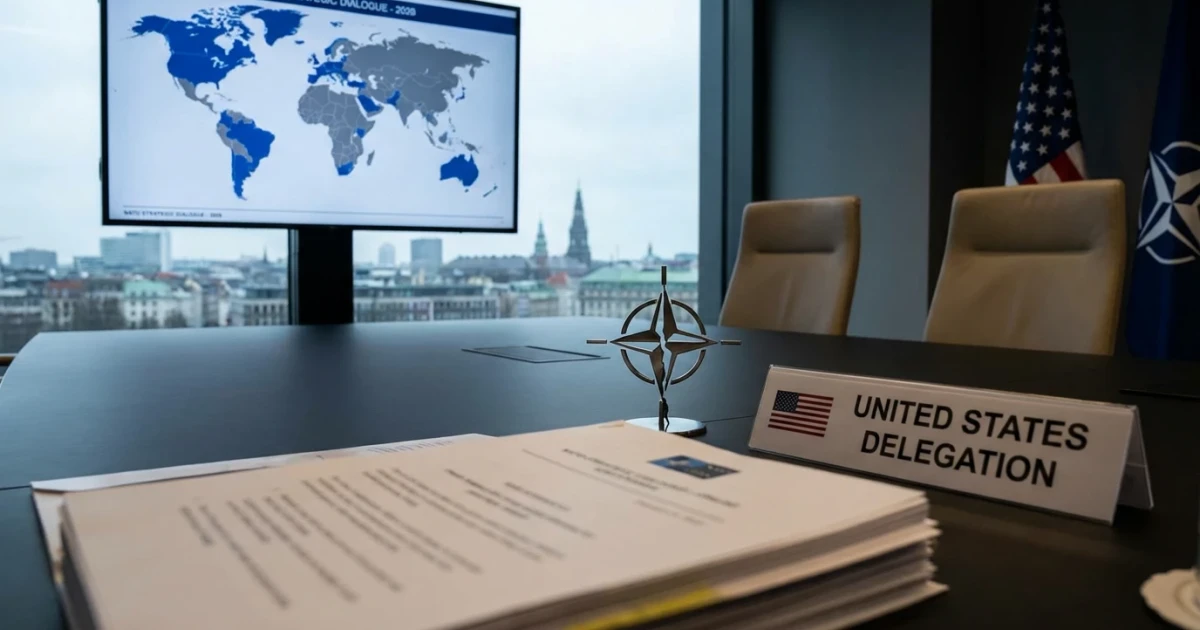
As renewed debate over the United States’ role in the North Atlantic Treaty Organization (NATO) captures headlines, analysts and policymakers are weighing the alliance’s significance for U.S. security and the potential costs of withdrawal. The conversation, highlighted by recent opinion pieces such as Time Magazine’s “Leaving NATO Would Be National Self-Sabotage,” has brought new scrutiny to America’s commitments under the Washington Treaty and the broader implications for global stability.
The Strategic Foundation of NATO
NATO, established in 1949, remains the world’s largest and most successful military alliance, built on collective defense principles articulated in Article 5. Under this provision, an attack on one member is considered an attack on all—a cornerstone of deterrence throughout the Cold War and beyond. As Time Magazine notes, the alliance has not only deterred aggression in Europe but also provided the U.S. with a network of secure bases, shared intelligence, and interoperability with allied militaries.
Costs and Burdensharing
One frequent point of contention is defense spending among NATO members. Critics have argued that European allies do not shoulder enough of the financial burden, while the U.S. accounts for a significant portion of the alliance’s military expenditures. According to the latest NATO defence expenditure data, the United States contributed roughly 68% of total alliance defense spending in 2023. However, European allies have steadily increased their investments since 2014, responding to calls for greater burden-sharing and the evolving security environment.
- U.S. share of NATO defense spending (2023): 68%
- Number of NATO members meeting 2% GDP target: 18 out of 32 (as of 2023)
- Growth in European & Canadian defense outlays: Up 11.1% from 2022 to 2023
Deterrence and Security Benefits
Advocates for maintaining U.S. membership emphasize NATO’s deterrent value, especially in light of recent security challenges on Europe’s eastern flank. The deployment of NATO’s Enhanced Forward Presence battlegroups in the Baltics and Poland is cited by research organizations such as RAND as a key factor in deterring potential aggression from adversaries. The alliance also facilitates joint training, logistics, and rapid crisis response—capabilities that would be costly and difficult to replicate unilaterally.
Time Magazine stresses that leaving NATO would forfeit these advantages and could undermine U.S. influence in transatlantic affairs, while diminishing the credibility of American commitments globally.
Potential Consequences of Withdrawal
Leaving NATO would not only raise questions about U.S. security guarantees to allies, but could also embolden adversaries and destabilize Europe’s security architecture. According to the Congressional Research Service, such a move might prompt European states to seek alternative security arrangements or expand their own nuclear deterrents, increasing the risk of arms races and strategic uncertainty.
Legislative efforts in the U.S. Congress, such as Senate Resolution 638, have reaffirmed bipartisan support for the alliance and the obligations enshrined in the North Atlantic Treaty. The U.S. State Department further lists NATO as a central pillar among America’s collective defense arrangements.
Analysis and Outlook
While debate over NATO expenditures and responsibilities continues, a broad consensus among military experts and allied leaders holds that the alliance remains indispensable for U.S. and European security. Calls for reform or greater European investment are likely to persist, but the strategic calculus overwhelmingly favors continued engagement. As highlighted in the Time Magazine editorial, withdrawal would constitute "national self-sabotage," depriving the U.S. of vital partnerships and weakening deterrence at a time of mounting geopolitical competition.
As the discussion unfolds, both public opinion and policy decisions in Washington will be closely watched by allies and adversaries alike, with far-reaching consequences for the transatlantic security order.