Business
Debate Intensifies Over Proposed New York Second-Home Tax
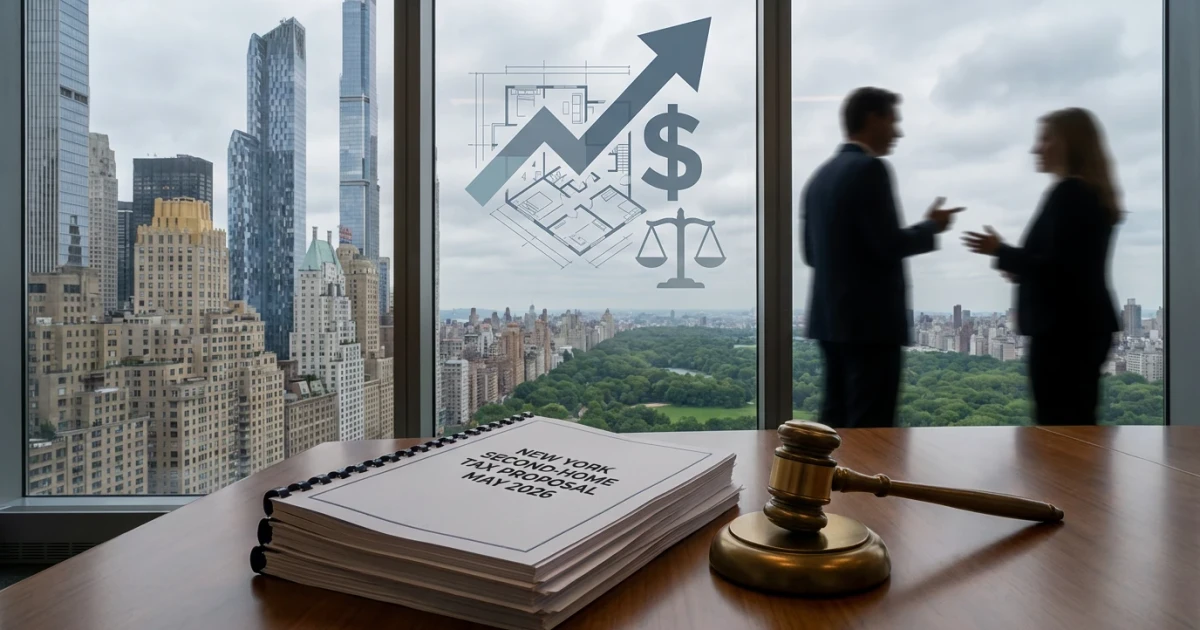
Zohran Mamdani’s proposal for a targeted second-home tax in New York City has ignited a fierce debate among the city’s wealthiest residents, with prominent figures and real estate experts voicing concerns about its potential impact on property values and city revenue. The legislation, which specifically aims at high-priced luxury apartments such as Ken Griffin’s $238 million penthouse, has prompted accusations of unfairness and sparked broader conversations about housing equity and fiscal policy.
Luxury Property Owners Push Back
The Financial Times reported that New York’s elite have reacted strongly to Mamdani’s plan, labeling it “shameful” and warning of unintended consequences. Wealthy homeowners and real estate professionals argue that the proposed tax unfairly targets individuals who already contribute significantly to city coffers through existing property taxes. They contend that penalizing second-home owners, especially those with high-value properties, could discourage investment and trigger a flight of capital from the city’s real estate market.
- Ken Griffin’s penthouse purchase — at $238 million — is emblematic of the ultra-luxury segment at the heart of the debate.
- New York’s property tax rates for luxury homes are already among the highest in the nation, as detailed in official city records.
- According to the Financial Times, critics claim the tax could be “punitive” and risk damaging the city’s reputation as a destination for global investors.
Policy Details and Rationale
Zohran Mamdani, a progressive member of the New York State Assembly, argues that the tax is necessary to address the growing disparity between luxury property ownership and widespread housing insecurity in the city. His plan would impose a special levy on second homes above a certain value threshold, with proceeds intended to fund affordable housing initiatives and social services.
- Supporters claim the tax could generate substantial revenue from properties that are often left vacant for much of the year.
- Analysis from the Manhattan Institute suggests that second homes constitute a significant share of Manhattan’s high-end real estate market.
- Official guidance from the New York State Department of Taxation and Finance outlines current tax treatment for second homes, which critics argue is insufficient given rising housing costs.
Arguments For and Against
The proposal has divided opinion:
- Opponents claim it will drive away investment and hurt property values, pointing to the New York City Home Price Index as a benchmark for potential market disruption.
- Supporters argue that taxing the city’s most expensive, often-unoccupied homes can help offset the social cost of housing inequality without burdening ordinary homeowners.
Broader Impact on Real Estate and City Finances
While the Financial Times highlights elite backlash, real estate analysts note that the luxury market is only a small fraction of the city’s overall housing stock. According to U.S. Census Bureau data, New York City has millions of housing units, with a minority classified as second homes for non-resident owners.
- The New York State Association of Realtors reports continued strong demand for luxury properties, though market volatility remains a risk.
- Concerns persist that the tax could disproportionately affect high-profile buyers such as Ken Griffin, whose firm’s financial disclosures can be explored in SEC filings.
Ultimately, the debate over Mamdani’s second-home tax underscores deeper tensions regarding housing affordability, fairness, and the role of wealth in urban policy.
Looking Ahead
As the proposal moves through legislative channels, its fate remains uncertain. The strong reaction from New York’s elite, as reported by the Financial Times, will likely influence both public discourse and political negotiation. Whether the tax is enacted or not, the conversation it has ignited about luxury real estate, social responsibility, and the city’s future is set to continue.