Politics
Debate Over Free Power to Telangana Farmers Intensifies
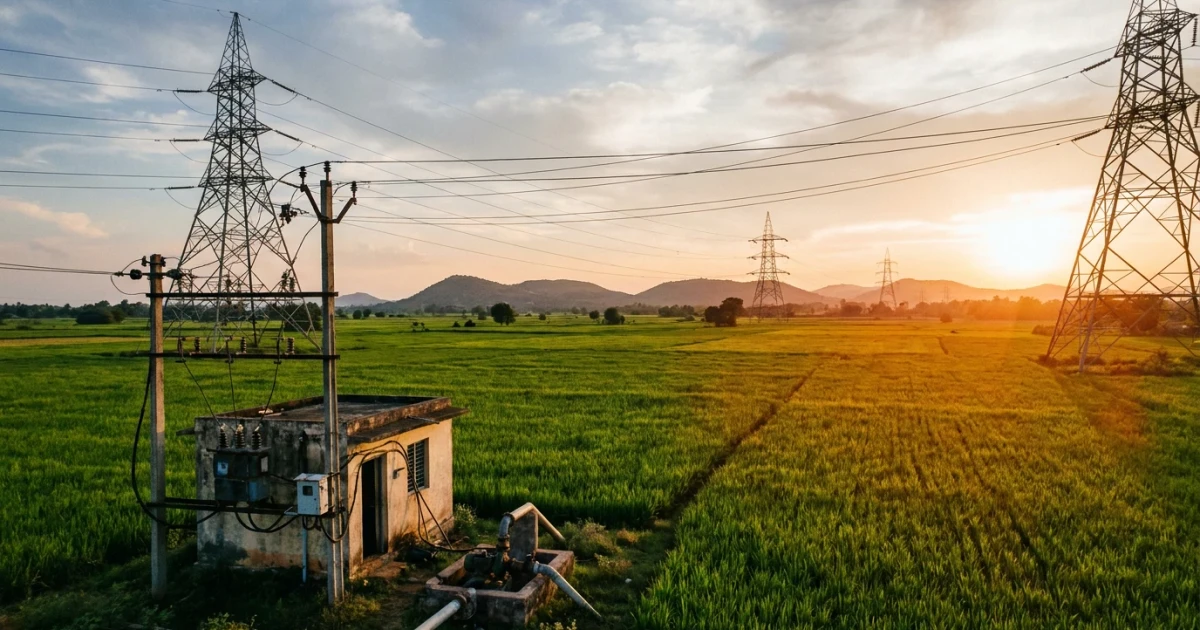
Telangana's political climate heated up this week as Chief Minister Revanth Reddy directly challenged the Bharat Rashtra Samithi (BRS) regarding the state's signature free power scheme for agriculture. The Congress-led government reaffirmed its commitment to the program, provoking pointed questions about BRS's future role in state politics.
Congress Reaffirms Support for Free Power
In a public statement covered by The Hindu, Chief Minister Revanth Reddy threw down the gauntlet, asking whether the BRS would "quit politics" if the Congress government continued to provide free electricity supply to agricultural consumers in Telangana. This challenge came amidst ongoing debates about the sustainability and impact of the scheme, which provides 24-hour free power to farmers across the state.
Background: The Free Power Scheme
Telangana’s free power policy is one of the most significant welfare initiatives in the state, directly benefitting over 2.3 million agricultural connections. It ensures farmers receive uninterrupted electricity for irrigation, a move credited with boosting agricultural productivity and supporting rural livelihoods.
- According to Telangana State Power Generation Corporation Limited data, the agriculture sector consumes a significant portion of the state's total power supply each year.
- The cost of the scheme is a major component of the state's annual agriculture budget, as detailed in PRS Legislative Research reports.
BRS Faces Pressure on Policy Legacy
The BRS, which held power in Telangana for nearly a decade, was the architect of the free power scheme. The party has consistently positioned itself as the champion of farmers’ rights, using the policy as a cornerstone of its political platform.
With Congress now firmly declaring its intention to continue the scheme, the BRS faces a dilemma over how to differentiate itself and address public skepticism about its criticisms of the current government’s agricultural policies.
Financial and Operational Implications
While the free power policy is broadly popular among farmers, it has drawn scrutiny from fiscal analysts and auditors over its long-term financial viability. The Comptroller and Auditor General’s audit reports have highlighted concerns regarding the growing subsidy burden on the state’s budget and potential inefficiencies in power distribution.
Nevertheless, data from the Ministry of Power indicates that Telangana has managed to maintain a stable power supply position, even as agricultural demand rises during peak seasons.
What’s at Stake for Farmers?
For the majority of Telangana’s rural population, the continuation of the free power scheme is more than a political talking point—it is a lifeline. Consistent and cost-free electricity for irrigation reduces input costs and helps farmers remain competitive. However, experts warn that sustained subsidies may crowd out other forms of support or investment in power infrastructure.
Looking Ahead
The challenge issued by Chief Minister Revanth Reddy signals an ongoing contest over which party can claim the strongest commitment to Telangana’s farmers. As Congress reasserts its support for the scheme and BRS weighs its response, the debate over free power is set to remain central to the state’s political and economic agenda.
With both public sentiment and fiscal realities in play, the coming months will test the ability of Telangana’s leaders to balance welfare commitments with long-term sustainability, keeping the needs of the agricultural sector—over 56% of the state’s workforce—at the forefront of policy decisions.