Science
Deep ocean may get food from leaking marine snow, study finds
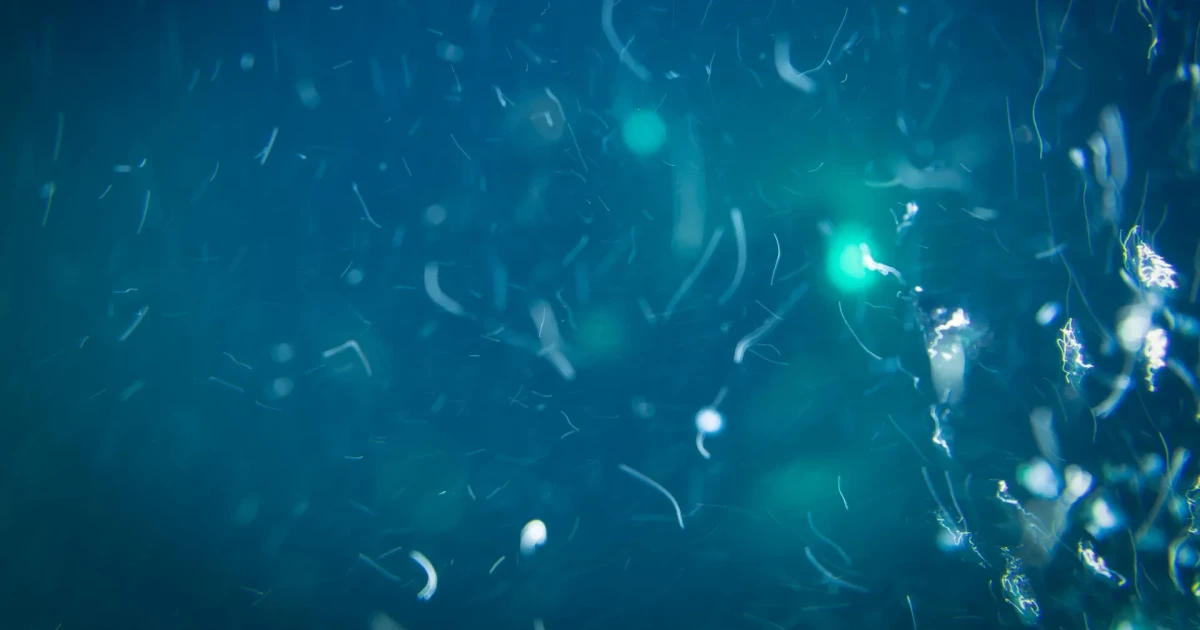
Pressure equivalent to 2 to 6 kilometers below the ocean surface made sinking marine snow leak dissolved carbon and nitrogen in a University of Southern Denmark study, turning a passive descent into a source of food for deep-sea microbes. The finding cuts against a long-held view that the deepest parts of the ocean survive mainly on the slow trickle of particles that make it all the way to the seabed.
The peer-reviewed paper, published in Science Advances in February 2026, was titled Hydrostatic pressure induces strong leakage of dissolved organic matter from "marine snow" particles. Its authors were Peter Stief, Jutta Niggemann, Margot Bligh, Hagen Buck-Wiese, Urban Wünsch, Michael Steinke, Jan Hendrik Hehemann and Ronnie N. Glud. Using rotating pressure tanks to mimic the deep ocean, the researchers found that diatom aggregates released dissolved organic matter under high pressure at depths of 2 to 6 kilometers, and that the leakage amounted to about 50% of the particles’ initial carbon content.
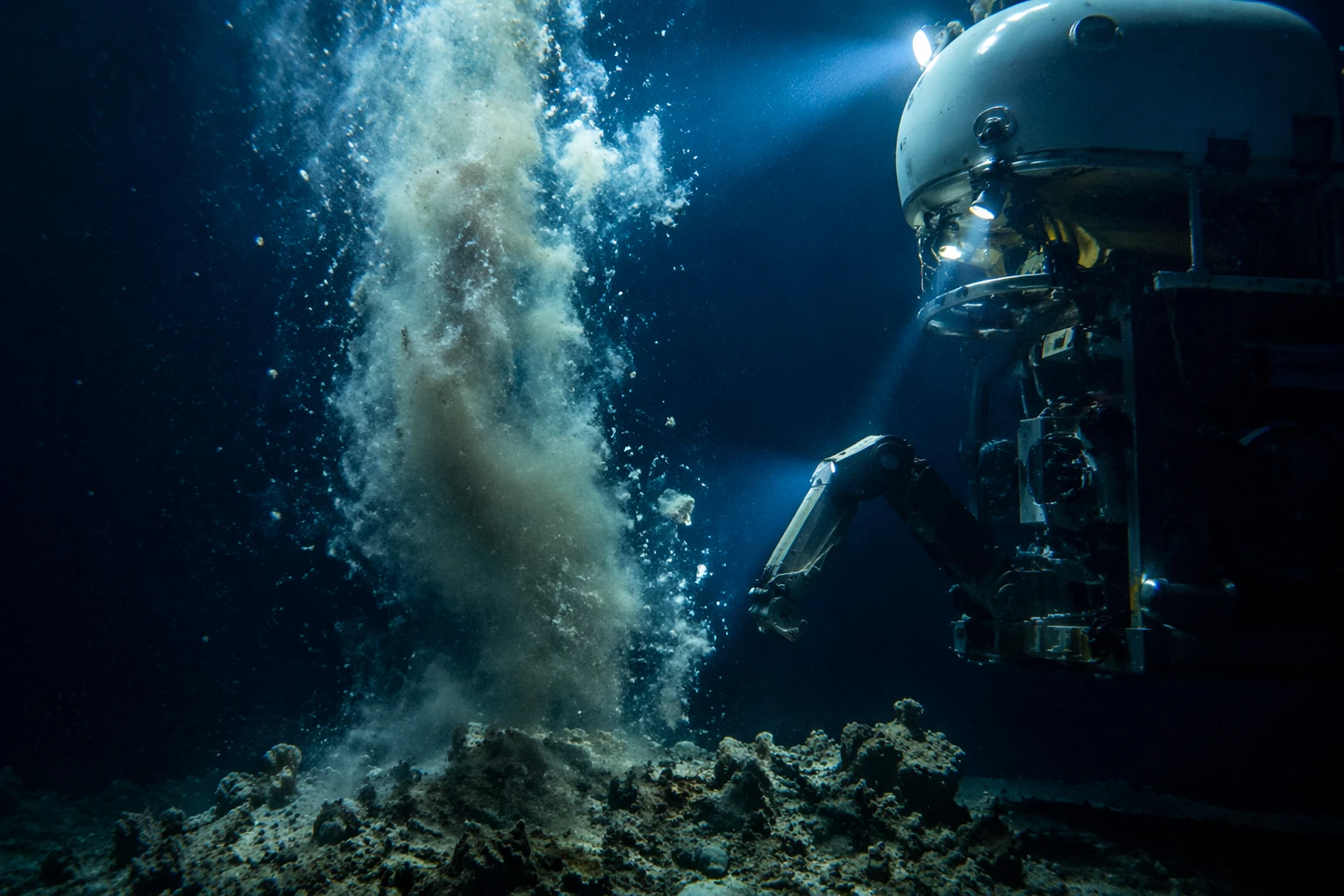
That leaked material did not just drift away. The study described it as labile and said a pelagic microbial community rapidly used it, showing that marine snow can feed life before it ever reaches the seafloor. The University of Southern Denmark and the University of Essex both framed the result as a challenge to the classic picture of the deep sea as a nutrient-poor environment, where food arrives only after a long and inefficient fall from the surface.
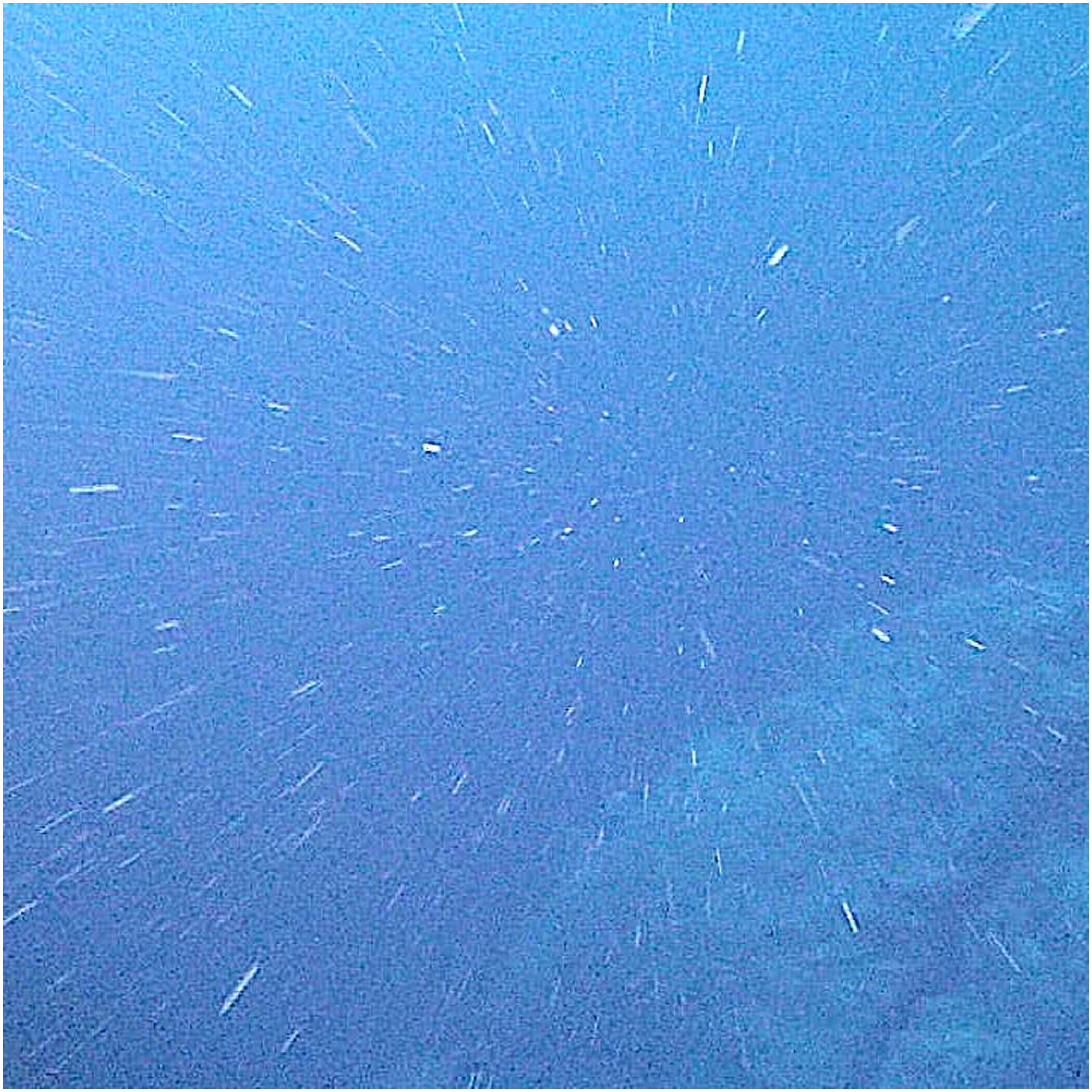
The implications extend beyond ocean ecology. If pressure-driven leakage releases carbon and nitrogen higher in the water column than scientists assumed, then the deep ocean’s role in the carbon cycle may be more dynamic than the old model allowed. The study said the leakage likely weakens the biological carbon pump, because less carbon makes it intact to the seabed for long-term burial. Instead, some dissolved carbon may remain in the deep water column for hundreds to thousands of years before cycling back toward the surface and, eventually, the atmosphere.
That matters for climate models as well as for the study of life in extreme environments. Carbon that is buried in sediment can stay locked away for millions of years and even become oil and gas over geological time. Carbon that stays dissolved in the deep ocean is on a much shorter clock, moving through microbial food webs rather than disappearing into the seabed. The new work suggests the chemistry of survival in the abyss is shaped not just by biology, but by pressure itself.
Sources
- [1]sciencedaily.com
- [2]science.org
- [3]portal.findresearcher.sdu.dk
- [4]essex.ac.uk
- [5]sdu.dk