World
Deep-sea expedition finds huge whale graveyard off Western Australia
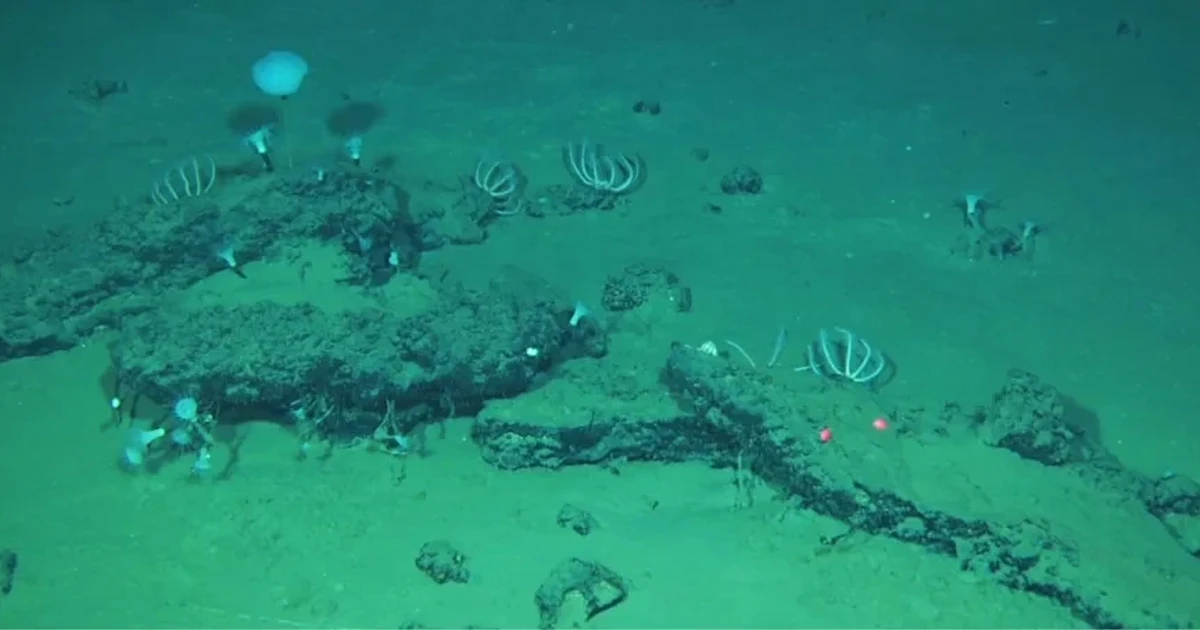
Scientists working in one of the ocean’s most remote trenches found a whale graveyard that may change what is known about deep-sea biodiversity and the carbon cycle on the seafloor. At depths reaching 7,002 metres in the Diamantina Fracture Zone off Western Australia, the team documented nearly 500 individual whale remains laid down over roughly the last five million years, along with a living ecosystem clustered around them.
The expedition, led by Peng Xiaotong, also identified a newly extinct beaked whale species among 43 fossil specimens dated from about 120,000 to 5.26 million years old. Using the crewed submersible HOV Fendouzhe during 32 dives in early 2023, the researchers surveyed a nearly 750-mile stretch of seafloor in the southeastern Indian Ocean and found the first fossil whales in the Dordrecht Deep, more than 1,100 kilometres south-west of Perth.
The density of the site was extraordinary. Researchers estimated as many as 760 whales per square kilometre, a concentration that helps explain why the area is being described as a whale necropolis and a deep-sea fossil megasite. Before this work, scientists had identified only about 50 whale falls across the world’s oceans since 1977, a reminder of how little of the deep sea has been sampled in such detail.
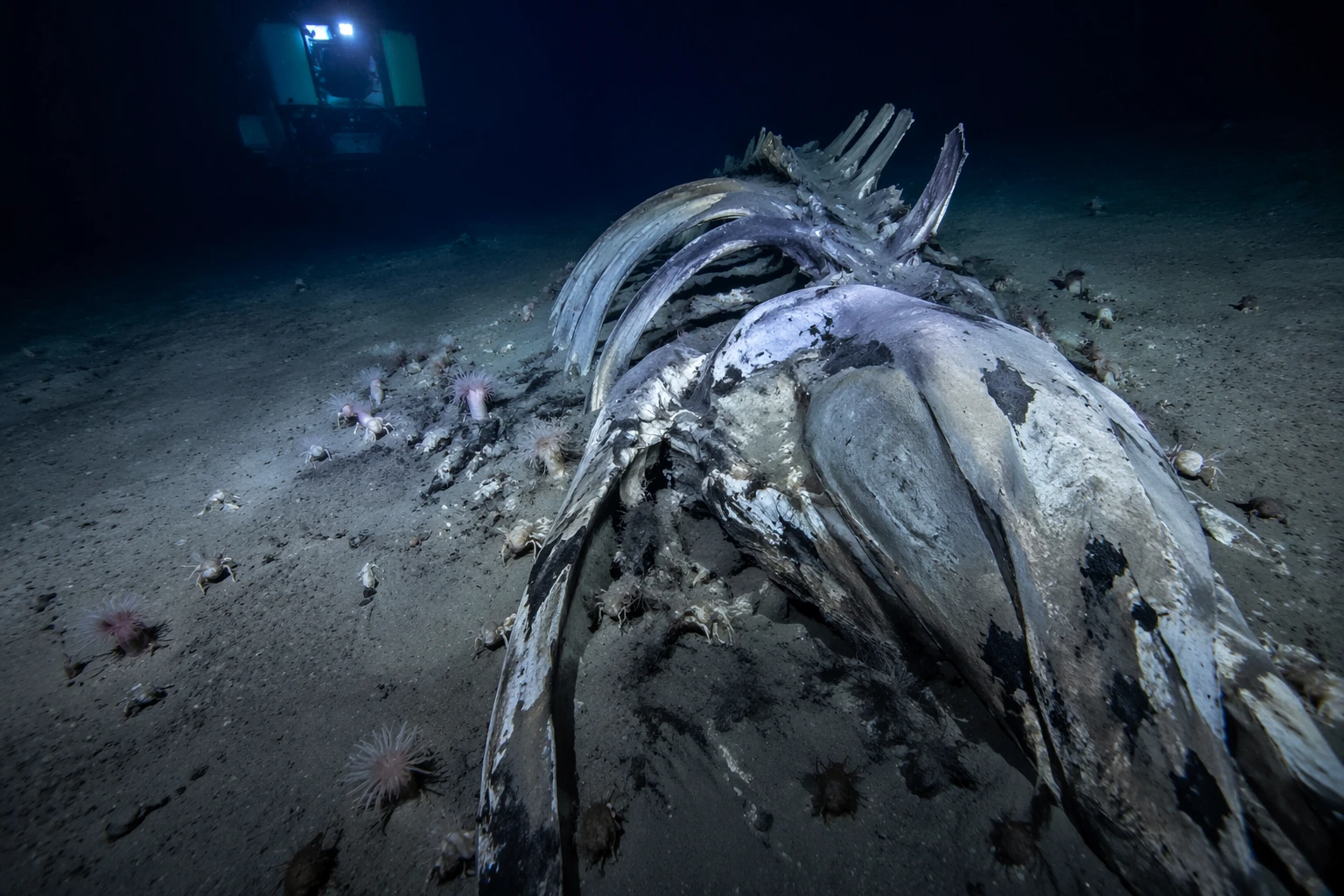
The carcasses were not just ancient bone beds. Around the remains, the team found bone-eating worms, brittle stars, stalked sea anemones, sponges and sea stars, all part of the hidden food web that whale falls create when a massive body settles on the seabed. Some of those animals are believed to be new to science, underscoring how these underwater carrion sites can act as refuges for rare life in one of Earth’s most extreme environments.
That combination of fossils, living animals and extraordinary depth gives researchers a rare archive of whale evolution and deep-sea ecology. The site preserves a long record of how whales reached the ocean floor, how their nutrients fed communities far from sunlight, and how deep-sea ecosystems have persisted across millions of years.