World
Deep-sea mining threatens more than half of vent mollusks, IUCN says
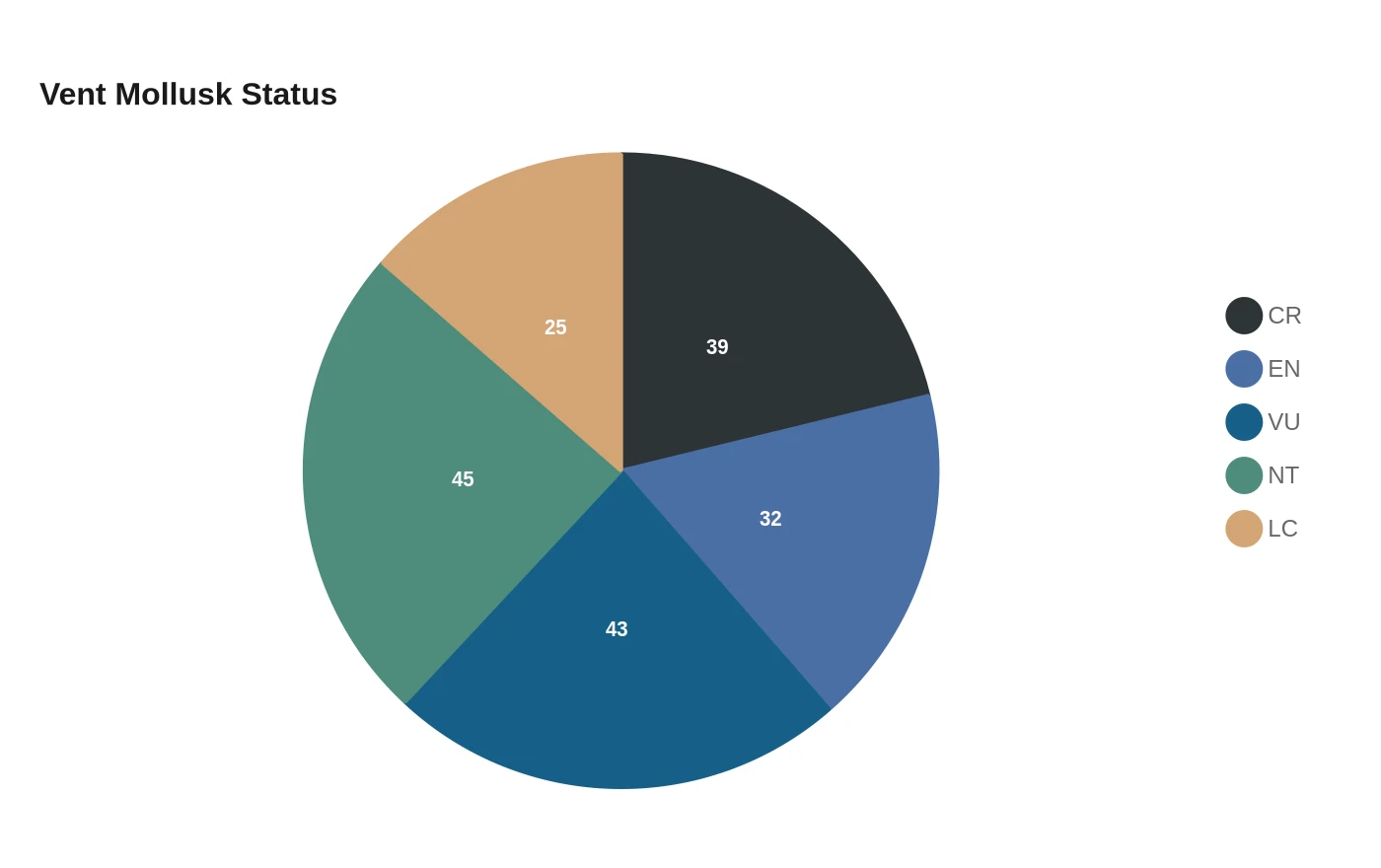
More than half of the mollusks known only from hydrothermal vents are already threatened, placing some of the ocean’s most specialized life forms in the path of deep-sea mining. A 2021 global assessment through the IUCN Red List framework found that 62% of the 184 described vent-endemic mollusc species were at risk, including 39 listed as Critically Endangered, 32 as Endangered and 43 as Vulnerable.
The assessment drew a stark line between species shielded by local conservation measures and those exposed to mining pressure. It found 25 species that were fully protected from deep-sea mining were classified as Least Concern, while another 45 were listed as Near Threatened because some of their subpopulations face mining threats and others sit inside protected areas. The danger is concentrated at hydrothermal vents targeted for polymetallic sulfides, one of the main mineral resources now under discussion in deep-sea mining negotiations.
The IUCN has kept its policy position aligned with a moratorium on deep seabed mining until the conditions in Resolution 7.122 are met. Members adopted that resolution at the 2021 IUCN Congress in Marseille, France, and the issue has remained central as the International Seabed Authority in Kingston, Jamaica, continues work on mining rules. At the ISA’s July 2025 meeting, several states backed a moratorium or a precautionary pause, underscoring how far the global debate remains from any broad consensus.
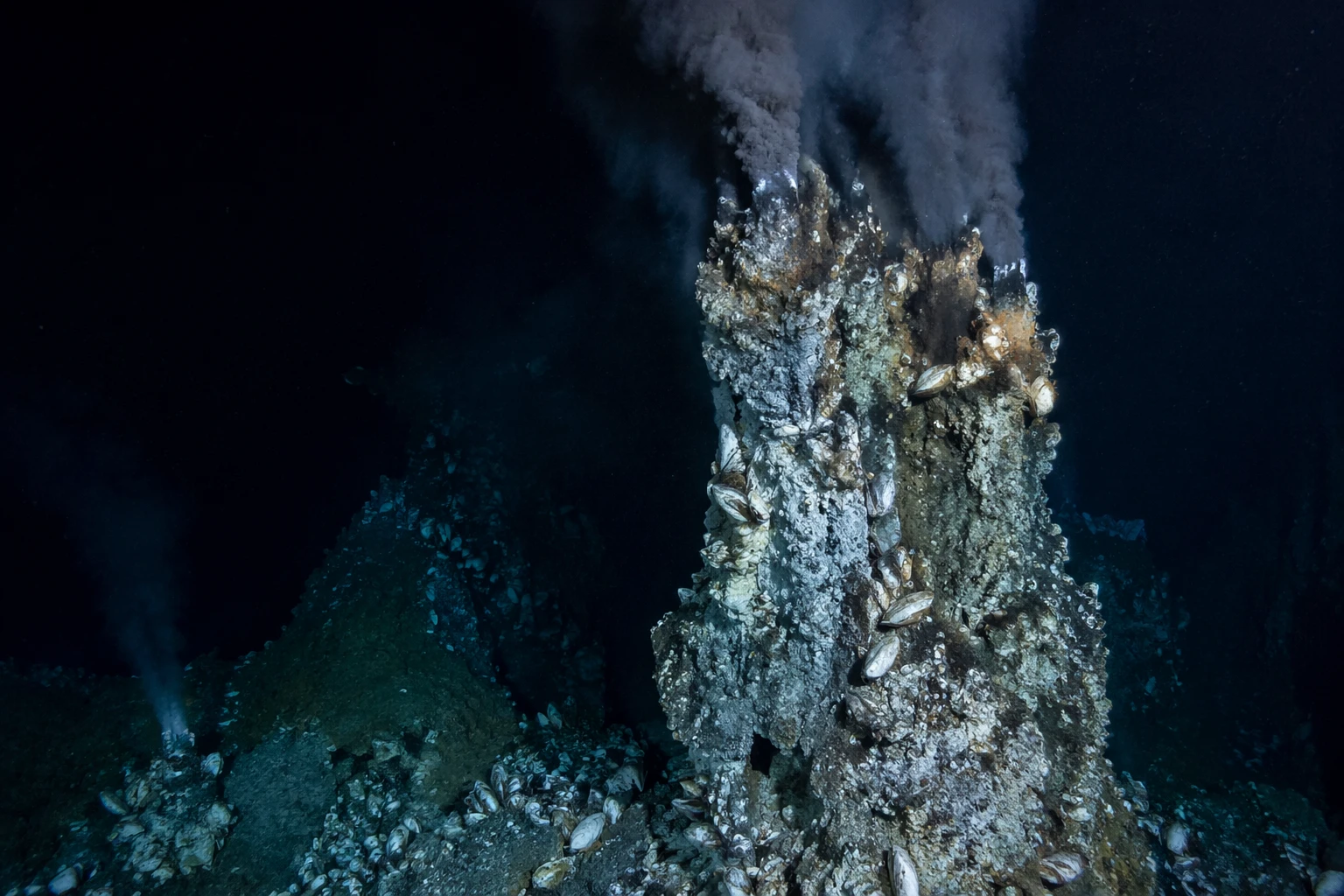
A key warning sign came in 2019, when the Scaly-foot Snail, Chrysomallon squamiferum, became the first animal endemic to a deep-sea hydrothermal vent to be listed as Endangered specifically because of deep-sea mining risk. The species lives only at a few vent fields in the Indian Ocean at depths of about 1.7 to 2.8 kilometers. Scientists have long described hydrothermal vents as biodiversity hotspots, with species density comparable to tropical rainforests or coral reefs.
That combination of narrow ranges, extreme specialization and mineral interest leaves little margin for error. Vent communities can be wiped out if a site is mined, and the IUCN assessment shows the toll could reach far beyond a handful of isolated species. As the ISA weighs rules and industry presses the case for minerals tied to the energy transition, the biological baseline for many vent ecosystems remains thin, while the risk to their mollusks is already measured in percentages that leave little room for recovery.
Sources
- [1]nytimes.com
- [2]iucnredlist.org
- [3]frontiersin.org
- [4]iucn.org
- [5]isa.org.jm
- [6]jamstec.go.jp
- [7]nature.com
- [8]qub.ac.uk
- [9]enb.iisd.org