Technology
Deep-Tech Startups in India Push for Lasting Support
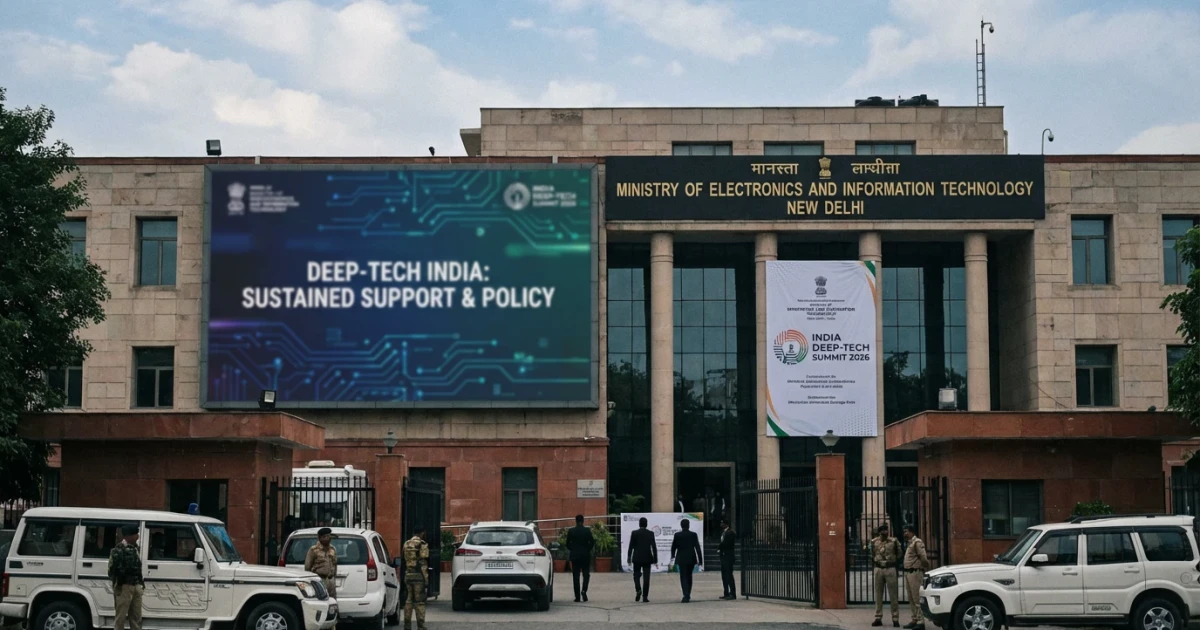
India's deep-tech startup sector is voicing a clear message: while high-profile summits and events help raise awareness, lasting growth demands consistent policy, funding, and infrastructure support. As the government and industry leaders focus on fostering innovation, deep-tech entrepreneurs emphasize that their unique challenges require more than headline gatherings to create a thriving ecosystem.
Summits Spark Interest, But Gaps Remain
Recent years have seen a surge in national and state-level summits spotlighting deep-tech innovation, from artificial intelligence to quantum computing. While these events amplify India's ambitions and showcase emerging talent, many founders argue that the impact of one-off conferences is limited without systemic change.
According to The New Indian Express, deep-tech startups face hurdles distinct from traditional tech ventures, including longer product development cycles, larger capital requirements, and the need for specialized talent. As a result, industry voices are calling for concrete policy measures and funding mechanisms tailored to the deep-tech sector's realities.
Funding Remains a Key Challenge
Data from the Startup India Annual Report 2022 shows that while overall startup funding has grown, deep-tech ventures receive a disproportionately small share of investment compared to other sectors. This trend is confirmed by the NASSCOM Deeptech Startup Landscape Report 2023, which notes that only 11% of Indian deep-tech startups have raised late-stage funding, with most investments focused on early-stage rounds.
- Deep-tech startups typically require 5-7 years to bring products to market, compared to 2-3 years for SaaS or e-commerce ventures.
- Funding in the deep-tech sector accounts for less than 10% of total Indian startup funding as per recent industry reports.
- Private and public grants, such as those offered through the Startup India Deeptech Program, play a crucial role but often lack scale for widespread impact.
Calls for Policy and Ecosystem Improvements
Industry leaders and entrepreneurs are advocating for dedicated deep-tech funds, R&D tax incentives, and partnerships with academic institutions to nurture talent pipelines. The Startup India Action Plan includes several provisions for innovation-driven enterprises, but founders contend that execution and accessibility must improve, especially for ventures outside major cities.
The NITI Aayog Deep Tech Report 2022 recommends expanding pilot programs, simplifying regulatory compliance, and increasing government procurement from deep-tech startups. These measures, experts say, would help bridge the gap between research and commercialization, a critical hurdle for advanced technology ventures.
Looking Beyond Events for Sustainable Growth
While summits remain valuable for networking and visibility, deep-tech leaders stress that the ecosystem's success hinges on sustained, multi-year support. This includes patient capital, translational research centers, and robust collaborations between industry, academia, and government agencies.
As India aims to position itself as a global innovation hub, entrepreneurs say the focus must shift from event-driven momentum to long-term strategy, infrastructure, and policy execution. Only with these commitments, deep-tech founders argue, will India unlock the full potential of its scientific and engineering talent for global impact.