Technology
DeepSeek develops AI chip to cut reliance on Nvidia and Huawei
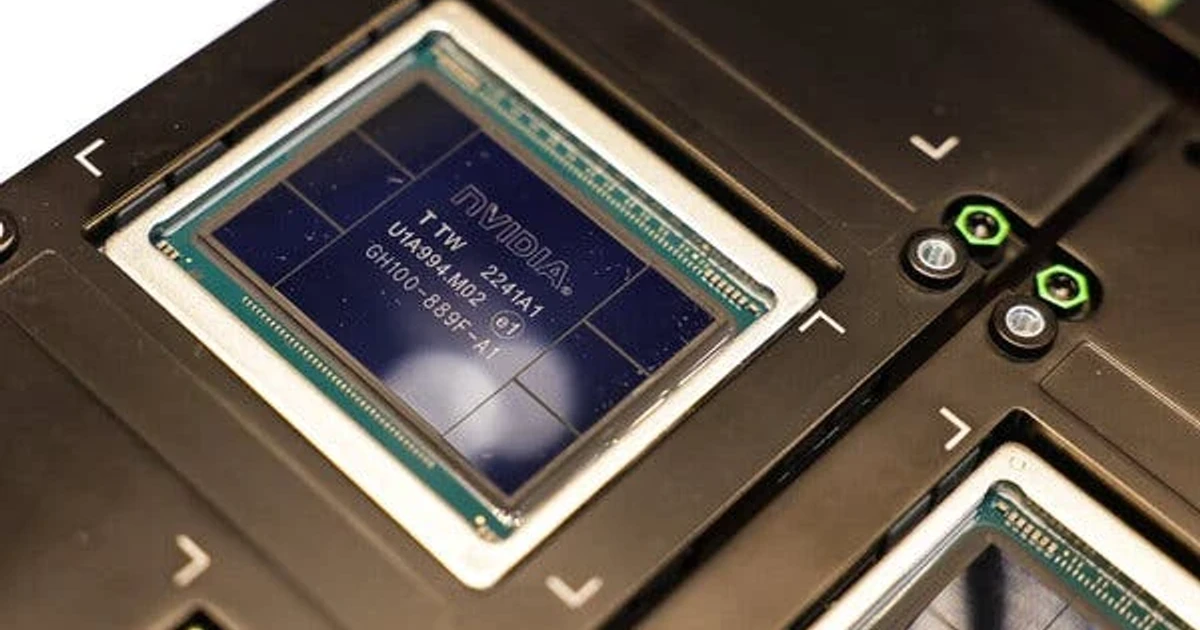
DeepSeek is developing its own AI chip for inference, a move that could give the Chinese startup more control over how its models are deployed and reduce its dependence on Nvidia and Huawei hardware. Three people familiar with the effort said the chip is still under development, and the company has not publicly announced a launch date.
The push marks a strategic shift for DeepSeek, which was founded in 2023 by Liang Wenfeng in Hangzhou, Zhejiang, and rose to global prominence after releasing efficient models that spread quickly through the AI industry. Its R1 reasoning model came out on January 20, 2025, and its earlier V3 model, launched on January 10, 2025, was trained on Nvidia H800 chips at a cost of less than $6 million. By January 27, 2025, DeepSeek’s iPhone app had overtaken OpenAI’s ChatGPT as the most-downloaded free app in Apple’s U.S. App Store.
The distinction between inference and training is central to the hardware story. Training requires the largest and most expensive computing runs, while inference powers a model after it has already been built, generating answers for users. A DeepSeek inference chip would not replace all of the company’s chip needs, but it would give the firm another layer of independence in a part of the market that is becoming more important as AI usage scales.
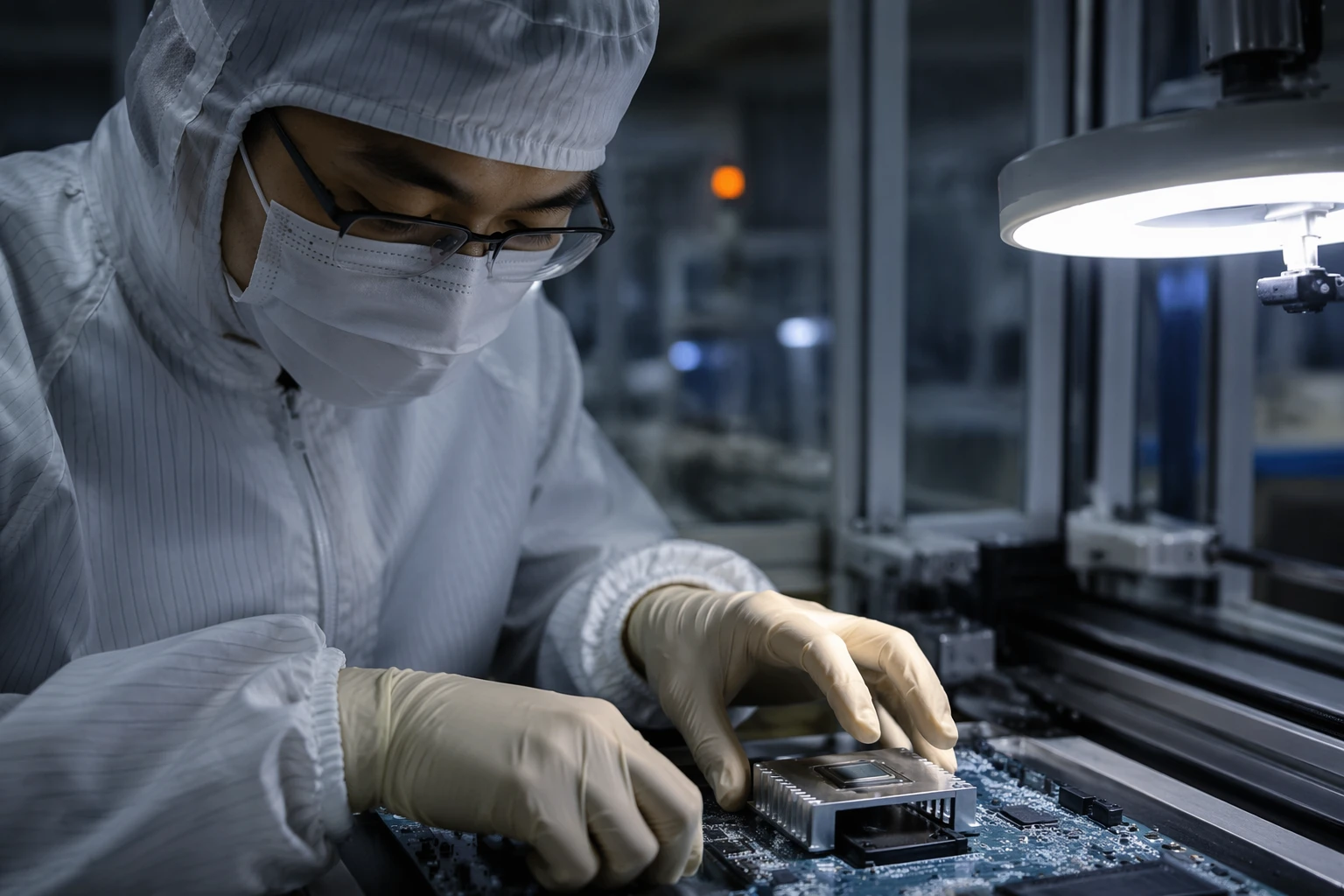
DeepSeek’s rise already rattled the global chip market. On January 27, 2025, Nvidia lost $593 billion in market value in a single session during a DeepSeek-driven selloff, a sign of how quickly investors grasped the implications of more efficient Chinese AI systems. Policy analysts later said DeepSeek’s success exposed the limits of export controls in slowing Chinese AI progress, and the Center for Strategic and International Studies said in March 2025 that the company’s ascent forced a reassessment of U.S.-China AI competition and semiconductor policy.
For China, a homegrown inference chip would fit a broader effort to build a more self-reliant AI stack, from models to data centers to the processors that run them. It would also deepen competition inside China, where Huawei has become a central player in chip ambitions. For Nvidia and other foreign suppliers, DeepSeek’s move would add another signal that Chinese AI firms are trying to insulate themselves from supply vulnerability and geopolitical pressure, even as the commercial outcome of the effort remains uncertain.
Sources
- [1]ca.finance.yahoo.com
- [2]finance.yahoo.com
- [3]investing.com
- [4]jstor.org
- [5]csis.org
- [6]nature.com