Politics
Defence plan leaves next PM facing £4.7bn bill and funding gap
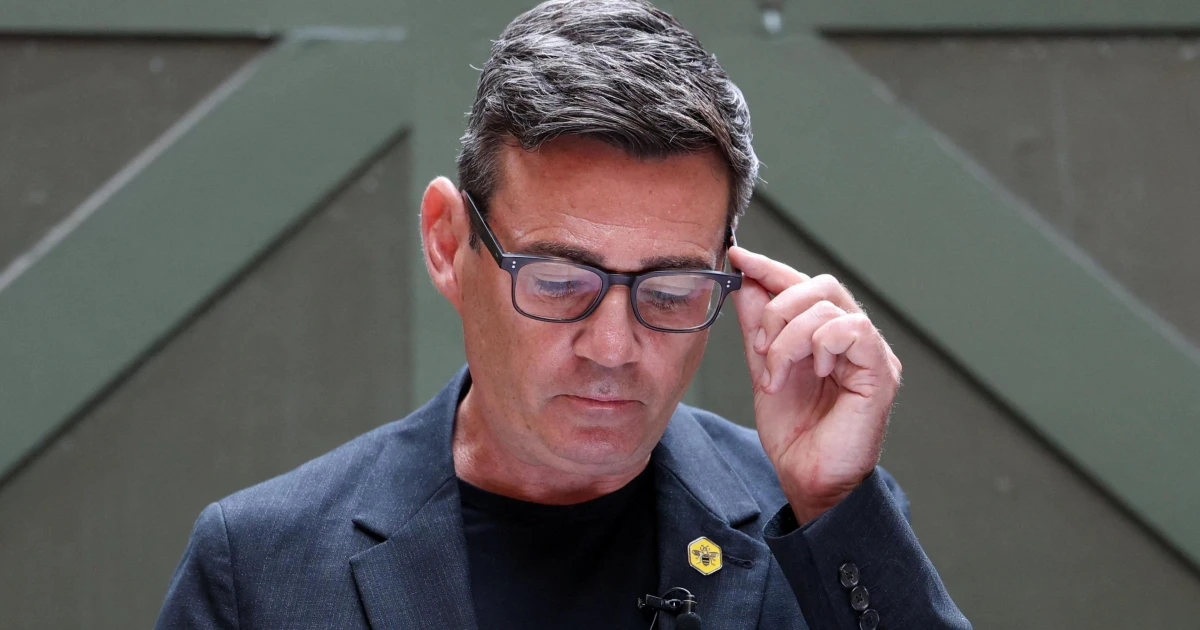
On 30 June 2026, the government published its long-delayed Defence Investment Plan, backing it with £298 billion over the next four years and a pledge to lift core NATO defence spending to 2.7% of GDP from 2027-28. But the plan also leaves the next prime minister with a sharp financial test: Andy Burnham would inherit a £4.7 billion bill to deliver it, before facing another push to raise defence spending again before the next general election.
Its foreword said 47 of the 49 major defence projects were delayed or over budget. Ministers have cast the plan as a reset after years of underinvestment and overcommitment, and as a step toward warfighting readiness, stronger homeland defence and more support for British jobs and businesses.
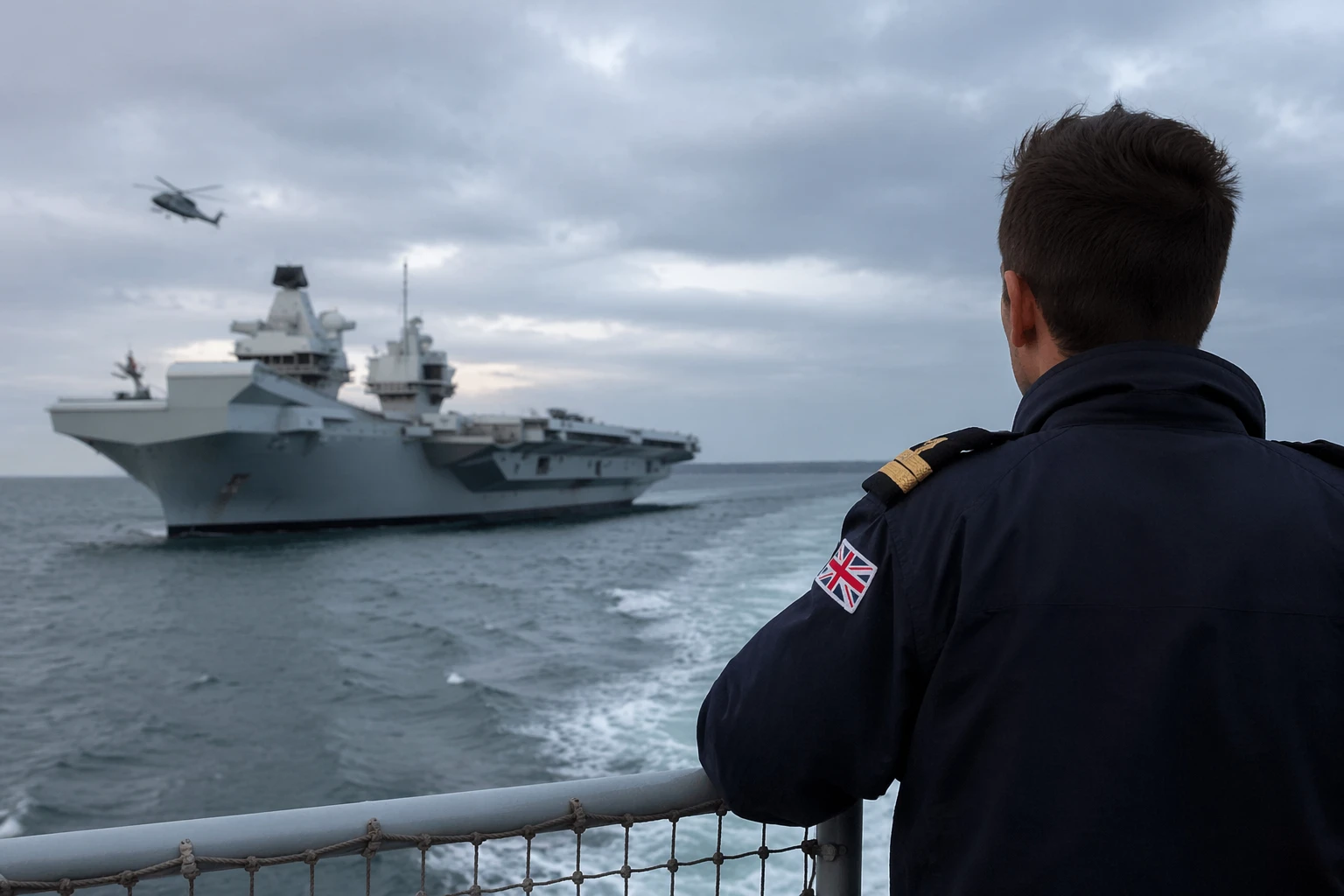
The package includes an additional £15 billion for 2026-27 to 2029-30, leaving spending more than £60 billion higher over the next four years than it would have been under spring Budget 2024 plans. The money is meant to modernise capability across nuclear, digital, artificial intelligence, maritime, land, air, space, cyber and electromagnetic systems, as well as weapons and munitions, special forces, intelligence, support and medical services.
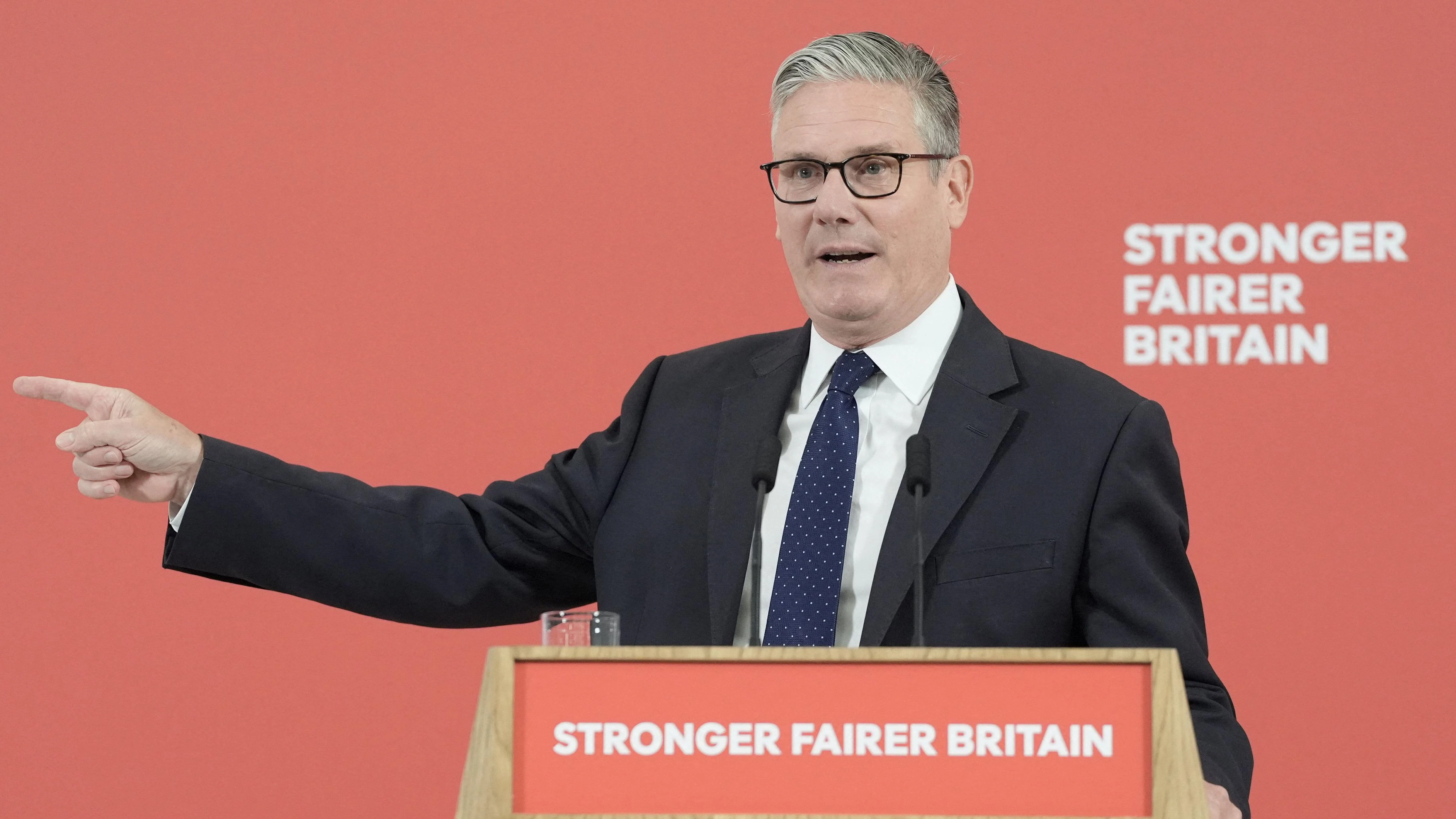
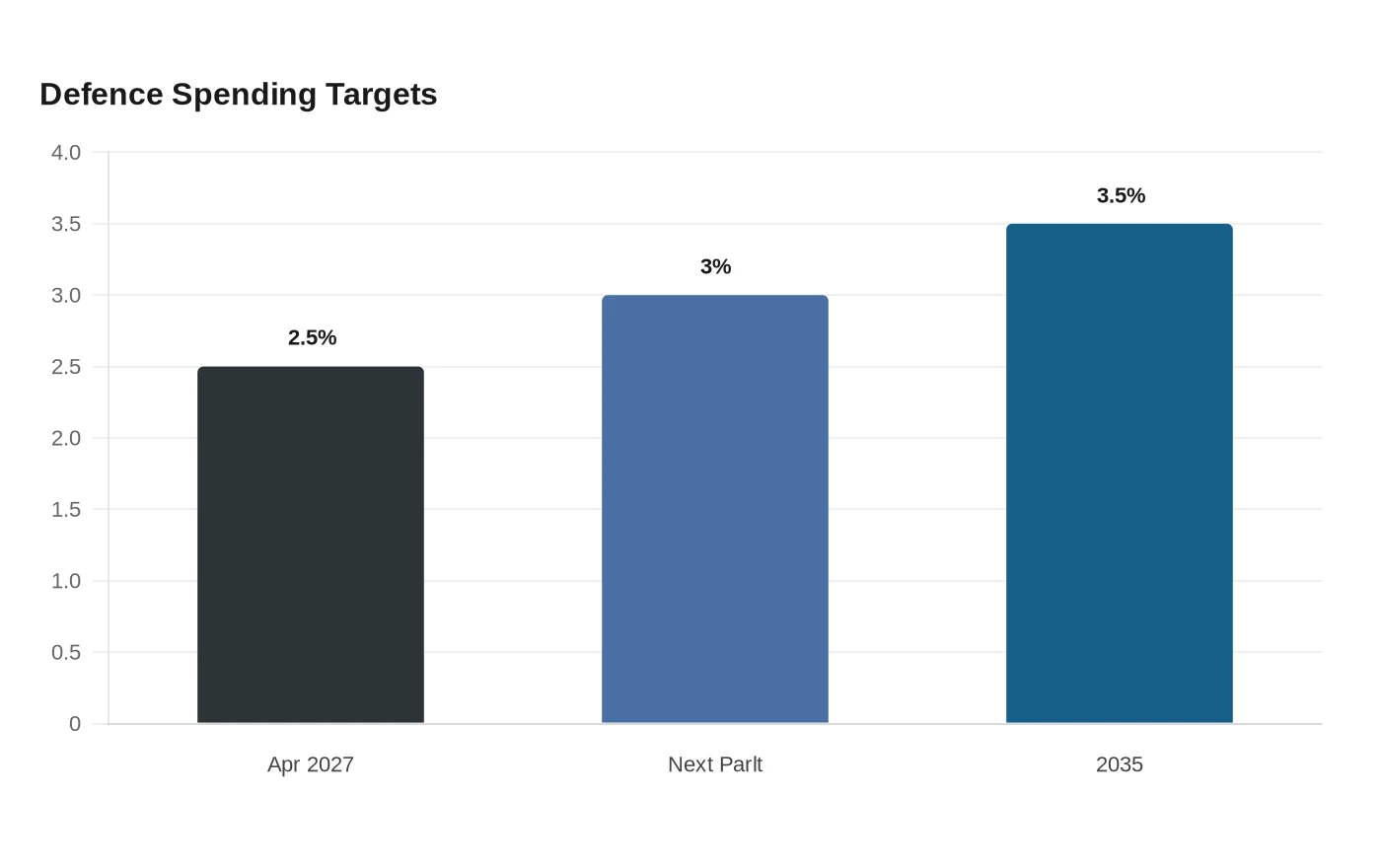
The plan sits inside a wider political promise to raise defence spending to 2.5% of GDP from April 2027, then to 3% in the next Parliament and 3.5% by 2035 alongside NATO allies. Serving minister Hamish Falconer publicly complained about uncertainty around the A46 Newark bypass road-widening project near his Lincoln constituency.
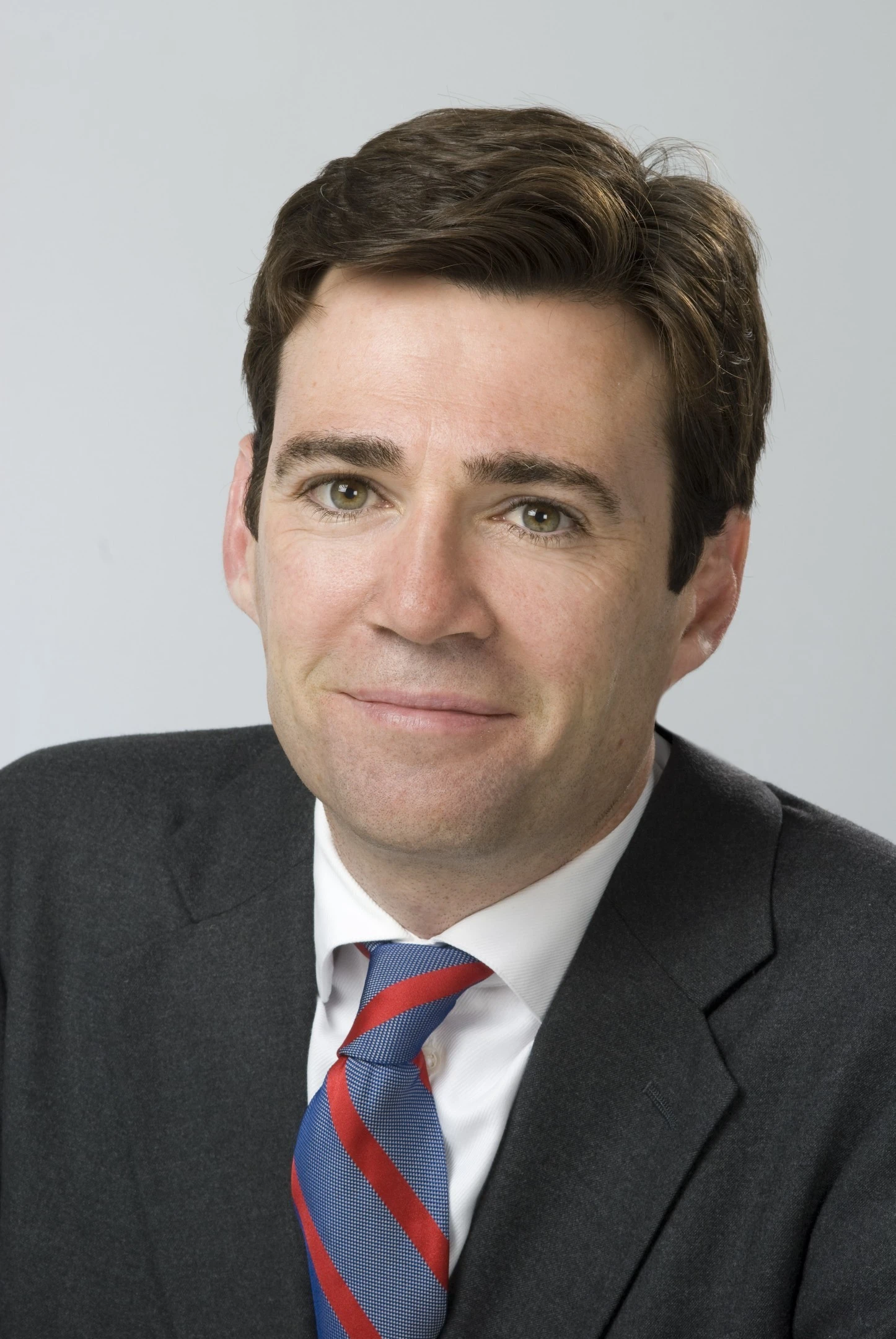
Keir Starmer wanted the plan published before the July 7-8 NATO summit in Ankara, while Andy Burnham’s camp wanted to delay it so he could claim ownership if he becomes prime minister. Simon Case questioned whether an outgoing prime minister could credibly secure agreement on such a politically sensitive plan.
The Public Accounts Committee said the delay was hindering modernisation of the armed forces, undermining relations with the defence industry and hitting smaller innovative companies hardest. John Healey resigned earlier in June and warned the plan would make the country less safe, while the government defended it as a major increase in defence investment.