Technology
Defense startups tap cars and fracking to speed weapons production
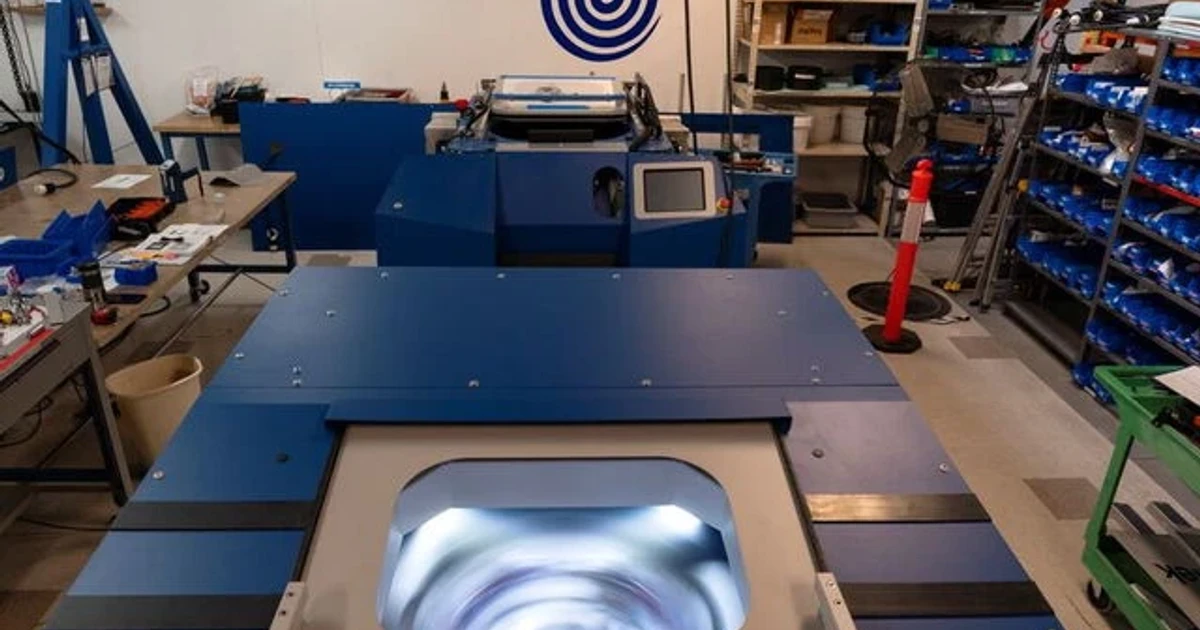
Defense technology startups are turning to automotive chips, pipes used in fracking and drugmaker mixing methods to build weapons faster and at lower cost for the Pentagon. The scramble reflects a supply chain under stress after the United States used more than 50,000 rockets, missiles and other projectiles powered by rocket motors since Russia invaded Ukraine in 2022.
Ten industry executives, experts and U.S. officials described a market opening for Silicon Valley-style companies that see munitions as a manufacturing problem as much as a defense one. Their pitch is speed and volume: borrow standardized parts and industrial techniques from other sectors, shorten production cycles and cut the price of rocket motors and other critical hardware that the traditional defense base has struggled to scale.
That pressure is especially visible in rocket-motor production. In October 2024, L3Harris Technologies said its Aerojet Rocketdyne unit had doubled monthly output of GMLRS rocket motors. The company also increased capital spending for the unit by 84% after buying Aerojet, and said the business worked with more than 70 sub-tier suppliers in Alabama and more than 300 suppliers overall. Reuters also reported in 2024 that Aerojet produced about half of all the rocket motors propelling U.S. military missiles, rockets and other projectiles, making it one of the most sensitive nodes in the supply chain.
The broader policy backdrop is Ukraine replenishment. The U.S. Government Accountability Office said the Defense Department used $25.9 billion in supplemental funding to replace weapons sent from U.S. stockpiles, with ammunition, missiles and combat vehicles making up most of the spending. More than 70% of that money had been obligated as of December 31, 2023, underscoring how fast wartime drawdowns turned into industrial demands.
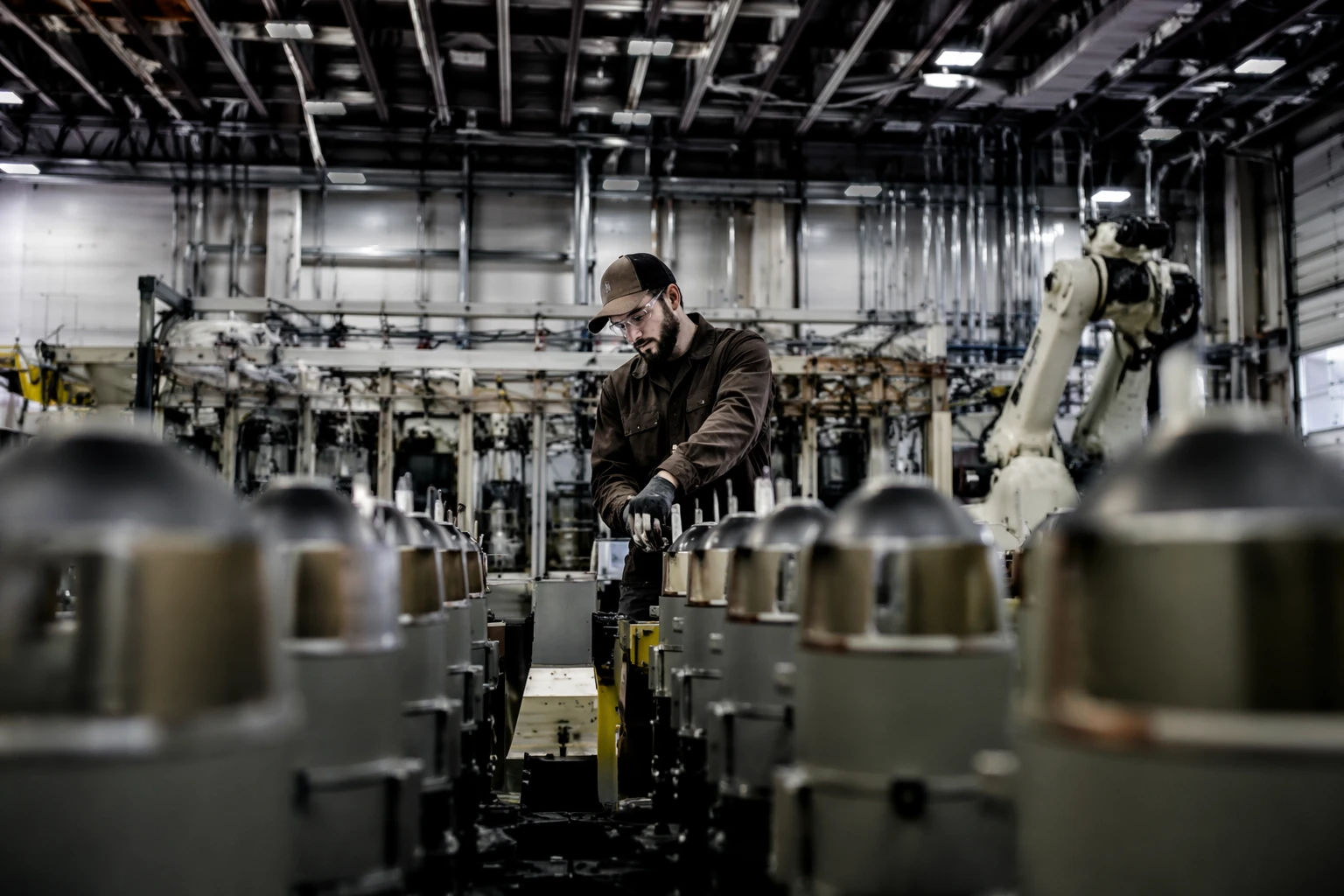
A Pentagon fact sheet issued in January 2025 said the United States had committed more than $66.5 billion in security assistance to Ukraine since the start of the Biden administration, including about $65.9 billion since Russia’s full-scale invasion on February 24, 2022. That scale of aid has exposed how long it takes legacy contractors to replenish inventories, and why startups are being pulled into a market once dominated by a small circle of prime contractors.
The Pentagon’s 2025 acquisition and supply-chain strategy pushed in the same direction, calling for more direct-to-supplier relationships and a sharper focus on supply-chain fragility. That approach gives startups more room to compete, but it also raises the central question hanging over the sector: whether this cross-industry improvisation is a durable retooling of America’s defense industrial base, or a temporary fix for bottlenecks that still leave Washington short of the volume modern conflict demands.
Sources
- [1]usnews.com
- [2]ca.finance.yahoo.com
- [3]gao.gov
- [4]media.defense.gov