Business
Delaware judge says public benefit companies can weigh mission in sale terms

A Delaware judge ruled that public benefit corporations do not have to squeeze the highest possible price out of a sale, giving boards of mission-driven companies new room to weigh purpose alongside dollars in takeover talks. The July 29 decision also drew a sharper line between ordinary Delaware corporations and public benefit corporations by holding that Revlon duties do not apply to PBC directors.
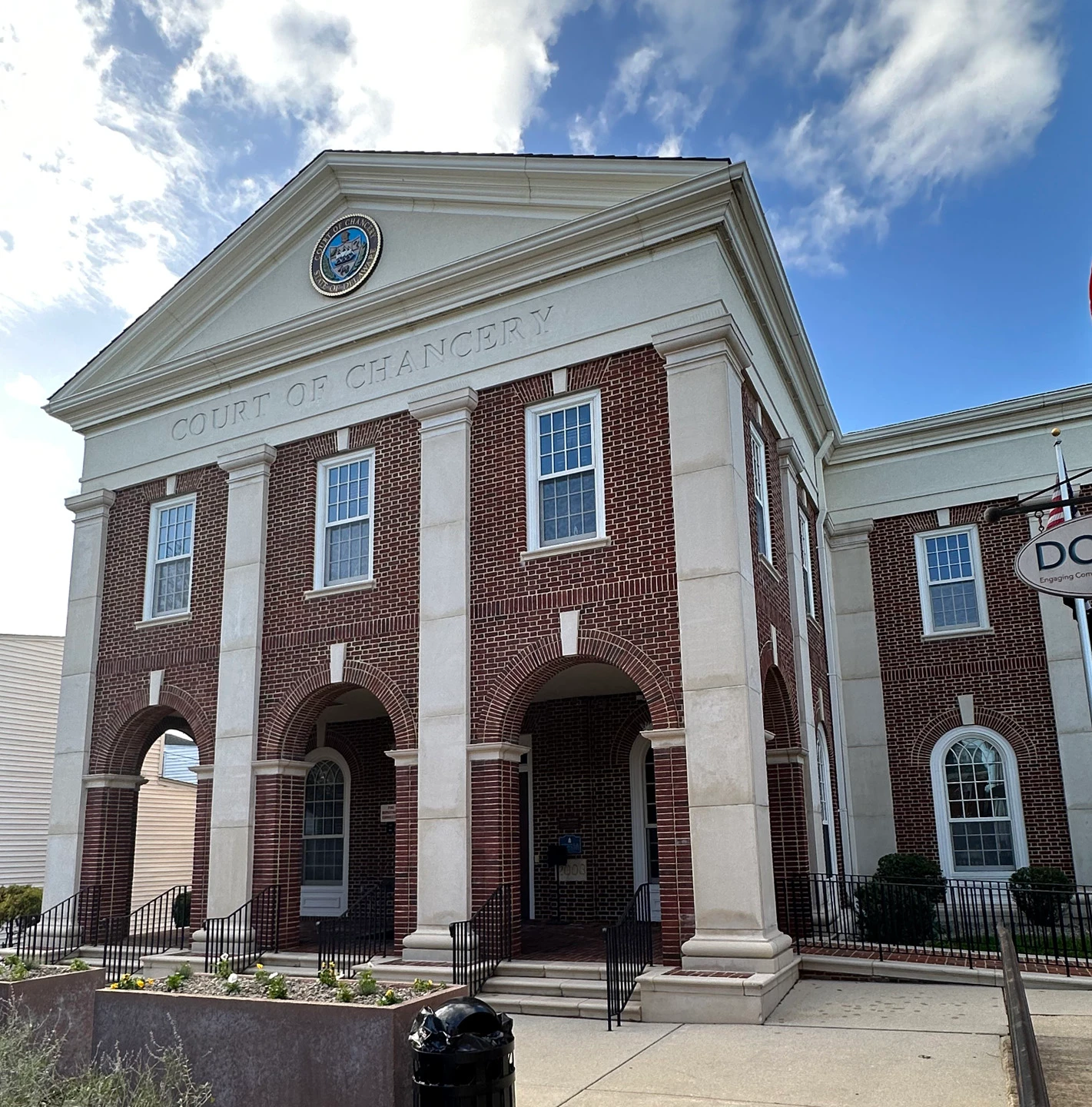
The ruling matters because Delaware’s Court of Chancery remains the forum that shapes much of America’s merger-and-acquisition playbook. Many of the country’s biggest corporations are incorporated in Delaware, so a Chancery opinion on sale-process duties can influence how boards, investors and lawyers approach deals far beyond Wilmington.

Public benefit corporations were created in Delaware in 2013 so for-profit companies could pursue an environmental, social or community mission without being locked into pure share-price maximization. A 2014 Harvard Law review of the new statute noted the enthusiastic initial response and flagged merger issues such as appraisal rights. Delaware later removed statutory barriers in 2021, and Richards, Layton & Finger said that change could lead to a new wave of public benefit corporations.
The structure is no longer a niche experiment. A 2021 guidebook on PBC governance said the model had spread to a majority of U.S. states and more than 3,000 corporations. Trellis Group said in 2022 that there were 19 publicly traded PBCs and hundreds of private companies using the form. That growth makes the Chancery ruling more consequential for future deals, especially as more companies build their brand around social purpose.

For founders and impact investors, the decision strengthens the argument that a chartered mission can matter in sale negotiations, even when a higher bid is on the table. For some stockholders and activists, it raises the opposite concern: that PBC status could be used to defend lower-priced deals by invoking mission continuity. Minority shareholders may still press hard if a process looks conflicted or unfair, but the board’s legal cover is stronger when it can point to the company’s public benefit and long-term strategy.
The broader effect is to reinforce Delaware’s habit of tailoring fiduciary rules to different corporate forms rather than applying one sale standard across the board. In a state that still defines much of modern corporate governance, that distinction gives public benefit companies more leverage now and could shape how mission-driven businesses negotiate acquisitions for years to come.
Sources
- [1]reuters.com
- [2]rlf.com
- [3]journals.law.harvard.edu
- [4]clinical.aals.org
- [5]youtube.com