World
Delhi streets hit 64C on thermal camera as heat wave bites
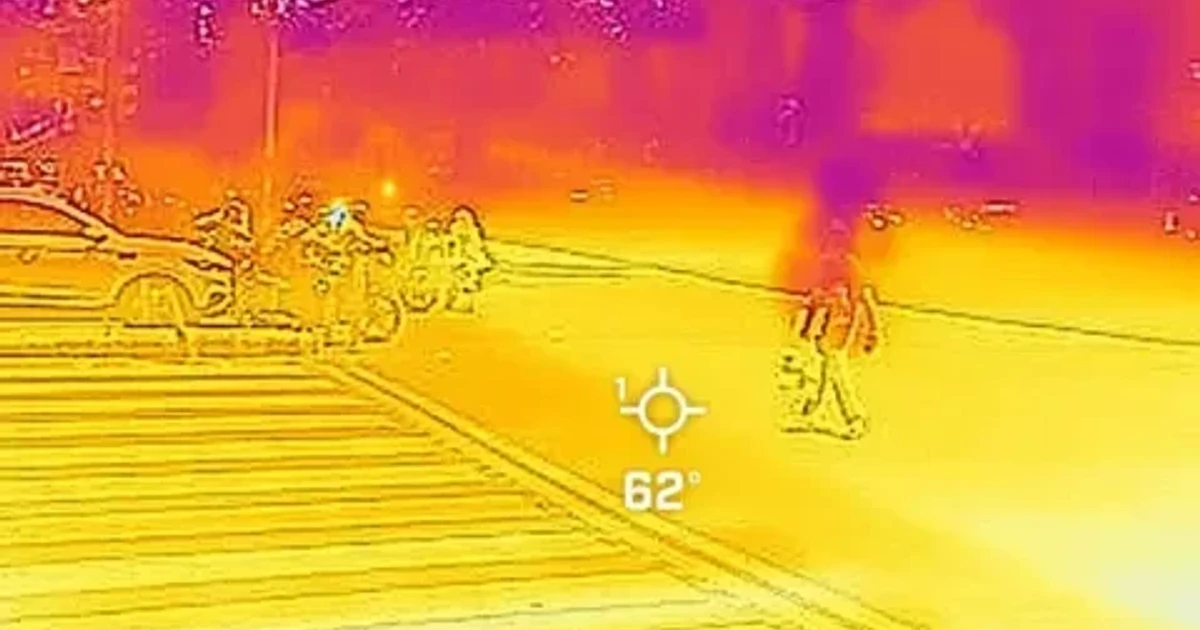
A thermal camera on Delhi’s streets showed a far harsher version of the city’s heat than the official air reading suggested. While the India Meteorological Department logged a maximum of 43.5C in the capital, Greenpeace India’s camera recorded surface temperatures of up to 64C in exposed spots, including a major flyover. The gap matters because pedestrians, commuters, traffic workers and people waiting in the sun experience the heat trapped by asphalt, concrete and vehicles, not just the number on a weather chart.
That difference is central to how Delhi’s heat wave is judged. For India’s plains, the India Meteorological Department classifies a heat wave when the maximum temperature reaches at least 40C and is 4.5C above normal, and a severe heat wave when it is at least 40C and 6.5C above normal. The department also says Delhi’s heatwave season typically runs from March to June, and warns that people exposed to the sun for long periods or doing heavy work face greater risk. In its guidance, heat-wave conditions can become fatal when exposure is prolonged.
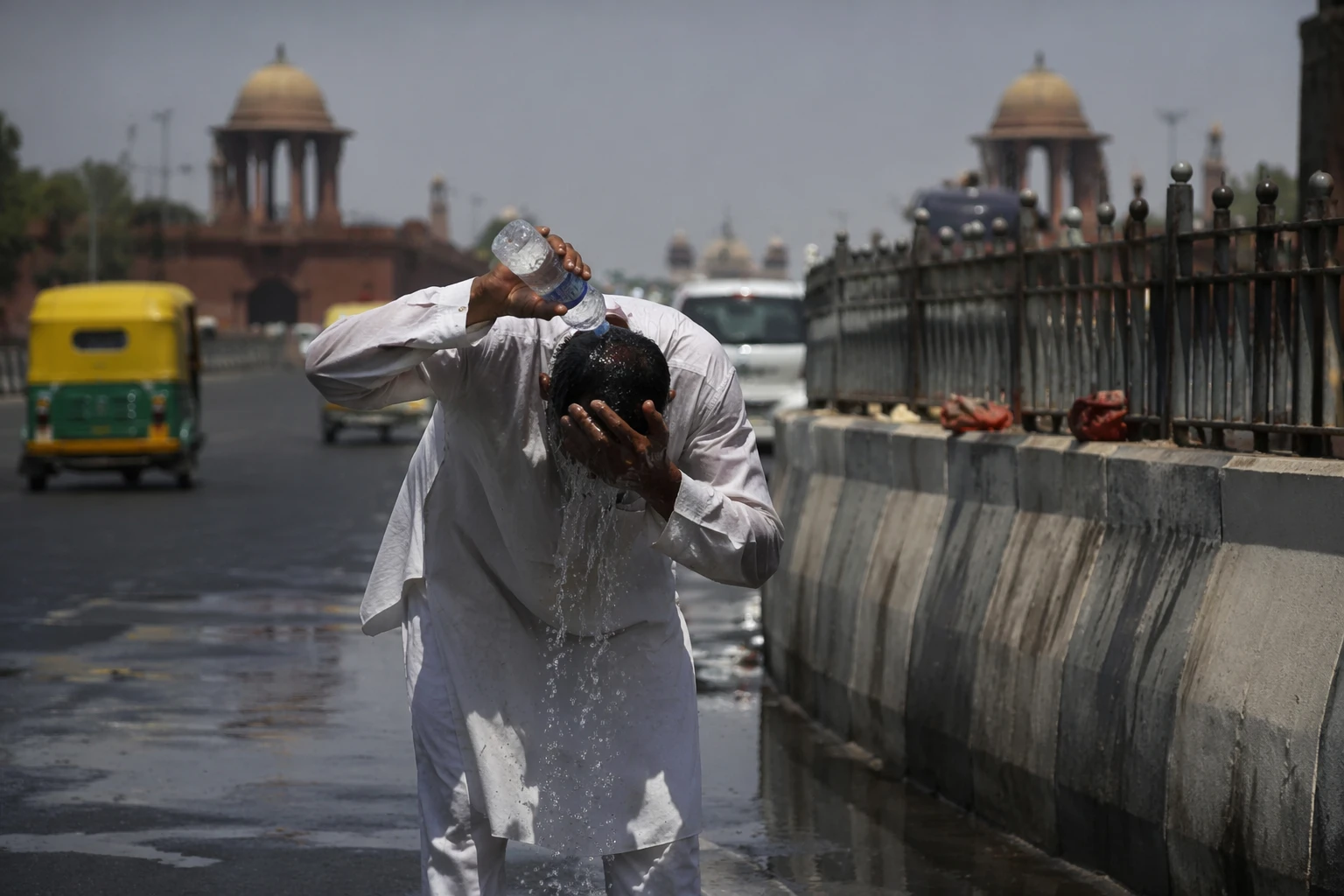
The wider health picture is worse than the thermometer suggests. The World Health Organization says heat stress is a leading cause of weather-related deaths and can aggravate cardiovascular disease, diabetes, asthma and mental health conditions. Dense urban areas with limited green and blue space intensify the urban heat island effect, pushing temperatures higher on streets, rooftops and other hard surfaces than in surrounding areas. Recent Delhi reporting has put real-feel temperatures during severe heat near 48.5C to 49C, underscoring how the city’s lived experience can diverge sharply from the official air reading.
The strain has already shown up in Delhi’s recent heat seasons. The city recorded 12 heatwave days in 2024, and national reporting that year linked extreme heat to a six-week general election as well as heat-stroke cases and deaths reported by the Ministry of Health and Family Welfare. The thermal-camera reading of 64C is a warning about more than one brutal afternoon: it points to an urban climate challenge in which shade, surface materials, traffic, ventilation and indoor cooling all shape whether heat stays tolerable or turns dangerous.
Sources
- [1]bbc.com
- [2]internal.imd.gov.in
- [3]mausam.imd.gov.in
- [4]who.int
- [5]thehindu.com
- [6]frontline.thehindu.com
- [7]aol.com