Politics
Democratic attorneys general challenge Trump tariff plan as unlawful import tax
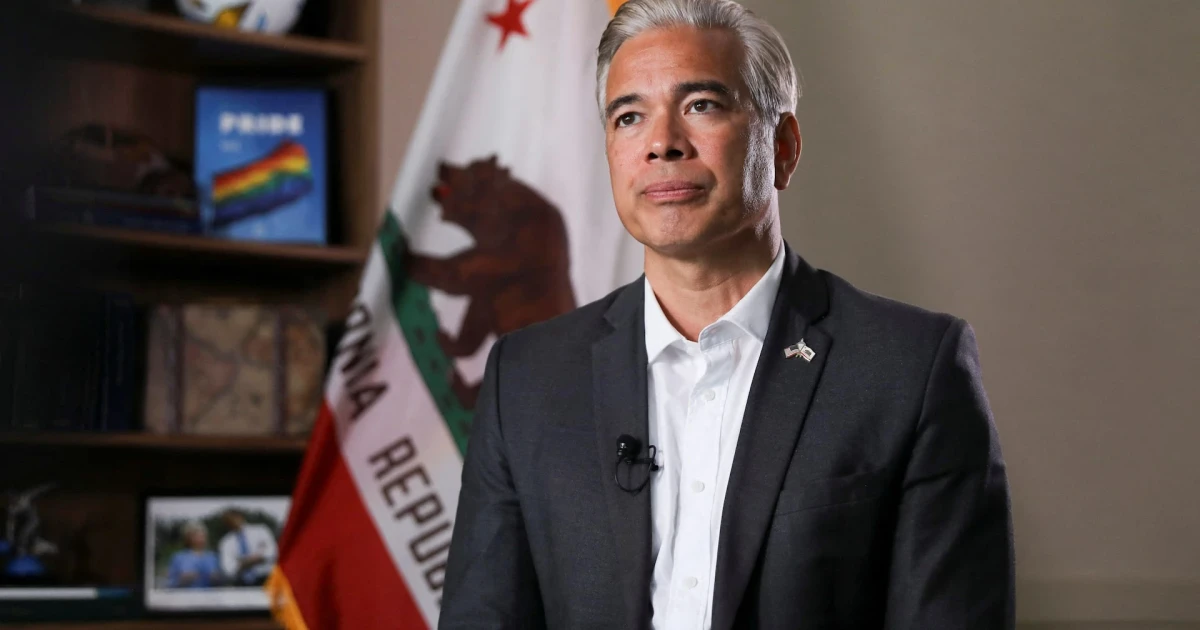
A coalition of 22 Democratic attorneys general moved against the Trump administration’s latest tariff proposal. California Attorney General Rob Bonta joined the challenge, arguing that the plan would go far beyond a narrow labor-enforcement tool and would raise costs for states and consumers.
The Office of the U.S. Trade Representative launched 60 Section 301 investigations in March into economies that had failed to effectively prohibit imports of goods made with forced labor. On June 2, the agency found those practices unreasonable and burdensome to U.S. commerce, then proposed additional duties of 10% for economies with existing or partial forced-labor import prohibitions and 12.5% for all others. USTR also proposed a textile mechanism that would let some apparel and textile imports enter at a reduced tariff rate, and the duties would cover 99.4% of goods imported into the United States.
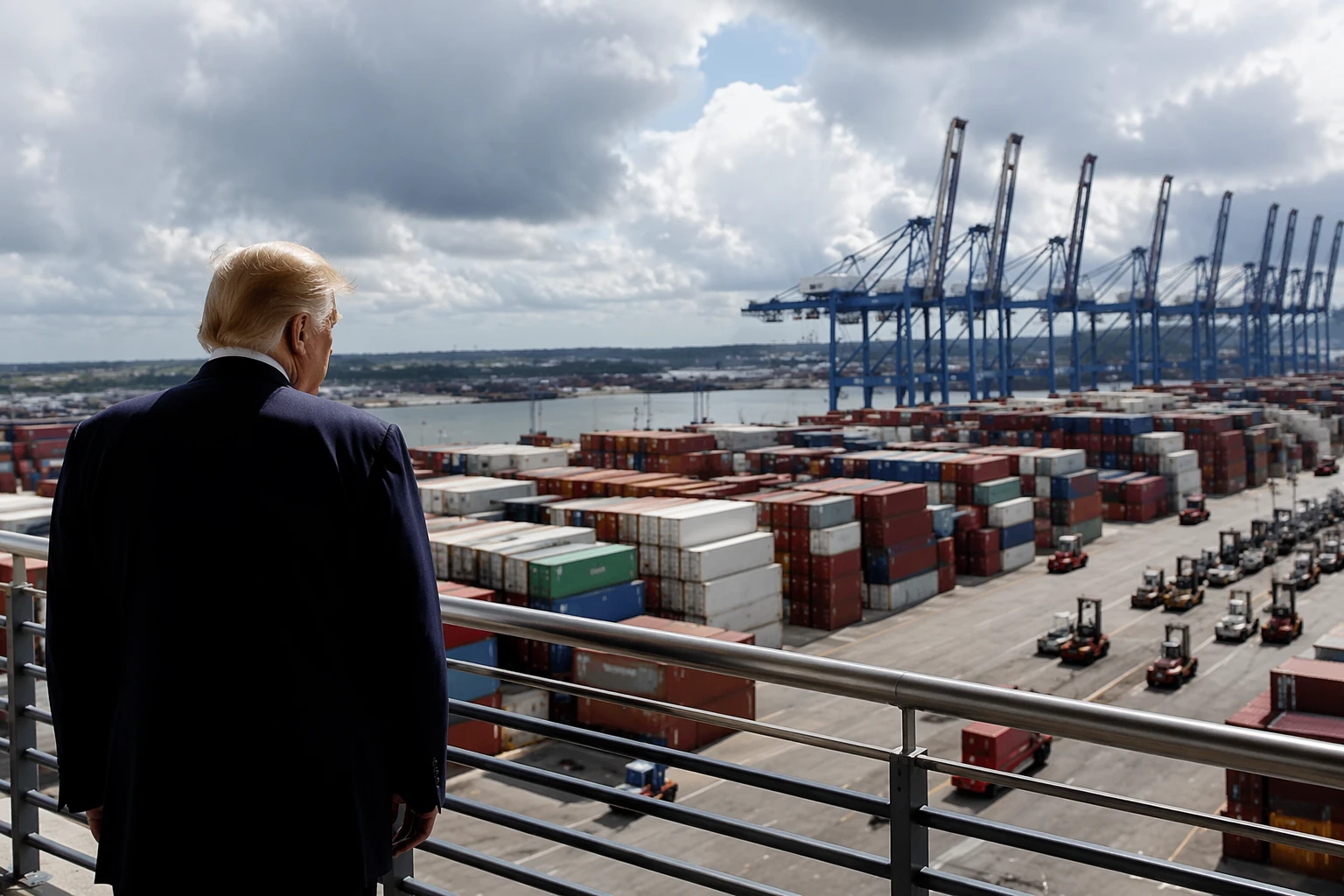
The attorneys general argue the plan is unlawful because it uses Section 301 as a substitute for tariff powers the administration has already lost in court. The U.S. Supreme Court ruled on February 20, 2026, that the International Emergency Economic Powers Act does not authorize tariffs, cutting off one earlier route the administration had used. Bonta said Trump had tried and failed with two prior tariff efforts before turning to a Section 301 theory built around forced labor. California is the nation’s largest importer and second-largest exporter among the 50 states.
The Labor Department publication cited frozen beef from Brazil as a product tied to forced labor, yet USTR proposed to exempt many beef products, including frozen beef, from the tariff list.
The Tariff Act of 1930 created the U.S. forced-labor import ban under Section 307. Congress removed the law’s consumptive-demand exception in 2015, and the United States-Mexico-Canada Agreement became the first comprehensive U.S. free trade agreement to include a forced-labor import prohibition. USTR set July 6 for written comments and July 7 for a three-day public hearing at the U.S. International Trade Commission in Washington.
Sources
- [1]money.usnews.com
- [2]ustr.gov
- [3]federalregister.gov
- [4]oag.ca.gov
- [5]congress.gov