Politics
Democrats Challenge Trump's Mail Ballot Executive Order in Court
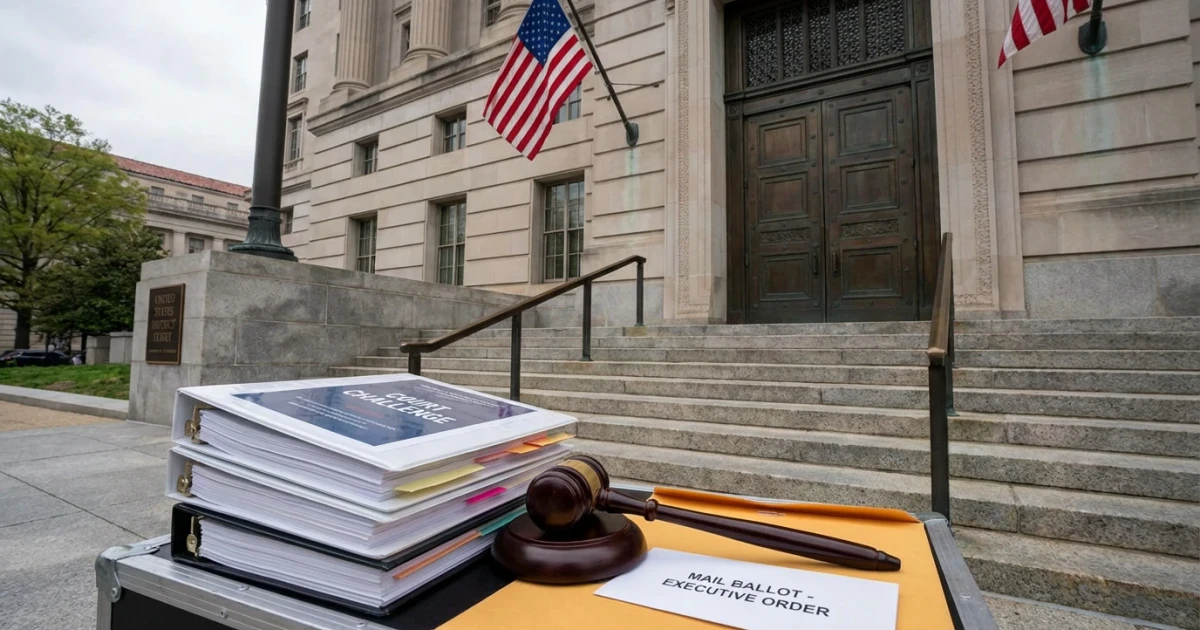
Democratic lawmakers have initiated legal action to prevent the enforcement of a new executive order issued by former President Donald Trump, which targets mail ballot procedures across the United States. The lawsuit, announced this week, marks a significant escalation in the ongoing national debate over mail-in and absentee voting—a topic that has been at the center of election policy discussions since 2020.
The Executive Order and Its Implications
The contested executive order, signed by Trump, institutes new federal requirements and restrictions regarding mail ballot processing and eligibility. While the full text of the directive is accessible in the official executive order records, initial reporting indicates it would mandate additional voter identification checks for absentee ballots and restrict the ability of states to automatically send mail ballots to registered voters.
These changes could affect millions of voters, particularly in states where mail voting has become a primary method for participating in elections. According to the Election Administration and Voting Survey (EAVS), over 65 million Americans voted by mail in the 2020 general election, reflecting a dramatic increase driven by pandemic-era policy shifts and reforms.
Democratic Opposition and Legal Arguments
The Democratic Party's lawsuit contends that the executive order oversteps presidential authority by infringing on states’ rights to administer their own elections. Democrats argue that the order could disenfranchise eligible voters by imposing new hurdles and confusion, especially in states that have longstanding traditions of mail voting. Legal filings draw on state-by-state absentee and mail voting policies to underscore the diversity of election administration across the country.
Election law experts note that previous court cases, such as those documented in the National Urban League v. DeVos docket, have centered on the balance of federal and state authority over voting procedures. Democrats say Trump's order threatens this balance by imposing federal mandates without congressional approval.
Concerns Over Voter Access and Election Integrity
Supporters of mail ballot access argue that restrictive measures could suppress voter turnout, particularly among elderly, rural, and disabled voters who rely on absentee ballots. The Brennan Center for Justice reports that mail and absentee voting have a long history of security and accessibility, with low rates of fraud and ballot rejection when clear guidelines are provided.
Defenders of the executive order, however, maintain that it is necessary to protect election integrity and prevent potential abuses of the mail voting system. The Department of Justice's guidance on mail ballot security highlights the importance of robust verification processes, although it also acknowledges the need for accessibility and inclusion.
What Happens Next?
- The legal challenge will likely move quickly through federal courts, given the potential impact on upcoming elections.
- Judges will weigh constitutional questions about federal versus state control of election procedures.
- Advocacy groups and state officials are expected to file amicus briefs or join the litigation.
As the case develops, both sides are watching closely for judicial guidance that could set new precedents for election law and mail ballot policies. For voters, the outcome will shape how millions participate in future elections, either by preserving expanded mail voting options or introducing new requirements ahead of November's contests.
Analysis
The dispute over Trump's executive order reflects broader national tensions around voting access and election security. With both parties citing the need to protect democracy, the courts will play a crucial role in determining the balance between ballot integrity and voter enfranchisement. For readers interested in the specifics of mail voting laws or executive orders, official records linked throughout this article provide further detail on the evolving legal landscape.