Politics
Democrats Criticize White House Budget Request
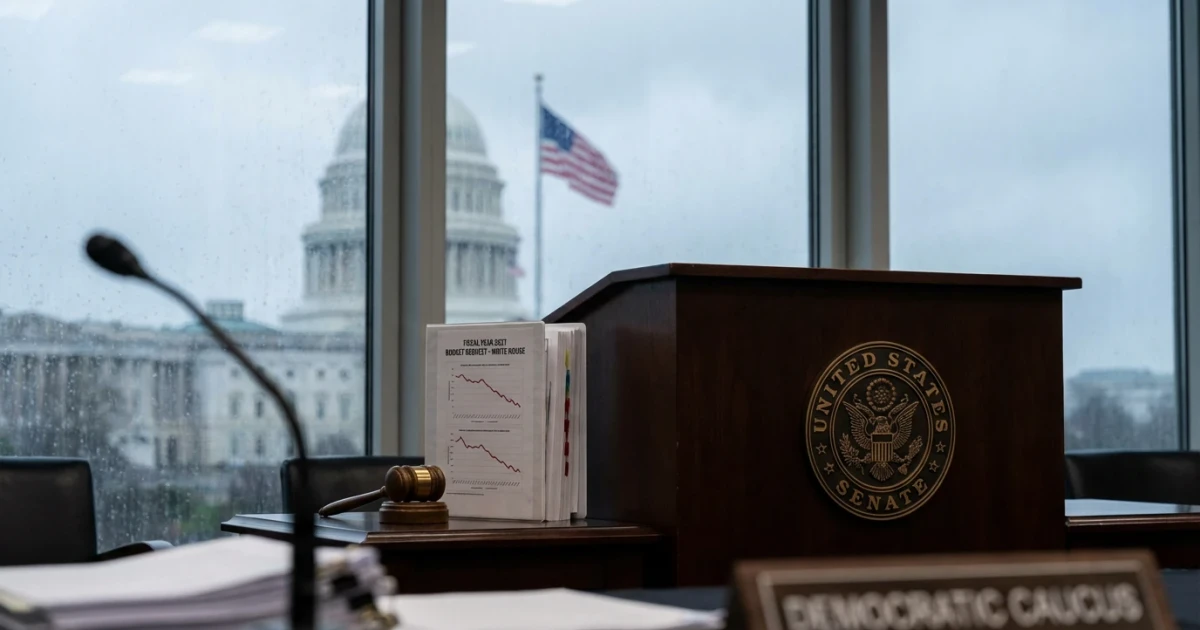
Democratic leaders in Congress are voicing strong disappointment with the latest White House budget request, describing the fiscal blueprint as “bleak and unacceptable.” The sharp criticism comes as the Biden administration’s proposed budget for the upcoming fiscal year faces mounting scrutiny from within the President’s own party.
Democratic Discontent Over Budget Priorities
The Hill reported that the budget request has left many Democrats dissatisfied, with party members highlighting concerns over what they see as inadequate funding for key social programs and progressive initiatives. The reaction underscores ongoing tensions between the White House and congressional Democrats regarding the pace and scale of domestic investments.
- Several Democratic lawmakers argue the proposal fails to sufficiently address core issues such as health care, education, and climate change.
- Some legislators have warned that the budget’s spending levels fall short of what is needed to counter growing economic inequality and support vulnerable communities.
While specific details of the White House’s budget have not been fully disclosed in The Hill’s reporting, the pushback suggests a significant rift over federal budget priorities heading into the legislative debate. Disagreements over spending allocations are common in the budget process, but this year’s intra-party criticism appears especially pointed.
Understanding the Federal Budget Process
The federal budget process is a complex, multi-step procedure involving both the executive branch and Congress. According to the Center on Budget and Policy Priorities, the President’s budget submission is an annual requirement that sets the administration’s fiscal and policy agenda, but it is ultimately up to Congress to draft and pass appropriations bills.
- The President’s proposal serves as a starting point for negotiations, outlining funding levels for federal agencies and programs.
- Congress often revises the proposal significantly, reflecting shifting political priorities and economic conditions.
The current Democratic criticism signals that lawmakers may seek substantial changes before any final budget measure is enacted.
What’s at Stake for Key Programs
Though details remain limited, the reaction from Democrats suggests concern over the White House’s approach to federal spending on social safety nets and long-term investments. Programs such as Medicaid, public education funding, and renewable energy incentives often serve as flashpoints in budget negotiations. With many Democrats pushing for expanded funding, the White House’s more restrained proposal is seen by some as undermining progressive goals.
Looking Ahead: Budget Negotiations Intensify
The strong response from congressional Democrats sets the stage for an intense period of negotiation and revision on Capitol Hill. As the budget process moves forward, lawmakers will hold hearings, mark up appropriations bills, and debate amendments, with the ultimate goal of passing a spending package that can secure support from both chambers and the President’s signature.
As the coming weeks unfold, the extent to which Democratic lawmakers can influence the final shape of the budget remains to be seen. The contentious start signals that the White House will face significant pressure from its own party to shift course on spending priorities, making this budget cycle one to watch closely for both policy changes and political dynamics.