US News
Democrats Face Pressure Over Platner Allegations
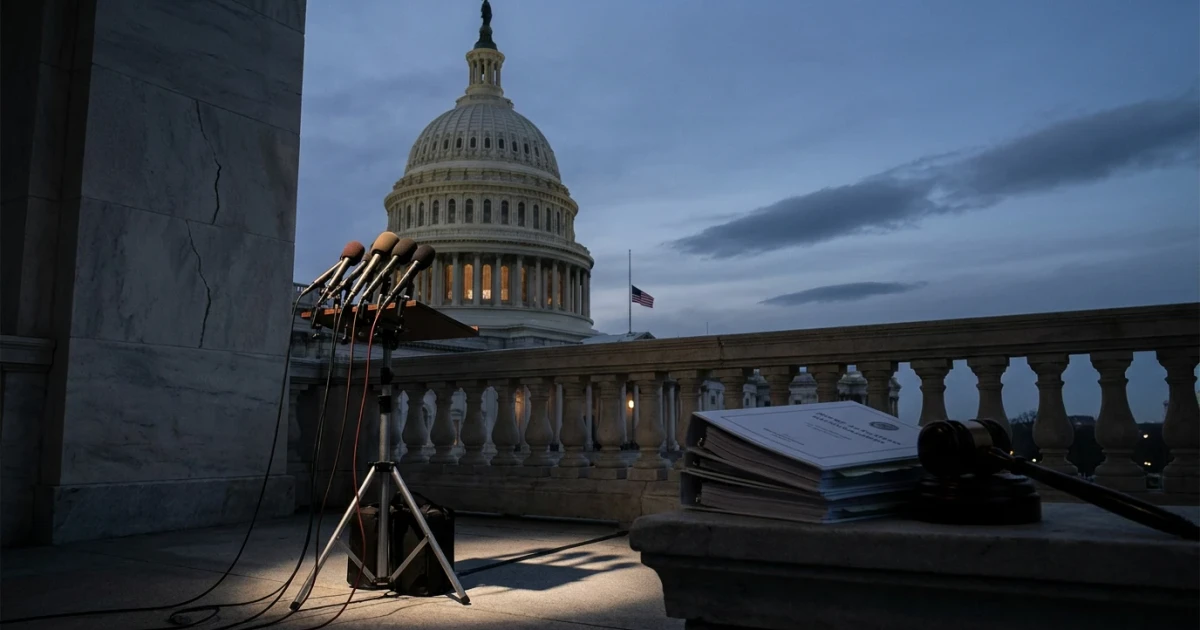
Democratic lawmakers in Congress are facing renewed scrutiny and internal debate as allegations against Representative Platner continue to draw attention both within the party and among voters. The ongoing situation has sparked concern about accountability and transparency in the party’s ranks, while also prompting a measured public response from key figures.
Party Response and Public Reaction
The New York Times reported that while some Democrats have publicly condemned Platner’s alleged actions, the party’s handling of the matter has been closely watched. Representative Ro Khanna was among those who spoke out against Platner’s past conduct, reflecting a growing call within the party for clear ethical standards. According to The New York Times, Khanna stated that Platner’s behavior was unacceptable, though he noted that "they didn’t come as a surprise" to voters in Maine, Platner’s home state. This underscores a perception that the allegations were already part of the political conversation among constituents.
Ethical Standards and Congressional Procedures
The situation has reignited discussions over congressional ethical standards and the processes for addressing allegations against sitting members. House rules provide a framework for investigating and responding to misconduct, but critics both inside and outside Congress have questioned whether these mechanisms are sufficient or consistently enforced. The ongoing debate reflects broader concerns about how parties handle internal controversies and maintain public trust.
Impact on Voters and Party Image
According to The New York Times, the Platner allegations have resonated with Maine voters, many of whom were already aware of the issues before they gained national attention. This suggests that the local electorate may be less surprised by the revelations than some party leaders. However, the broader Democratic caucus is reportedly weighing how their response could affect the party’s reputation, especially amid heightened attention to congressional ethics and transparency.
- Recent national surveys have shown that public trust in Congress remains low, in part due to concerns over how allegations of misconduct are handled.
- House Democrats are reportedly consulting official guidelines outlined in the U.S. House Ethics Manual as they navigate the response.
Calls for Reform and Next Steps
The Platner case has prompted some Democrats and outside observers to call for reforms to congressional ethics procedures, including clearer guidelines and more robust enforcement mechanisms. Research from the Brookings Institution highlights ongoing challenges in holding members accountable while preserving due process, a tension that is central to the current debate.
As new details continue to emerge, Democratic leaders face pressure to balance party unity with the need for transparency and accountability. The case remains a focal point for discussions about the standards to which elected officials are held and the political consequences of perceived inaction.
Looking Ahead
The evolving situation around Representative Platner will likely shape future discussions about ethics in Congress and party governance. As Democrats deliberate their response, the outcome may influence not only the party’s internal cohesion but also public perceptions heading into upcoming elections. For readers interested in official developments or further data, the Congressional Record offers searchable documentation of proceedings and statements related to the ongoing issue.