Politics
Democrats lead in 2026 polls, but midterm history warns of risks
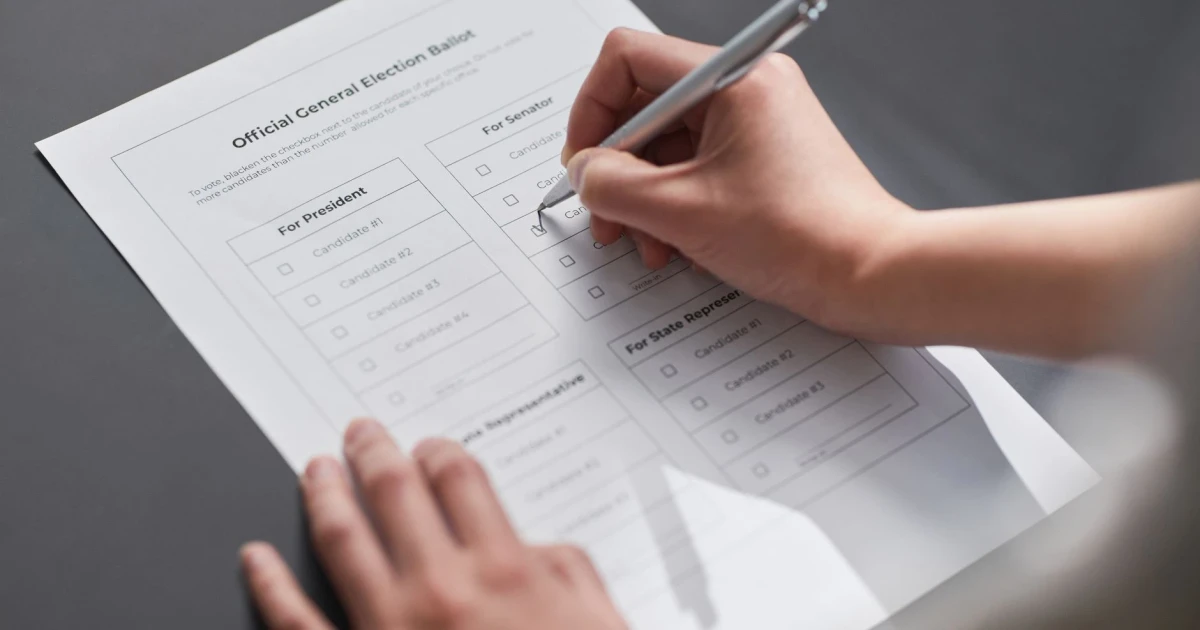
Emerson College Polling found Democrats ahead of Republicans 53% to 42% on the generic congressional ballot in a July 23 national survey. The 11-point spread followed a 3-point rise for Democrats and a 2-point gain for Republicans from the prior month, and Spencer Kimball said the result suggested voters were reacting to concerns beyond simple party preference.
That edge matters because midterms rarely move in a straight line. Brookings notes that the president’s party often loses seats in midterm elections, and Britannica’s midterm chart shows the same pattern running from 1902 through 2022. With Republicans holding the House by a slim margin and the Senate still closely watched, even a modest national advantage for Democrats can be absorbed by district lines, state-by-state races and turnout differences that the generic ballot does not capture.

The warning signs are not limited to history. Emerson’s June 11 national poll found a majority of voters pessimistic or uncertain about the future of the United States, and it also flagged redistricting as a concern. In the same July polling run, voters expressed growing opposition to data centers and a majority said the country spends too much on Israel aid, a reminder that Democrats are dealing with a mixed issue environment even while the topline looks favorable. A July 9 Data for Progress report added another clue about the coalition Democrats may need to hold together, finding that swing voters wanted Democrats to tax the rich.
The market view has been no more certain. Polymarket’s Balance of Power: 2026 Midterms pricing put Democrats Sweep at 44%, R Senate, D House at 42%, Republicans Sweep at 14% and D Senate, R House at 1.7%, a split that reflects a race with several plausible outcomes rather than a settled forecast. Democrats can point to the 14-point lead Marist measured among registered voters on Nov. 19, 2025, but the gap between national polling and battleground reality remains wide.
Recent election results have also given Democrats encouragement without proving much about 2026. AP counted Democratic wins in New York City’s mayoral race and the gubernatorial contests in New Jersey and Virginia in 2025, victories that showed strength in high-profile races but did not erase the structural risk that midterms often punish the party in power. If turnout softens, local candidates underperform or the issue mix shifts toward dissatisfaction with the White House, the polling edge can disappear quickly.
Sources
- [1]nytimes.com
- [2]emersoncollegepolling.com
- [3]thehill.com
- [4]maristpoll.marist.edu
- [5]polymarket.com
- [6]brookings.edu
- [7]dataforprogress.org
- [8]britannica.com
- [9]nbcnews.com
- [10]apnews.com