Politics
Democrats Move to Block Presidential Settlement Payouts
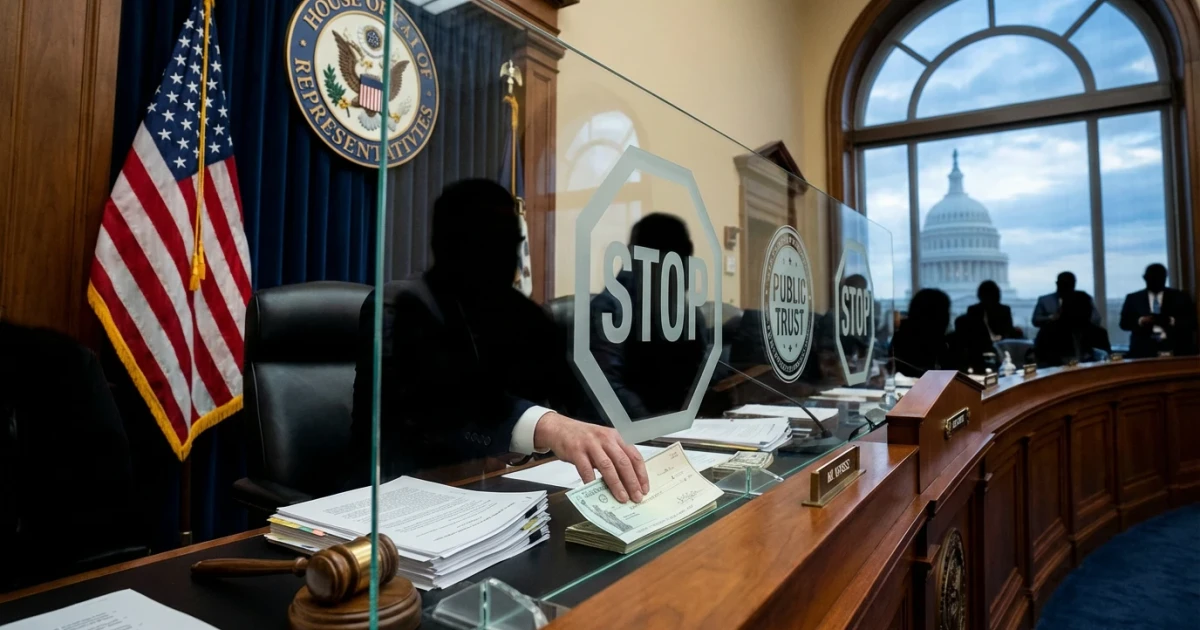
Democratic lawmakers are proposing new legislation to prevent current and former presidents from collecting settlement money from the federal government, citing the need to strengthen ethics rules and restore public confidence in the nation’s highest office. The effort comes amid heightened scrutiny of financial entanglements between top officials and the government they serve.
Background: Settlement Payments and Presidential Ethics
Settlement payments—monetary awards or agreements to resolve disputes without a trial—are a routine part of federal government operations. These payments, which can arise from lawsuits covering a range of issues including contracts, employment, and civil rights, are tracked in public databases and official records maintained by the Department of Justice.
While federal ethics rules already restrict certain types of payments to sitting officials, settlement agreements can sometimes present ethical gray areas, especially when involving high-ranking public figures. Lawmakers argue that closing this loophole is essential to maintaining the integrity of the presidency.
Details of the Democratic Proposal
The proposed legislation would make it illegal for any current or former president to personally receive settlement payments from the U.S. government. Supporters say the measure would help eliminate potential conflicts of interest and ensure that presidents do not benefit financially from legal actions involving their own administration.
- The bill would apply to settlements reached both during and after a president’s term in office.
- It aims to cover both direct and indirect payments, closing loopholes that could be exploited through third parties or shell entities.
- Proposed enforcement mechanisms include civil penalties and potential referral to the Department of Justice for violations.
Motivations and Broader Context
Democratic leaders have pointed to recent public debates over presidential ethics and accountability as a driving force behind the legislation. The move is part of a broader push to tighten oversight of executive branch conduct and bolster public trust in government institutions.
While the NBC News report highlights bipartisan interest in strengthening ethics rules, it notes that some Republicans are wary of overregulation. Opponents argue that existing ethics laws and public disclosure requirements, including those outlined in the Government Accountability Office’s analysis, already address most concerns.
Next Steps and Implications
The legislation is expected to be debated in committee in the coming weeks. If approved, it would represent a significant addition to the body of laws governing presidential conduct, joining other recent proposals such as the Presidential Ethics Reform Act of 2023.
Legal experts note that, if enacted, the law could set a precedent for addressing similar conflicts at other levels of government. The outcome of this effort will be closely watched by advocates of government transparency and those concerned about the appearance of impropriety in public office.
Looking Ahead
As Congress takes up the proposal, the debate highlights ongoing tensions between transparency, accountability, and the practical realities of governing. Whether the measure will garner sufficient bipartisan support remains to be seen, but its progress underscores the enduring importance of ethics in American public life.