Politics
Democrats Press GOP for Action on Trump and War Vote
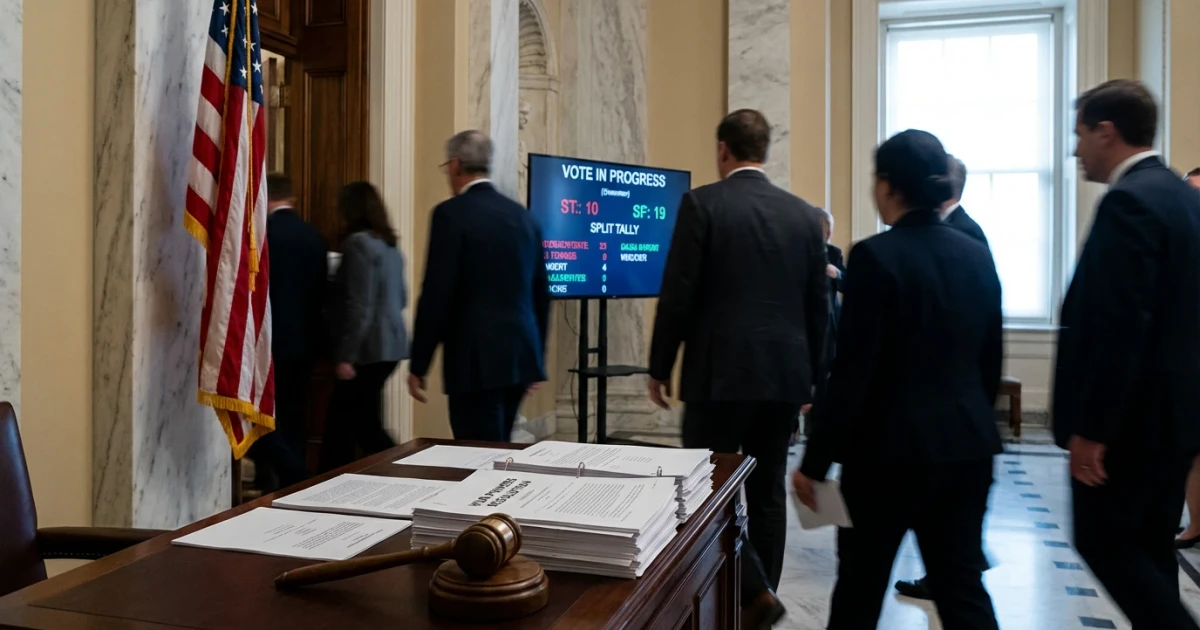
Democratic leaders are intensifying calls for Congressional Republicans to distance themselves from former President Donald Trump and take decisive action to end the ongoing war, spotlighting growing tensions in Washington and uncertainty over the legislative timetable for a key vote.
Demands for Congressional Action Grow Louder
Amid mounting political pressure, Democratic lawmakers are urging their Republican counterparts to "dump Trump" and prioritize efforts to resolve the conflict. The News Journal reports that Democrats are uniting around this message, arguing that continued association with Trump and the delay in addressing military engagement are hindering progress in Congress.
Uncertain Timeline for a Vote
One of the central questions raised by both parties and the public is when, or if, Congress will hold a vote on measures to end the war. The legislative process for war-related decisions typically involves extensive debate, committee review, and a series of procedural steps, as detailed in the Congressional Research Service's analysis of legislative procedures. While the House and Senate have the authority to pass resolutions or binding legislation regarding military operations, the timeline remains opaque.
- Democratic leaders are calling for a clear schedule for debate and votes on war powers.
- Republican leaders have so far not committed to a specific date for a vote.
- Procedural hurdles and partisan disagreements continue to stall progress.
Political Stakes for Both Parties
The debate over Trump's influence and war policy comes at a time when public opinion is sharply divided. Data from the 2024 Pew Research national survey shows a nation split on the issues of Trump’s leadership and Congressional effectiveness. Democrats argue that Republican reluctance to break with Trump is contributing to legislative inaction, while some GOP members contend that Democrats are using the issue to score political points.
Legal and Procedural Background
Ending a war or authorizing military force requires Congressional action. According to a Congressional Research Service report, Congress has the power to enact or repeal authorizations for the use of force, but the process is often contentious and lengthy. Previous attempts to change war policy have been complicated by partisan divides and presidential veto threats.
Implications for the Road Ahead
As Democrats increase pressure and Republicans weigh their options, the central questions remain: Will Congress act to address the war, and how will Trump’s ongoing influence shape the debate? The timeline for a vote continues to be uncertain, with both parties maneuvering to frame the narrative ahead of any potential legislative action.
For a closer look at the official Congressional record of votes and actions, readers can access the Congressional timeline for major resolutions. As the situation evolves, the nation watches to see if Congressional leaders can come together to address the critical issues of war and political leadership.