Politics
Democrats rally behind Abdul El-Sayed after bitter Michigan primary
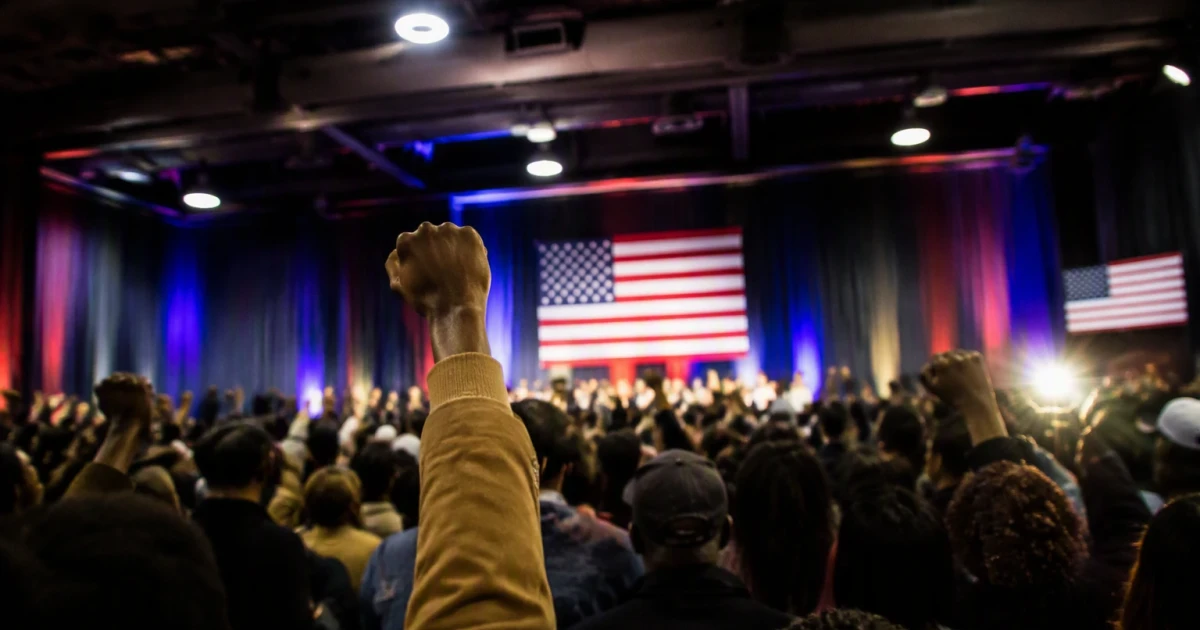
Abdul El-Sayed stood onstage in Detroit on Friday night with the rest of Michigan’s Democratic ticket as party leaders tried to turn a bruising Senate primary into a general-election operation. Pete Buttigieg, serving as a featured surrogate, called the contest “spirited” as he joined El-Sayed, Jocelyn Benson, Garlin Gilchrist and Eli Savit in a public show of unity.
The display came after a race that exposed a hard split inside Michigan Democrats. As of Aug. 5, The New York Times live tracker showed El-Sayed ahead of Rep. Haley Stevens, 740,943 votes to 726,045, with more than 95% counted. Reuters said that same day El-Sayed was moving quickly to unite Democrats in a must-win race that party strategists view as central to their bid for control of the U.S. Senate.
That urgency reflects more than a simple primary hangover. Reuters and other outlets described the contest as a test of Democratic voters’ views on Israel, and the spending gap underscored the scale of the fight. Al Jazeera reported that Stevens’s campaign drew more than $60 million in spending from pro-Israel groups, while NBC News said El-Sayed prevailed despite a huge advertising disadvantage. For Democrats trying to rebuild after the primary, those numbers point to an unresolved split over ideology, donor networks and outside influence.
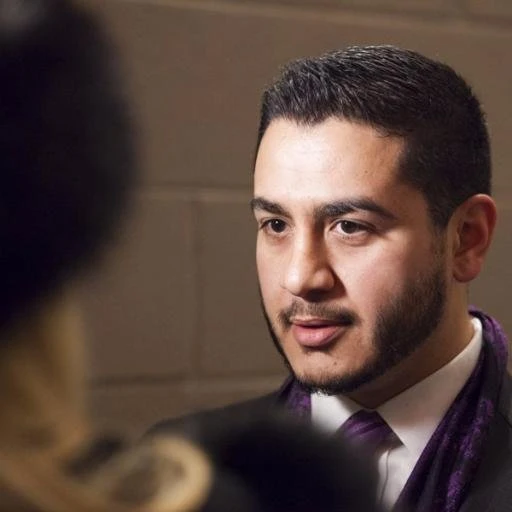
The Detroit rally put the party’s next task on display: hold the coalition together long enough to convert reconciliation into votes for November. El-Sayed shared the stage with Benson, Gilchrist and Savit to signal that the statewide ticket is supposed to move as one, not as a set of competing factions. Speakers also praised Stevens, a sign that party leaders want her voters to stay inside the tent even after a bitter fight over the Senate nomination.
But the rally alone will not erase the underlying fault lines. El-Sayed’s path now runs through the same groups that divided in the primary, including anti-establishment activists energized by his campaign and more moderate Democrats who backed Stevens. He will need those voters, and the donors and organizers around them, to help defeat Republican Mike Rogers in November, when Michigan again becomes one of the party’s clearest tests of whether a narrow primary victory can still produce a workable general-election machine.
Sources
- [1]nytimes.com
- [2]clickondetroit.com
- [3]newsnationnow.com
- [4]reuters.com
- [5]aljazeera.com
- [6]nbcnews.com
- [7]bbc.com
- [8]cnn.com