Politics
Democrats Seek Ban on Chinese Car Factories in US
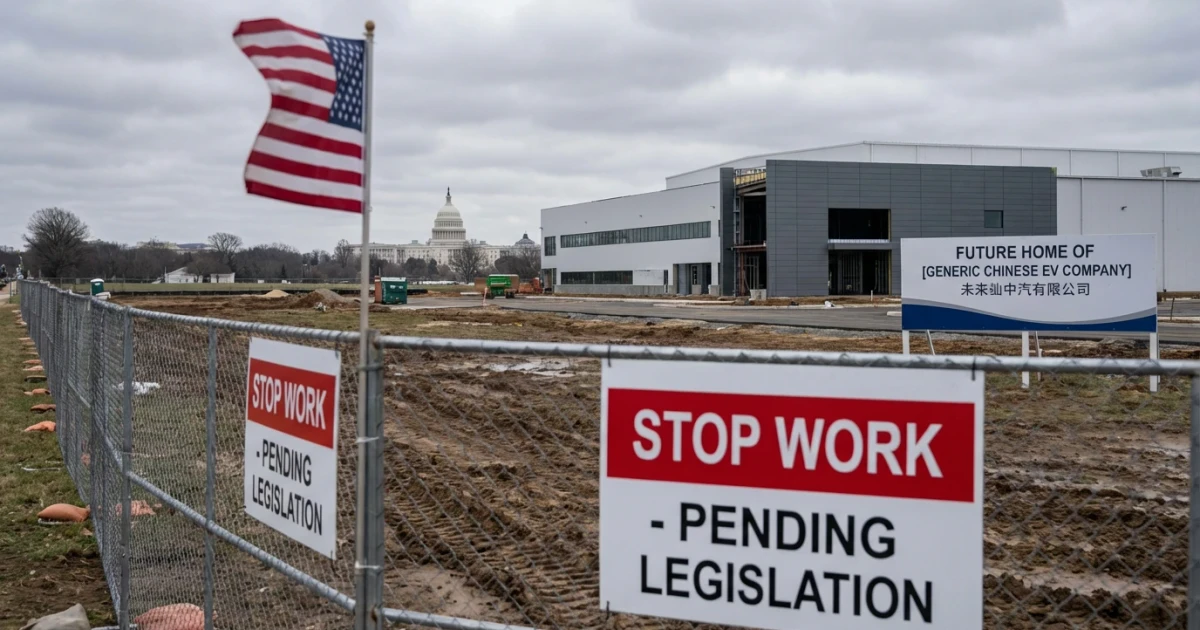
Democratic senators have launched a new legislative push to prevent Chinese automakers from establishing manufacturing plants in the United States, signaling heightened scrutiny of China’s growing influence in the global automotive market. The proposal, first reported by eletric-vehicles.com, comes amid intensifying debate over economic competition, national security, and the future of the American auto industry.
Rising Concerns Over Chinese Auto Expansion
The call from Democratic lawmakers arrives as China continues to dominate global electric vehicle (EV) sales, accounting for the largest share of the market in 2022. Chinese automakers have rapidly scaled up production, leveraging advanced technology, lower labor costs, and strong government support. As detailed in the International Energy Agency’s Global EV Outlook, firms like BYD, SAIC, and Geely have become global leaders in EV manufacturing.
- China represents the world’s largest automotive market and is the top exporter of electric vehicles, according to U.S. Department of Energy data.
- In recent years, Chinese automakers have signaled interest in expanding their operations, including potential U.S. manufacturing.
Legislative Efforts and National Security Fears
The Democratic senators’ initiative argues that allowing Chinese car companies to build factories on American soil could present national security and economic risks. Lawmakers cite concerns about potential technology transfer, supply chain vulnerabilities, and the impact on domestic employment. These worries echo broader debates surrounding foreign investment in sensitive industries.
Current U.S. regulations, such as the Uyghur Forced Labor Prevention Act, already place restrictions on certain Chinese imports due to human rights and labor concerns. The senators’ proposal would go further by directly targeting the establishment of foreign-owned manufacturing facilities by Chinese automakers.
Trade Policy and Automotive Competition
Analysts note that the U.S. auto market has traditionally been protected by tariffs and regulatory requirements for foreign automakers, as outlined by the National Highway Traffic Safety Administration. Despite these measures, Chinese brands have begun exporting vehicles to international markets, raising questions about future competition.
According to a Congressional Research Service analysis, Chinese automakers have faced significant barriers in the U.S., but continued technological advances and cost advantages could make direct competition inevitable if manufacturing facilities are established domestically.
Impact on U.S. Electric Vehicle Industry
The debate comes as the U.S. government seeks to accelerate its own EV industry in response to climate change and global competition. Proponents of the ban argue that restricting Chinese automakers supports American jobs and technological leadership. Critics, however, warn that such measures could slow innovation and reduce consumer choice, especially as EV adoption rises.
For readers interested in tracking the trends, the U.S. Census Bureau provides monthly and annual data on passenger car imports, including vehicles from China. The Brookings Institution also offers in-depth background on the rise of China’s auto industry and its implications for the global market.
Looking Ahead
The Democratic senators’ proposal is likely to fuel ongoing debate about the best path forward for the U.S. auto industry and its role in a rapidly changing global market. As Chinese automakers continue to expand internationally, American policymakers face tough decisions balancing economic interests, national security, and the transition to electric vehicles. The outcome of this legislative push could help shape the landscape of automotive manufacturing in the U.S. for years to come.