Politics
Democrats Urge Trump’s Removal Following Iran Threats
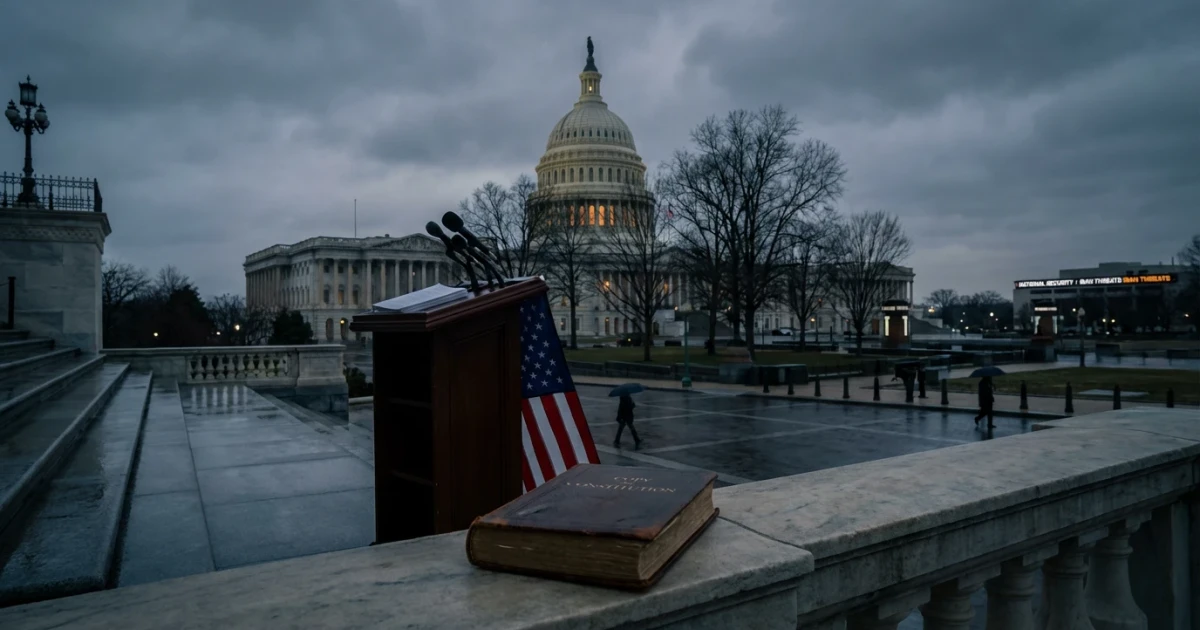
President Donald Trump is facing mounting calls for his removal from office, as dozens of Democratic lawmakers have voiced alarm over his recent threats against Iran. Both NBC News and The Hill report that the demands for action reflect deepening divisions in Congress over the president’s handling of foreign policy and the use of executive power.
Democrats Unite in Response to Iran Threats
According to NBC News, a significant bloc of Democrats has urged the invocation of constitutional remedies to remove Trump, arguing that his rhetoric toward Iran risks escalating tensions and undermines U.S. security interests. The concerns center on statements made by Trump that were widely interpreted as direct threats of military action against Iran. Lawmakers warn these threats could violate the constitutional separation of powers and bypass statutory requirements for military engagement without Congressional approval.
- Both NBC News and The Hill note that the number of Democrats joining the call for removal has grown rapidly since Trump’s statements became public.
- These demands include references to the 25th Amendment, which provides a constitutional mechanism for removing a president deemed unfit to serve.
- Many Democrats have also pointed to past impeachment proceedings as precedent for holding Trump accountable for actions seen as a threat to national security.
Concerns Over Executive Authority and National Security
Democratic lawmakers argue that Trump’s aggressive posture toward Iran could not only provoke a military confrontation but also sideline Congress’s constitutionally mandated role in authorizing the use of force. As The Hill reports, members of Congress have cited a pattern of unilateral decision-making by Trump on foreign policy, raising alarm over the potential consequences for both U.S. troops and diplomatic stability in the region.
These concerns are echoed in broader debates about presidential war powers and the need for Congressional oversight. Previous legislative efforts—including bills related to Iran sanctions and military engagement found in the Congressional bills database—highlight ongoing tensions between the executive and legislative branches over control of foreign policy.
Public and Political Reactions
The calls for Trump’s removal have sparked a wave of partisan reactions, with Democrats stressing the gravity of the situation and Republicans largely defending the president’s authority as commander-in-chief. Public opinion remains divided, as reflected in recent Pew Research polls on Trump’s Iran policy, which show Americans split over the appropriate scope of presidential power in matters of national security.
- Some Democrats have called for immediate Congressional hearings to investigate the legality and wisdom of Trump’s threats.
- Republican leaders, meanwhile, argue that the president must maintain flexibility to respond to international crises.
Next Steps in Congress
As pressure builds, House and Senate leaders face renewed demands to clarify the limits of executive authority and assert Congressional oversight. Lawmakers are expected to introduce new resolutions and hold hearings focusing on the scope of presidential power, with some referencing the Congressional Research Service’s analysis of Iran policy as a framework for debate.
While it remains uncertain whether efforts to remove President Trump will advance, the episode highlights persistent disputes over war powers, the balance of authority in foreign policy, and the mechanisms available to Congress for checking the executive branch.
Looking Ahead
The ongoing controversy underscores the fragility of bipartisan cooperation on national security issues in the current political climate. As Congress debates its next steps, the outcome will likely have lasting implications for the separation of powers and America’s approach to conflict abroad.