Technology
Demystifying Common AI Terms for Everyday Readers
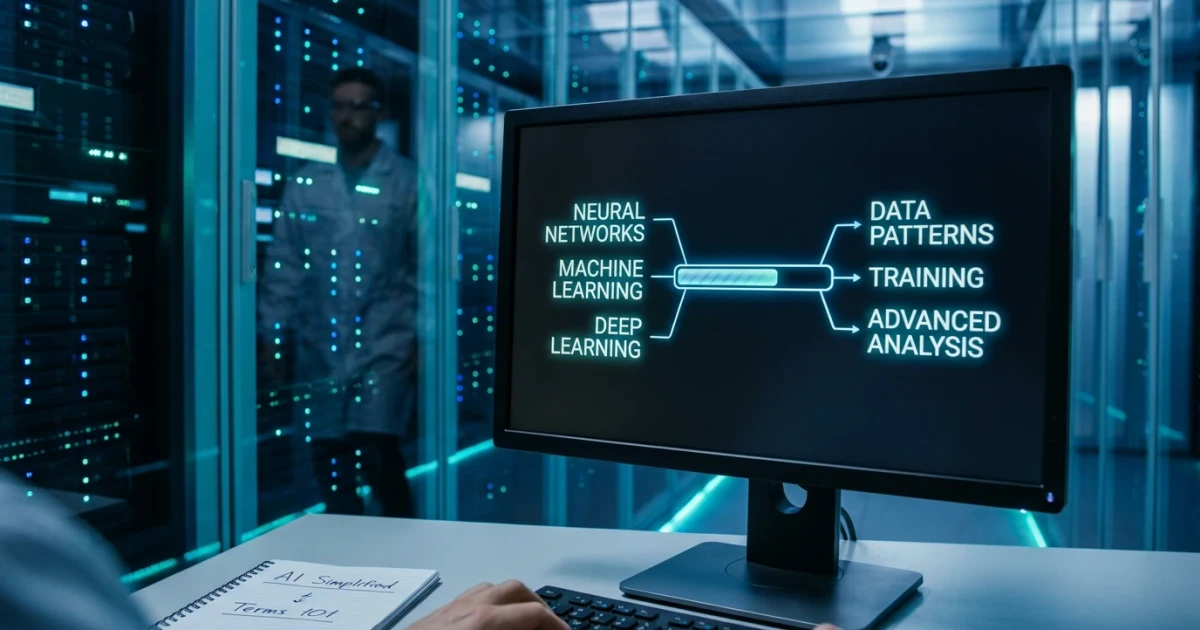
Artificial intelligence continues to make headlines and reshape industries, but for many, the language surrounding AI can be more intimidating than the technology itself. From "machine learning" to "transformers," technical terms often leave everyday readers nodding along without full understanding. Drawing from TechCrunch’s plain-language guide, this article breaks down essential AI concepts, providing clarity for anyone curious about the rapidly evolving field.
Why AI Jargon Matters
AI is no longer confined to research labs. It powers features in smartphones, online search, art generation tools, and even customer service. As AI adoption grows, so does the vocabulary. Understanding these terms is crucial for making informed decisions as a consumer, professional, or policy-maker. Authoritative resources like the ISO/IEC 22989:2022 Artificial Intelligence Concepts and Terminology provide standardized definitions, but concise explanations can help bridge the gap for non-experts.
Key AI Terms Explained
- Artificial Intelligence (AI): A broad field of computer science focused on creating systems or machines capable of tasks that typically require human intelligence, such as visual perception, language understanding, and decision-making.
- Machine Learning (ML): A subset of AI where computers are trained to learn patterns from data and improve their performance on specific tasks without being explicitly programmed. ML is behind features like recommendation engines and spam filters.
- Deep Learning: A specialized form of machine learning using layered structures called neural networks. Deep learning enables advances in image recognition, speech-to-text, and even complex game-playing. For a technical dive, explore the influential Attention Is All You Need paper, which introduced the transformer model architecture.
- Neural Networks: Algorithms inspired by the structure of the human brain, consisting of interconnected layers ("neurons") that process information and learn complex relationships in data.
- Transformer: A specific type of neural network architecture that has revolutionized natural language processing (NLP). It's the foundation behind models like GPT and BERT. For more, review the Hugging Face Transformers documentation.
- Natural Language Processing (NLP): A field of AI focused on the interaction between computers and human language, enabling applications like chatbots, translation tools, and voice assistants.
- Large Language Models (LLMs): AI systems trained on vast datasets to generate and understand human-like text. Notable examples include OpenAI’s GPT-3 and GPT-4. Key advancements in LLMs can be explored in the OpenAI GPT-3.5 Turbo release notes.
- Training Data: The datasets used to "teach" machine learning models, often consisting of text, images, or other information relevant to the intended use.
- Inference: The process of using a trained AI model to make predictions or generate outputs based on new input data.
Why These Terms Come Up So Often
From TechCrunch’s overview, it's clear that the rise of generative AI tools has brought terms like "transformer" and "LLM" into mainstream conversation. These models underpin popular products, such as chatbots and image generators, and are often referenced in media and product announcements. For those interested in how different models perform across AI tasks, the State-of-the-Art Leaderboard offers real-time comparison of benchmark results.
Understanding the Impact of AI
AI’s influence spans industries, from healthcare to finance, and its vocabulary is rapidly entering everyday language. To address risks and ensure responsible development, organizations like the NIST AI Risk Management Framework are establishing guidelines for safe and ethical AI deployment.
Making AI More Accessible
As TechCrunch emphasized, demystifying AI terms is key to broader adoption and informed public debate. Readers can deepen their understanding by exploring technical documentation, following AI news, or reviewing official standards. With AI’s role set to expand, a basic grasp of these concepts will help everyone engage more confidently with the technology shaping our world.