Politics
Department of Homeland Security Shutdown Concludes
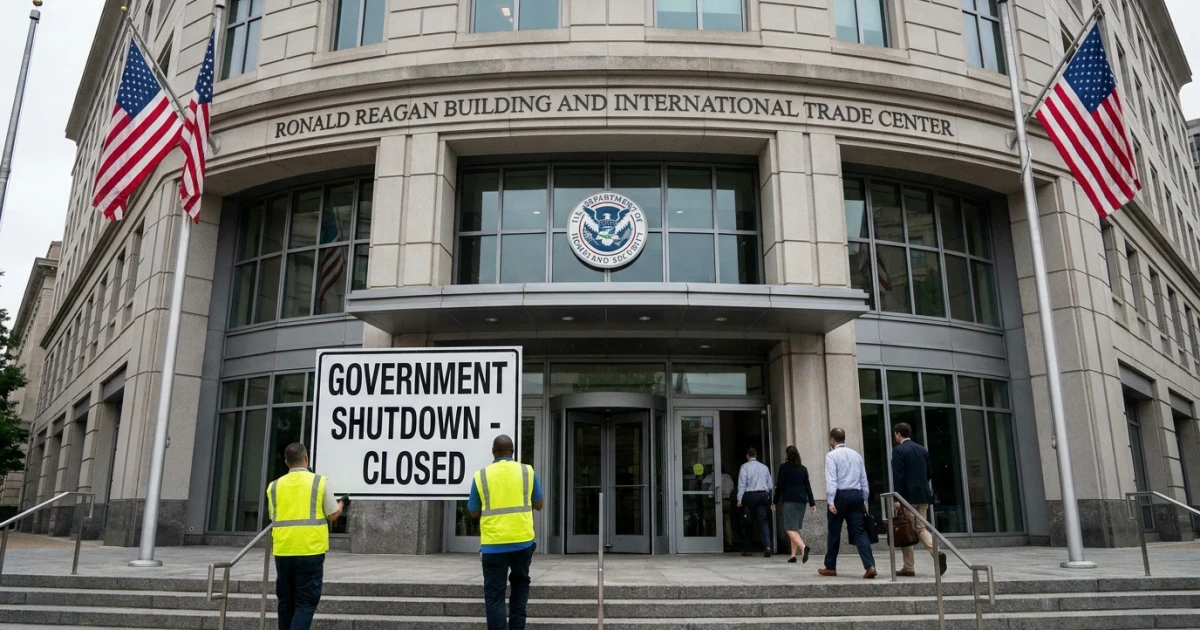
The Department of Homeland Security shutdown—the longest in agency history—has officially ended, marking relief for thousands of affected workers and critical government operations. The closure brought widespread disruption, highlighting vulnerabilities in federal funding processes and raising questions about future preparedness.
Shutdown Reaches Record Duration
The shutdown not only surpassed previous records for length, but also drew attention to the central role DHS plays in national security and public safety. According to historical data, this marks the longest period the DHS has gone without funding, exceeding past shutdowns which typically lasted days or weeks rather than months. The impact was felt across all major DHS components, including agencies responsible for border protection, immigration services, and disaster response.
Impact on Federal Employees and Operations
- Thousands of DHS employees were furloughed or required to work without pay, affecting morale and financial stability. Official furlough guidance from the U.S. Office of Personnel Management detailed the procedures and support provided to affected workers.
- Essential operations, such as border security and emergency management, continued but with reduced staffing and resources.
- Non-essential programs, including administrative processing and grant management, experienced significant delays.
While core security tasks maintained continuity, the shutdown exposed the challenges of operating under a lapsed budget. The DHS contingency plan outlined which activities would be halted and which would proceed, prioritizing urgent matters at the expense of routine functions.
Economic and Policy Consequences
The financial toll extended beyond federal employees, as contractors and local communities dependent on DHS projects faced ripple effects. The Congressional Budget Office has previously analyzed shutdown impacts, noting that lost productivity and deferred spending can dampen economic momentum even after operations resume.
Policy debates during the shutdown focused on appropriations for border security, immigration enforcement, and disaster preparedness—core DHS responsibilities. The shutdown's conclusion followed intense negotiations, but experts warn that recurring budget impasses may undermine long-term planning and public trust.
Lessons and Future Preparedness
- The shutdown underscored the need for robust contingency planning across federal agencies.
- Calls for reform center on funding stability, improved employee protections, and increased transparency for public-facing programs.
- Stakeholders emphasize the importance of maintaining critical services during budget disputes.
Conclusion
With DHS operations restored, attention turns to rebuilding capacity, addressing backlogs, and fortifying agency resilience. The shutdown’s unprecedented length has prompted renewed discussions about federal budgeting, worker protections, and the essential functions that safeguard the nation. Policymakers and agency leaders are now considering reforms to prevent similar disruptions in the future, ensuring that vital government services remain uninterrupted during fiscal uncertainty.