Technology
Department of War Reports Surge in AI Adoption
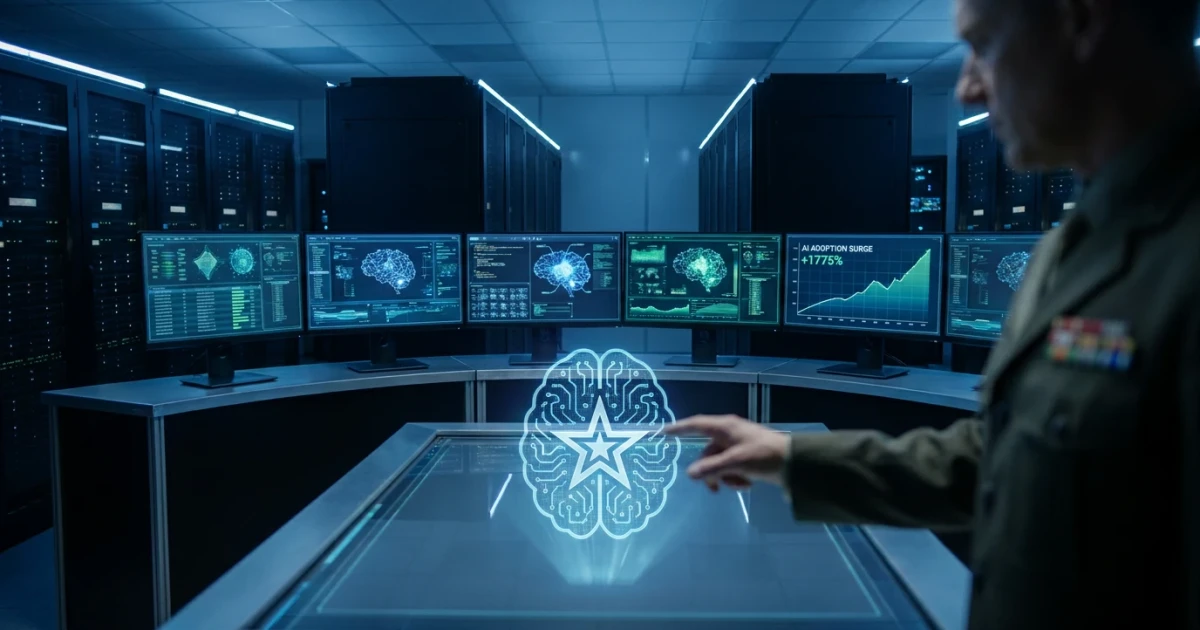
The U.S. Department of War (DOW) has experienced a dramatic surge in artificial intelligence adoption, with usage rising by 1,775% over the past year, according to a recent announcement by a senior technology official. The unprecedented growth underscores a significant shift toward digital transformation and advanced automation within one of the nation's most critical agencies.
Rapid Expansion of AI Capabilities
The senior DOW tech official, speaking on condition of anonymity, emphasized that this remarkable increase reflects both the urgency and scale of the department's modernization efforts. The Department's strategic embrace of AI aligns with broader government trends, as documented in recent Government Accountability Office reports highlighting the rapid expansion of AI tools across federal agencies.
- 1,775% increase in AI use within the Department of War this year
- AI projects now embedded in logistics, intelligence, and operational planning
- Growth rate significantly outpaces most other federal departments
Key Drivers Behind the Growth
Several factors are driving this adoption, including the need to process vast amounts of battlefield data, enhance decision-making, and streamline supply chain management. The Department of War's initiatives mirror efforts across the federal government, as outlined in the AI in Government official program records, where agencies are leveraging AI for increased efficiency and predictive analytics.
Experts suggest that the DOW's focus on AI-enabled logistics and intelligence is already delivering tangible benefits, from improved threat assessment to optimized resource deployment. These initiatives are governed by standards such as the NIST AI Risk Management Framework, ensuring responsible and secure implementation of advanced technologies.
Implications for National Security
This steep increase in AI adoption has significant implications for national defense. Department leaders believe that AI-driven systems will bolster the DOW’s capacity to respond rapidly to evolving threats, analyze complex datasets, and coordinate large-scale operations more efficiently.
Additionally, the Department of Defense has outlined similar priorities in its AI initiatives, focusing on interoperability, ethical use, and workforce upskilling to manage the technological shift.
Looking Ahead
While the Department of War’s 1,775% increase in AI use is remarkable, officials caution that continued investment in infrastructure, federal policy guidance, and workforce training will be vital to secure long-term benefits. As AI adoption accelerates, oversight and risk management will remain central to ensuring these technologies support both mission effectiveness and public trust.
The DOW’s experience serves as a bellwether for other agencies, highlighting the pace at which AI is transforming government operations and the importance of strategic, responsible implementation.