US News
Deputy U.S. marshal killed serving arrest warrant in Louisiana
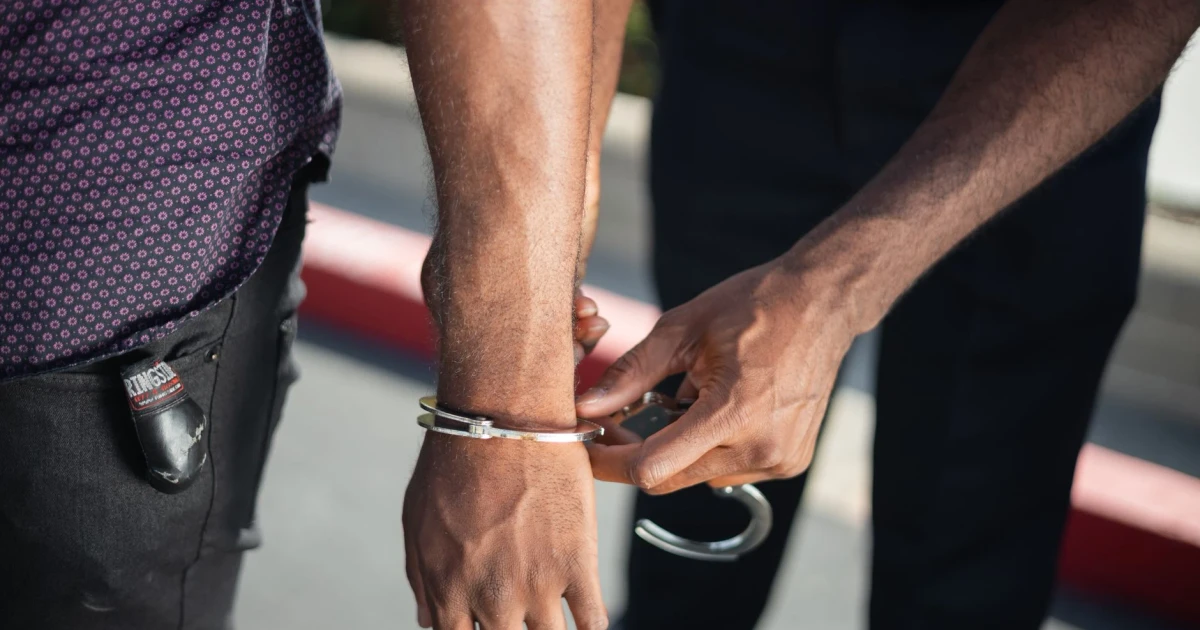
A deputy U.S. marshal was shot and killed while serving an arrest warrant on a fugitive in Louisiana, and the suspect is in custody. The case again puts a hard light on one of federal law enforcement’s most dangerous assignments: the arrest of wanted fugitives, often with local task-force backup and incomplete information about who is waiting at the door.
The U.S. Marshals Service traces its roots to the Judiciary Act of 1789, when the office of United States marshal was created and the Senate confirmed the first marshals on September 26, 1789. More than two centuries later, the service still leans heavily on coordinated fugitive work. In Louisiana, its Western District office is based in Shreveport, and the Eastern District participates in the Gulf Coast Regional Fugitive Task Force, which targets people wanted for violent crimes, narcotics offenses and sexual offenses.
That structure is meant to widen intelligence-sharing and bring more officers to bear on high-risk arrests, but it also places deputies in close contact with suspects who may be armed, cornered or already prepared to resist. The fatal shooting in Louisiana fits that pattern, turning a warrant service into a deadly confrontation before the suspect was taken into custody.
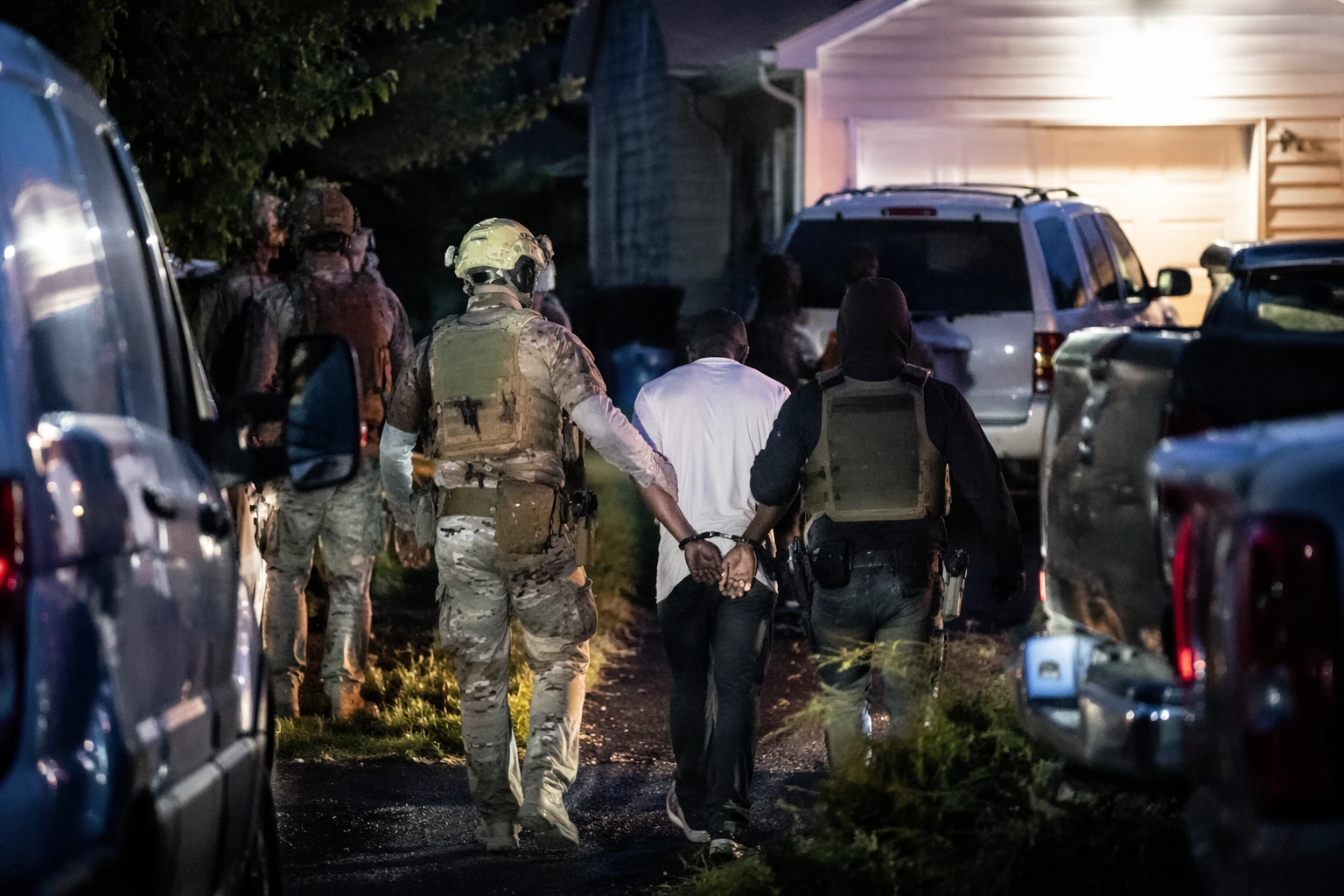
The danger is not abstract. Deputy U.S. Marshal Christopher David Hill was killed while serving a warrant in Pennsylvania, and Deputy U.S. Marshal Josie Wells died in Louisiana while part of a team executing a warrant on a fugitive wanted for double homicide. Those deaths, like this one, showed how quickly routine fugitive operations can collapse into a lethal struggle even when the mission is a standard arrest.
In Wells’s case, thousands of mourners, including law enforcement officers from across the country, paid their respects. Memorials for fallen marshals have drawn wide attention because the work sits at the intersection of federal jurisdiction, local police support and the kind of tactical uncertainty that can make a single arrest attempt far more dangerous than the case file suggests.
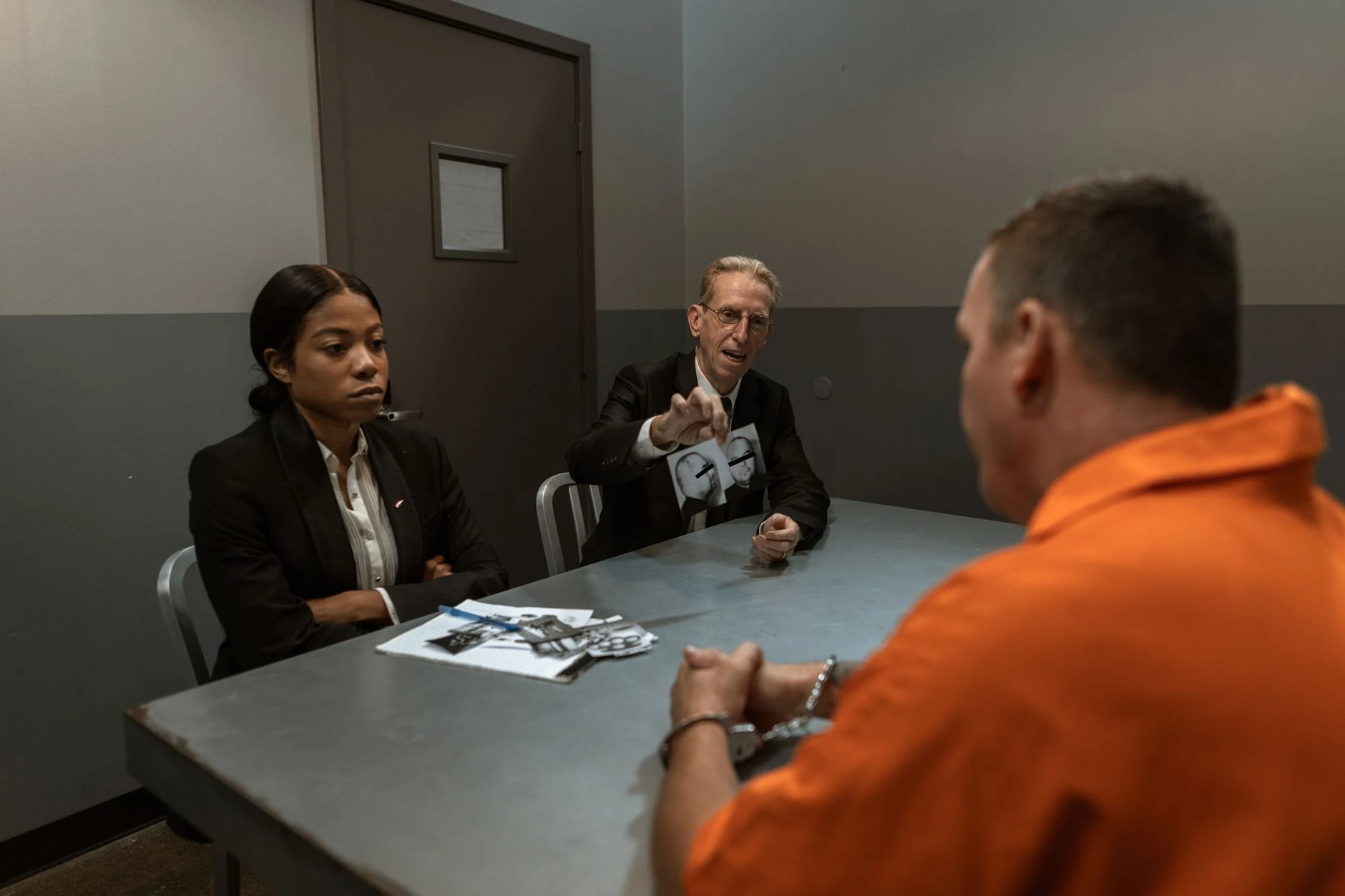
The latest killing leaves the Marshals Service facing the same calculation it has carried since 1789: every fugitive arrest depends on intelligence, backup and timing, but even well-planned operations can turn deadly in seconds.
Sources
- [1]cbsnews.com
- [2]justice.gov
- [3]usmarshals.gov
- [4]apnews.com