World
Derbyshire officer investigated over alleged AI-made evidence in cases
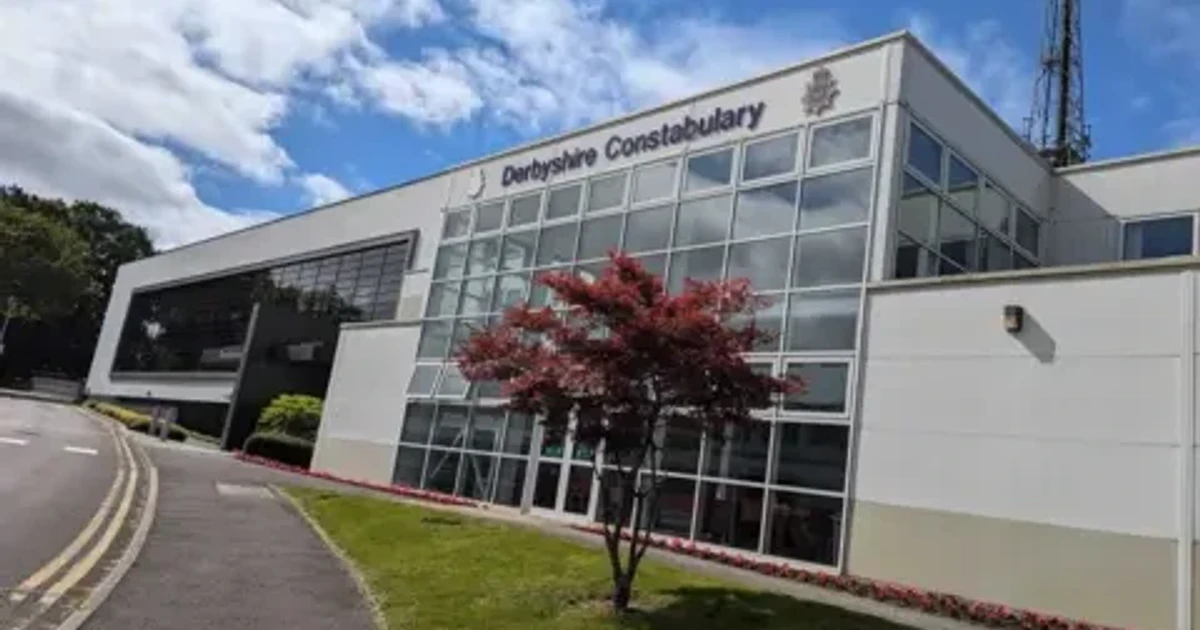
Derbyshire police opened a criminal investigation into an officer suspected of using artificial intelligence to create evidential material in a number of cases, a disclosure that now places the chain of custody in multiple prosecutions under scrutiny. The officer was removed from frontline duties, and no arrests had been made.
The allegation is being treated as suspicion of perverting the course of justice, one of the most serious offences in the criminal justice system because it goes to the reliability of evidence before a court. Derbyshire Constabulary said the inquiry was at an early stage and that it was working closely with the Crown Prosecution Service as it assesses which cases may have been affected.

The CPS said it was engaging with defence teams and courts that may have been impacted, signalling that the consequences could extend beyond a single file. If AI-generated material was entered into evidence without proper disclosure or verification, the issue would not stop at one officer’s conduct. It would raise questions about every case touched by the same methods, from how material was created to whether it can be safely relied on by prosecutors, judges and juries.

The case has drawn attention because it is believed to be the first known criminal investigation in the United Kingdom involving a police officer allegedly using AI to create evidence. That makes the Derbyshire inquiry a test case for a system already under pressure to modernise digital policing without weakening safeguards around authenticity, disclosure and audit trails.

The timing has sharpened those concerns. The same week the investigation became public, PoliceAI, a new national centre for AI in policing, was launched to help forces adopt the technology more responsibly. Alex Murray, the interim director, has argued that policing must keep pace with criminals and technology while using AI responsibly to help keep people safe. He has also pointed to its potential to reduce administrative burdens such as manual redaction of case files.

At the same time, the Oxford Institute of Technology and Justice says English police forces are already using AI for predictive analytics, facial recognition and automated redaction, even though there are no express statutory regulations governing AI use in criminal proceedings. The institute says existing laws and professional guidance may still constrain how the technology is deployed, but the Derbyshire case shows those limits are now being tested in practice. Earlier in 2026, AI-produced material also contributed to controversy over evidence used to justify a ban on Maccabi Tel Aviv fans at an Aston Villa match, underscoring how quickly errors in police-generated AI can spill into public decisions and courtrooms.
Sources
- [1]bbc.com
- [2]aol.com
- [3]telegraph.co.uk
- [4]uk.news.yahoo.com
- [5]techandjustice.bsg.ox.ac.uk
- [6]policinginsight.com