Politics
Derek Schmidt Addresses Political Turbulence in Washington
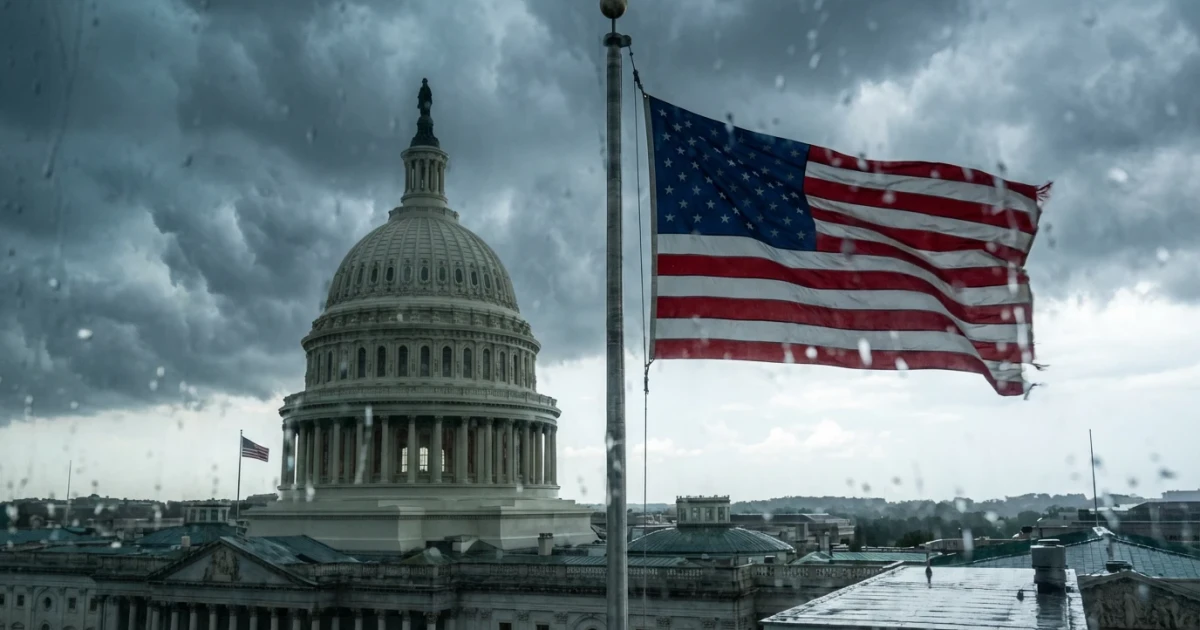
Derek Schmidt, a prominent voice in Kansas politics, recently discussed the increasing challenges posed by what he describes as “noisy” and “disjointed” political dynamics in Washington, D.C. His remarks come as lawmakers and citizens alike grapple with a period marked by heightened political polarization and legislative gridlock.
The Current State of Congressional Politics
Schmidt’s observations align with national trends that show growing disunity and partisanship within the halls of Congress. Many experts, including researchers at the Brookings Institution, have noted that the past decade has seen a marked increase in partisan polarization, making it harder for lawmakers to find common ground on key issues.
- Data from GovTrack.us reveals that party-line votes have become more common, with fewer bipartisan bills making it through both chambers.
- The U.S. Government Accountability Office reports an uptick in procedural delays and legislative bottlenecks, further fueling the sense of dysfunction Schmidt describes.
Schmidt’s Perspective on the ‘Noisy’ Environment
While the Topeka Capital-Journal did not provide direct quotes from Schmidt, his characterization of Washington’s political climate as “noisy” reflects widespread concerns about the role of media, social platforms, and special interests in amplifying division. Schmidt’s comments highlight a growing frustration among lawmakers and the public with a discourse dominated by rhetoric rather than policy solutions.
Observers point to the influence of outside spending and lobbying as contributing factors. According to OpenSecrets, campaign finance and lobbying expenditures have reached record highs, intensifying competition and complicating consensus-building in Congress.
Disjointed Decision-Making and Its Impact
Schmidt’s description of “disjointed” politics points to a lack of coordinated action on legislative priorities. Recent sessions have seen several high-profile stalemates, with essential bills delayed or blocked by procedural tactics and intra-party disagreements. The GAO found that such dysfunction can impede the federal government’s ability to respond quickly to crises, from budget negotiations to emergency aid.
- Analysis from the Pew Research Center shows a declining share of Americans who say they trust the federal government to do what is right, with many citing partisan fighting as a primary reason.
- Despite these challenges, some bipartisan efforts continue, though their success often depends on leaders’ ability to rise above the noise and focus on shared goals.
Looking Forward: Calls for Reform
Schmidt’s remarks add to a chorus of voices calling for institutional reforms to restore public trust and improve legislative effectiveness. Potential solutions discussed in research and policy circles include revising procedural rules, increasing transparency around money in politics, and promoting more civil discourse among lawmakers.
While there is no quick fix to the current environment, Schmidt’s perspective underscores the importance of ongoing dialogue about how to reduce noise and strengthen the decision-making process in Congress. As national debates continue, citizens and their representatives will need to work together to ensure that policy takes precedence over partisanship.