Health
Dermatologists warn makeup wipes can irritate skin and cause allergies
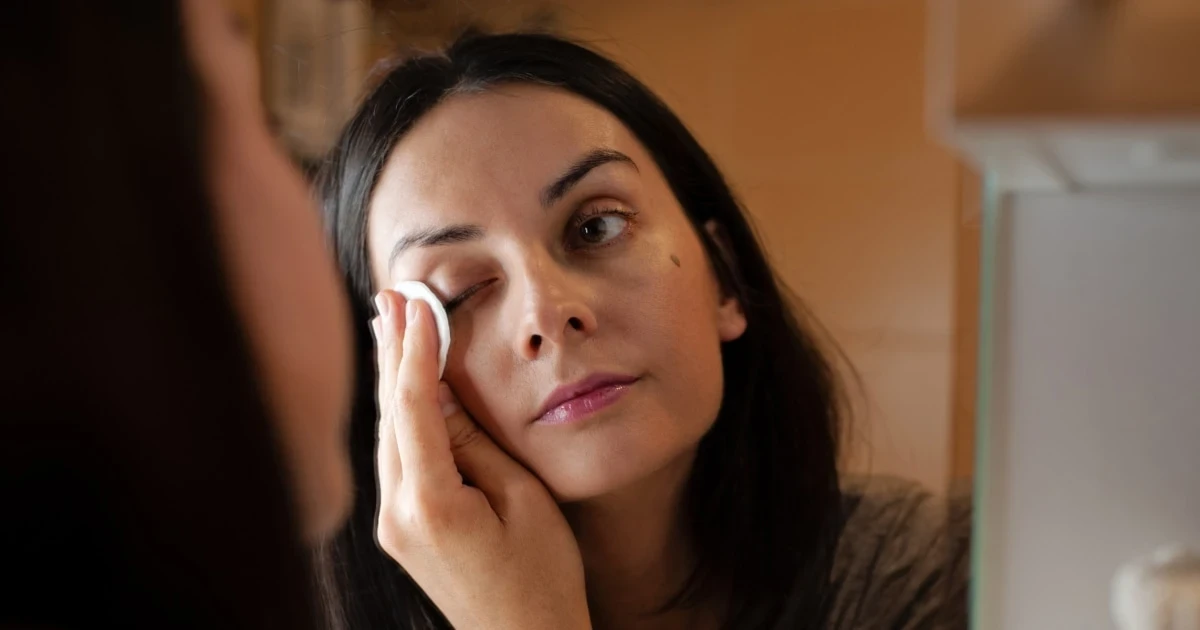
A makeup wipe is a practical stopgap when water and a sink are not available. The tradeoff is that convenience often comes with residue, and residue can matter when your skin is already prone to acne, irritation, or allergy.
The goal is not just removing visible makeup. It is protecting the skin barrier while cleaning it well enough to limit buildup, inflammation, and reactions to preservatives or fragrance.
When a wipe is acceptable, and when it is not
It can also be a reasonable first step if you need to remove heavy makeup quickly before a longer cleanse later.
What it should not become is the routine itself. For regular use, the American Academy of Dermatology recommends a gentle, non-abrasive cleanser with lukewarm water and fingertips, and advises limiting face washing to twice a day and after sweating. Washcloths, mesh sponges, and other tools can irritate skin, which is exactly the kind of friction wipes are often used to avoid in the first place.
Who should be especially careful
People with easily irritated skin have the most to lose from a product that relies on rubbing and leave-on ingredients. The American Academy of Dermatology recommends fragrance-free products for skin that is easily irritated, including rosacea-prone skin, and advises rosacea patients to avoid products containing alcohol, camphor, fragrance, glycolic acid, lactic acid, menthol, sodium lauryl sulfate, and urea.
Makeup wipes are rarely just cloth and water. Many contain preservatives and other additives that can linger on the skin after the makeup is gone, which raises the odds of stinging, redness, or a flare in people already managing rosacea, eczema, or acne.
The ingredient problem hiding in convenient packaging
Two preservatives show up repeatedly in the dermatology literature around wipe-related reactions: methylisothiazolinone and methyldibromo glutaronitrile. Both are common causes of contact dermatitis, and case reports have linked them to severe facial eczema and hand dermatitis from makeup-removal wipes and other wet wipes.
A 2005 case report connected allergic contact dermatitis to methyldibromo glutaronitrile in make-up removal wipes. A 2015 case report described severe, recalcitrant facial eczema caused by mislabelled make-up remover wet wipes. PubMed studies from 2011 and 2012 also described allergic contact dermatitis caused by methylisothiazolinone from different sources, including mislabelled household wet wipes.
Wipes can be part of a wider exposure pattern, especially when packaging, labeling, or ingredient lists are not clear enough for someone with a known sensitivity.
Why allergists and dermatologists pay attention to cosmetics more broadly
Cosmetics can cause allergic contact dermatitis, and that concern is growing as more personal-care products and ingredients enter the market. In one multicenter study, 584 patients with suspected cosmetic contact dermatitis were evaluated across 11 hospital dermatology departments.
The clinical picture can be frustrating because symptoms often look like ordinary irritation at first. Redness, itch, scaling, and a burning sensation can come from the product itself, the preservative system, fragrance, or repeated friction from wiping. For people who already use multiple skin-care products, it can be hard to identify the exact culprit without a careful ingredient review.
What to use instead for daily cleansing
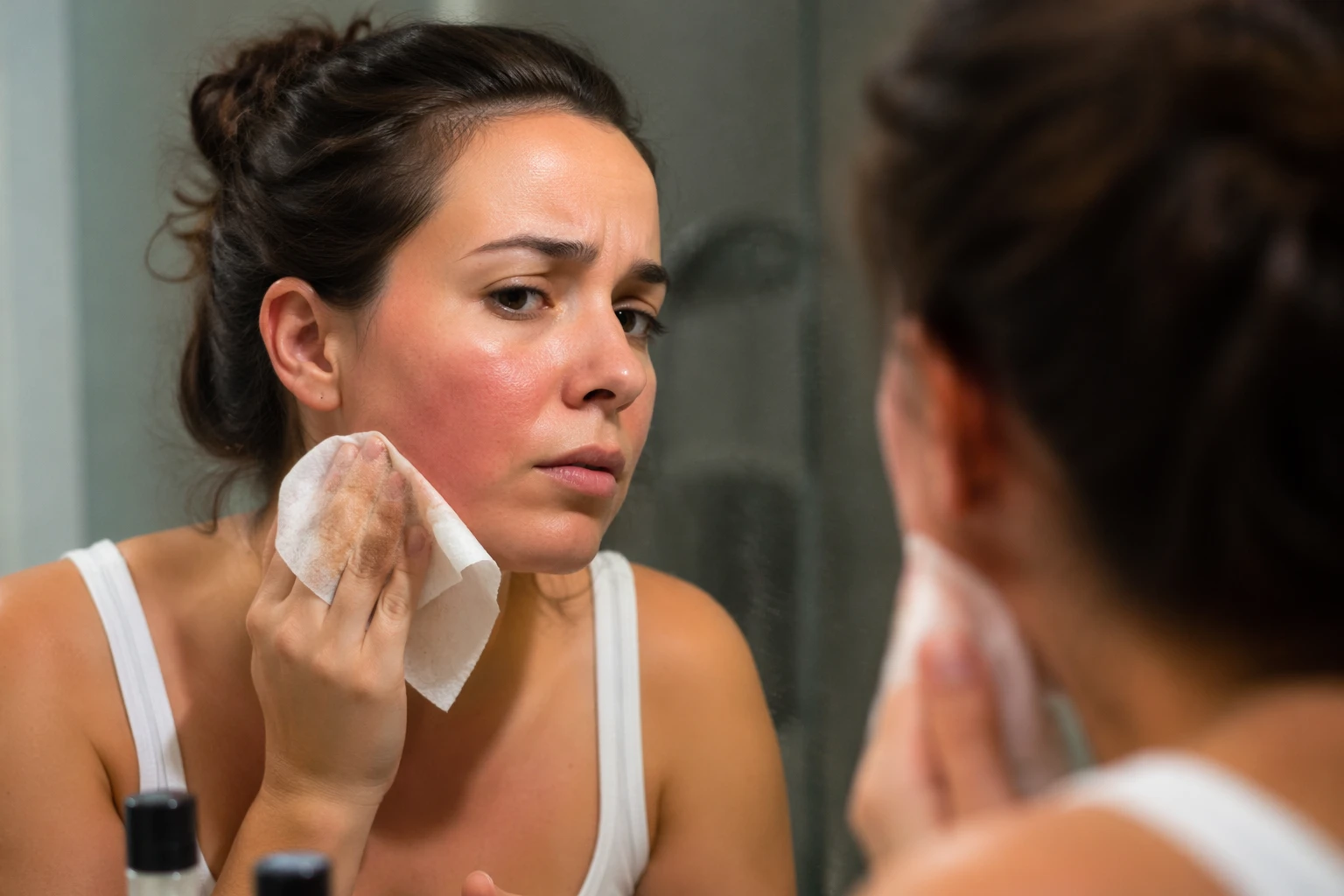
For most people, a simple cleanser and water do more work with less skin stress. The American Academy of Dermatology recommends a gentle, non-abrasive cleanser, lukewarm water, and your fingertips.
A fragrance-free makeup remover can still have a place, especially for waterproof cosmetics or heavier makeup, but it works best as a step before washing, not a substitute for washing. That approach reduces the chance that pigment, sunscreen, oil, and residue remain on the skin overnight, which is when people often notice clogged pores or irritation the next morning.
A practical routine looks like this:
• Remove makeup with a fragrance-free remover if needed.
• Follow with a gentle, non-abrasive cleanser.
• Use lukewarm water and fingertips only.
• Avoid washcloths, mesh sponges, and other abrasive tools.
• Keep washing to twice a day and after sweating.
That sequence is especially useful if you have acne-prone skin, because lingering residue can interfere with a clean skin surface, and over-scrubbing can aggravate breakouts instead of helping them.
Reading labels with skin sensitivity in mind
If your skin reacts easily, the label matters as much as the format. Fragrance-free is a better starting point than fragranced products, and rosacea-friendly formulas should avoid the irritants the American Academy of Dermatology flags, including alcohol, camphor, glycolic acid, lactic acid, menthol, sodium lauryl sulfate, and urea.
The preservative list deserves extra attention, too. Methylisothiazolinone and methyldibromo glutaronitrile have both appeared in case reports involving wipe-related dermatitis, so they are worth checking before you buy a product marketed as gentle. That kind of ingredient review is particularly important if you have reacted to wipes before, or if you have eczema around the eyes, cheeks, or hands.
The environmental debate is part of the same conversation
Environmental advocates have pushed for simpler, safer formulations across personal-care products, and the Environmental Protection Agency’s Safer Choice program points consumers toward products with safer ingredients.
The Environmental Protection Agency describes plastics as pervasive in natural and built environments and raises concerns about potential harm to humans and the environment.
Sources
- [1]nbcnews.com
- [2]aad.org
- [3]pubmed.ncbi.nlm.nih.gov
- [4]epa.gov