US News
Descendants of McKinley and Hoover reflect on presidential legacies
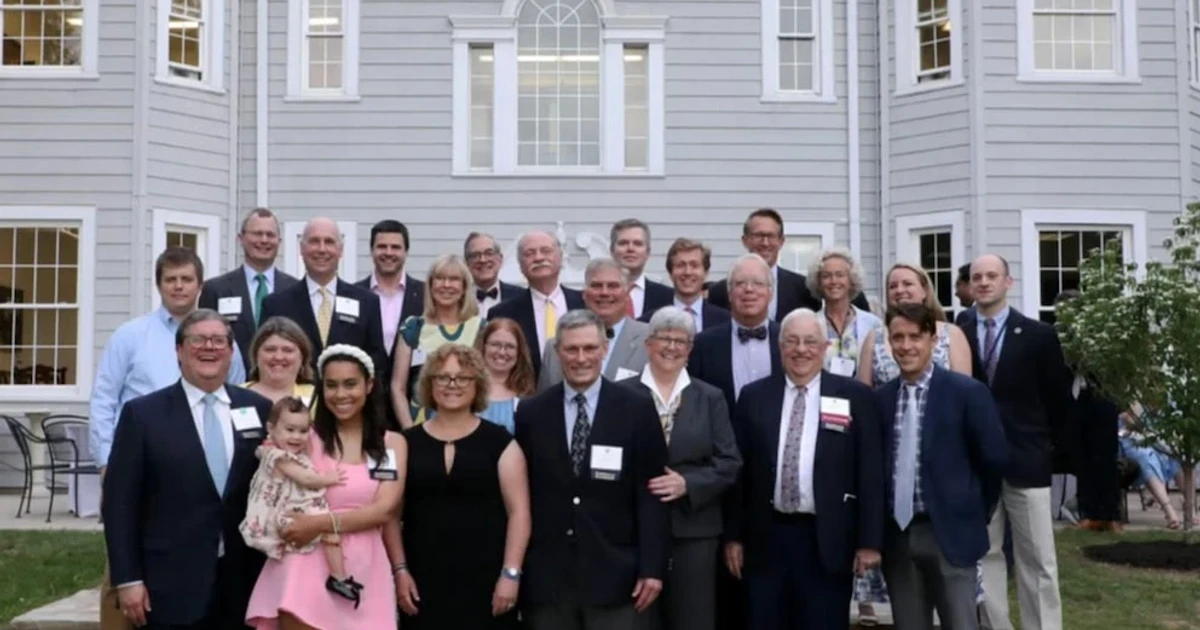
Descendants of William McKinley and Herbert Hoover are treating family history as a public reckoning, not a private tribute. Their stories ask what gets preserved, what gets corrected, and how a president’s reputation changes when later generations speak for the family name.
Family legacy becomes public history
ABC News aired the segment on July 3, 2026, as part of a broader look at descendants of former presidents reflecting on the weight of inherited memory. The conversation fits a larger pattern: presidential history is no longer confined to archives and monuments, but is being revisited in forums where relatives, scholars and supporters of presidential history sit in the same room.
The Society of Presidential Descendants describes itself as a forum for direct descendants of U.S. presidents, scholars and supporters of presidential history. That matters because the family voice can sharpen, complicate or even correct the polished version of a presidency that appears in textbooks and museum labels. In this setting, legacy is not just a matter of honor; it becomes a question of civic memory and historical interpretation.
ABC News has previously covered a Presidents’ Day gathering in Key West, Florida, where descendants of seven presidents shared stories about their ancestors. Among those named in that coverage were Tweed Roosevelt, Massee McKinley, Clifton Truman Daniel, James Earl Carter IV, Mary Jean Eisenhower and Ulysses Grant Dietz. Another Florida Keys forum, held at the Harry S. Truman Little White House, brought together relatives of six former presidents, including Massee McKinley, in a setting that tied family recollection to a historic political site.
Hoover’s story begins in West Branch
Herbert Hoover’s descendants inherit a legacy that starts far from Washington. Hoover was born on August 10, 1874, in West Branch, Iowa, and the Herbert Hoover National Historic Site preserves that story of simple beginnings. Official historical materials describe Hoover as a Stanford-educated mining engineer and humanitarian who rose from humble circumstances before becoming the 31st president of the United States.
That early life remains central to how his family and historians present him. The National Park Service says the historic buildings and landscape at the site commemorate Hoover’s life story, which places equal weight on birthplace, education and public service. The result is a legacy that reaches beyond his presidency alone and into the institutions built to interpret it.
Hoover’s great-grandchildren took part in that interpretation at the Herbert Hoover Presidential Library in West Branch in 2024, when they discussed his life and legacy on the 150th anniversary of his birth. The setting was significant: the family was not speaking in Washington, but at the place most closely tied to Hoover’s origin story. That choice reinforced a recurring theme in presidential memory, where the meaning of a life often depends on where it is told.
McKinley’s presidency still shapes party history
William McKinley’s legacy is anchored in a shorter and more abrupt presidency. He was the 25th president of the United States, serving from 1897 until his assassination in 1901. Historical references note that his presidency helped drive a long Republican realignment in industrial states, which gives his tenure relevance well beyond the years he spent in office.
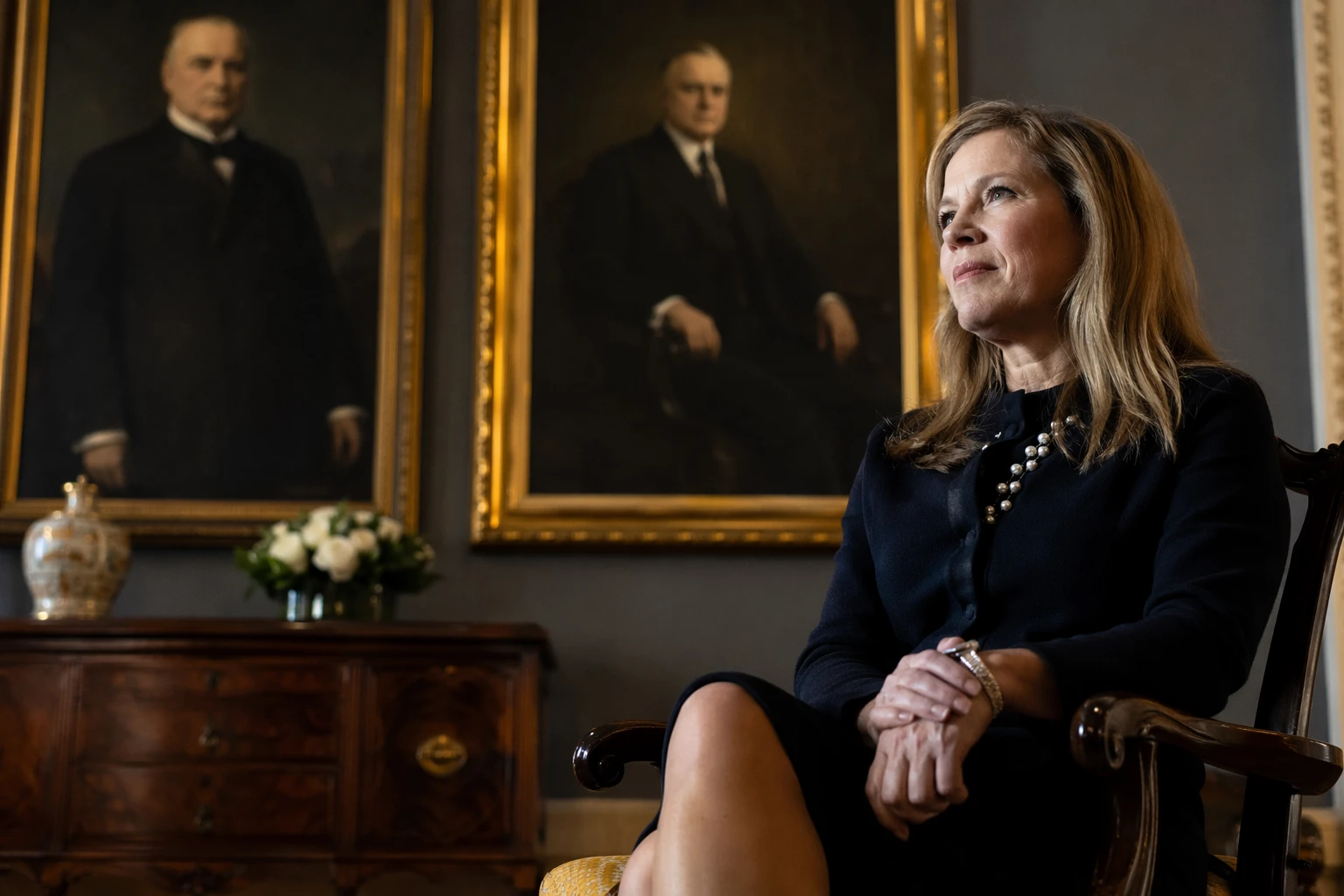
That political consequence is part of what descendants now carry forward. McKinley’s name is attached not only to personal lineage but also to an era when industrial growth, party organization and regional voting patterns were being reordered. When family members appear in public forums, they are not simply remembering a relative; they are also speaking from inside a political history that shaped the modern Republican coalition in key industrial areas.
Massee McKinley’s presence in the Key West family-history forum showed how that lineage continues to surface in public conversation. In the same broader circuit of descendant gatherings, presidential families are not presented as relics. They become a way to revisit the policies, coalitions and reputations that still frame the American political imagination.
What descendants preserve, and what they revise
These gatherings matter because descendants do more than repeat family praise. They preserve details that can disappear from simplified national narratives: Hoover’s birth in West Branch, his rise from humble beginnings, McKinley’s role in late 19th-century party realignment, and the fact that each presidency sits inside a larger political system of institutions, elections and historical memory.
They also revise the stories that surround those presidencies. Hoover can be reduced to crisis-era shorthand unless his early life, humanitarian work and engineering background are kept in view. McKinley can be flattened into assassination and era labels unless the political consequences of his administration are named directly. The family voice does not settle those questions, but it can force them back into the record with greater specificity.
That is why the locations themselves matter. West Branch gives Hoover’s family story a geographic anchor. Key West turns presidential memory into a public forum where descendants of multiple administrations appear side by side. The Harry S. Truman Little White House, the Herbert Hoover Presidential Library and the Herbert Hoover National Historic Site all show how institutions shape the way Americans inherit presidential history.
A legacy tested across generations
The larger test is whether a presidency survives as nostalgia or as evidence. In these descendant gatherings, the family name becomes a starting point for examining how Americans remember power, how institutions curate that memory, and how later generations decide which parts of a president’s life deserve emphasis.
For Hoover, the emphasis reaches from a small Iowa birthplace to the national stage he later occupied. For McKinley, it reaches from his 1897 to 1901 presidency to the party realignments that followed. Across both families, the conversation is less about reverence than about revision, and that is what gives these public reflections their force.
Sources
- [1]abcnews.com
- [2]nps.gov
- [3]home.nps.gov
- [4]c-span.org
- [5]wusf.org
- [6]societyofpresidentialdescendants.org
- [7]abcnews.go.com
- [8]raabcollection.com