Sports
Deschamps' squad flexibility could push France closer to World Cup glory
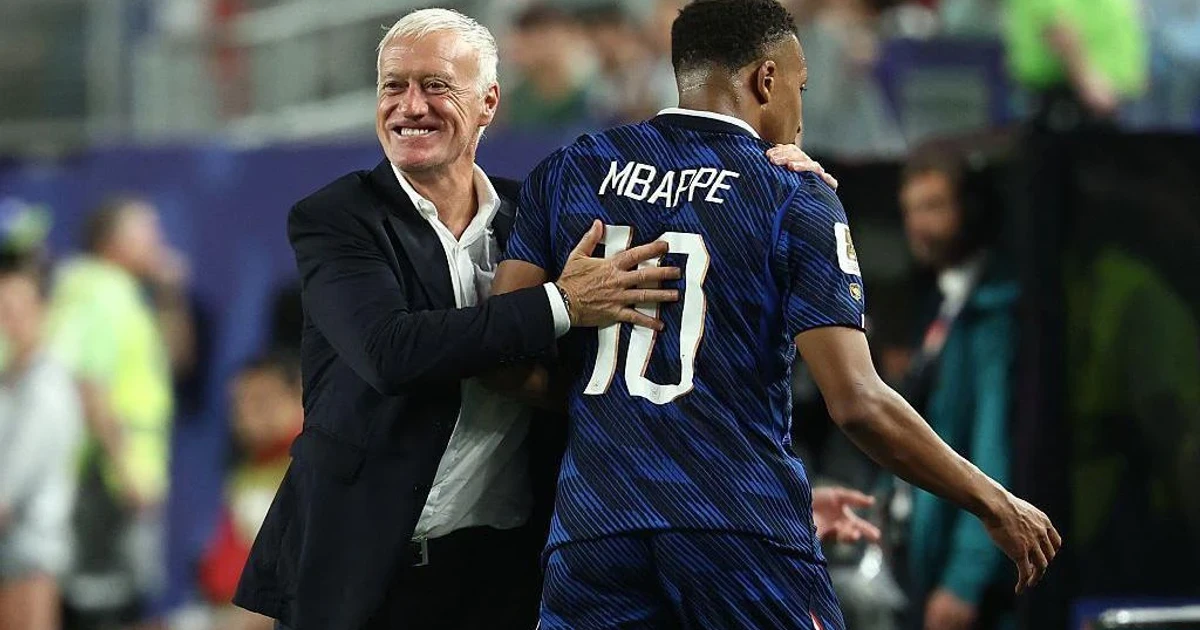
Didier Deschamps built France’s 2022 World Cup campaign on adaptability, not certainty. He filled 25 of the 26 squad places, brought 11 members of the 2018 title-winning group to Qatar, and kept reshaping responsibilities as injuries, absences and illness changed the picture around Kylian Mbappé, Antoine Griezmann and Hugo Lloris.
A squad built around overlap, not fixed roles
The core was familiar, but the margins mattered. Karim Benzema was initially included before withdrawing through injury, while Raphaël Varane and Olivier Giroud were carried despite fitness concerns. France also went without Paul Pogba and N’Golo Kanté, two midfield pillars from earlier campaigns, which forced Aurelien Tchouaméni and Adrien Rabiot into more prominent roles than many expected.
That mix told the story of Deschamps’ selection method. He did not simply stack the roster with headline names; he built a group that could survive change. FIFA’s squad list underlined that approach with surprise inclusions such as Camavinga and Ibrahima Konaté, while Mike Maignan and Presnel Kimpembe missed out. Steve Mandanda also remained in the picture as veteran goalkeeping cover behind Lloris, a sign that experience and trust still mattered in a squad filled with star power.
Deschamps’ real strength was managing status
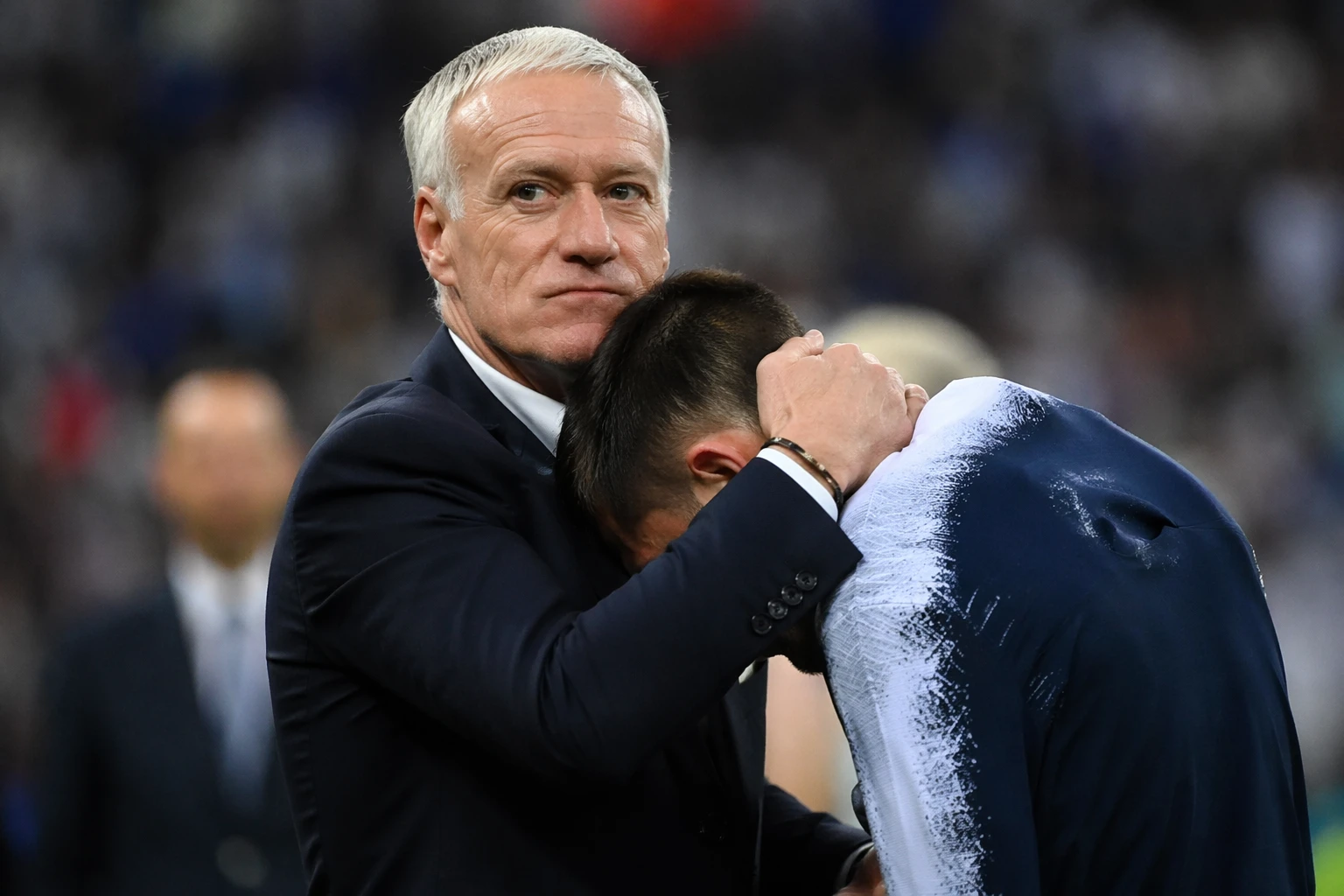
France’s depth in defense became one of the clearest signs that the manager was thinking in layers rather than labels. William Saliba, Dayot Upamecano, Jules Koundé and Konaté gave him options to alter the back line without changing the team’s identity, and that flexibility helped absorb the loss of certainty caused by the absence of Pogba and Kanté. The structure let Deschamps keep top-end quality on the field while moving players across roles as conditions changed.
That balancing act was also about personalities. Mbappé was the obvious attacking center of gravity, but Griezmann remained essential as a connector, and Lloris provided the authority that comes with leading a dressing room full of established winners. Deschamps’ job was not only to pick the best names, but to keep the hierarchy calm when the squad’s balance shifted around them.
Responsibility spread across the field
France’s midfield burden fell heavily on Tchouaméni and Rabiot, and that redistribution mattered because it gave the team a second way to control games. Instead of waiting for a fully healthy veteran spine to reappear, Deschamps pushed the next wave of midfielders into the center of the project. That meant France could keep moving even without the 2018-era certainty that had previously defined the side.
The same logic applied at the back. With Varane selected despite fitness concerns and Upamecano, Konaté, Koundé and Saliba all available, Deschamps had enough defensive depth to adjust from match to match. In a tournament decided by fine margins, that kind of coverage is not just insurance. It is a leadership tool, because it allows the manager to protect the team from the ripple effects of one injury or one bad day.
The virus before the final tested that depth again
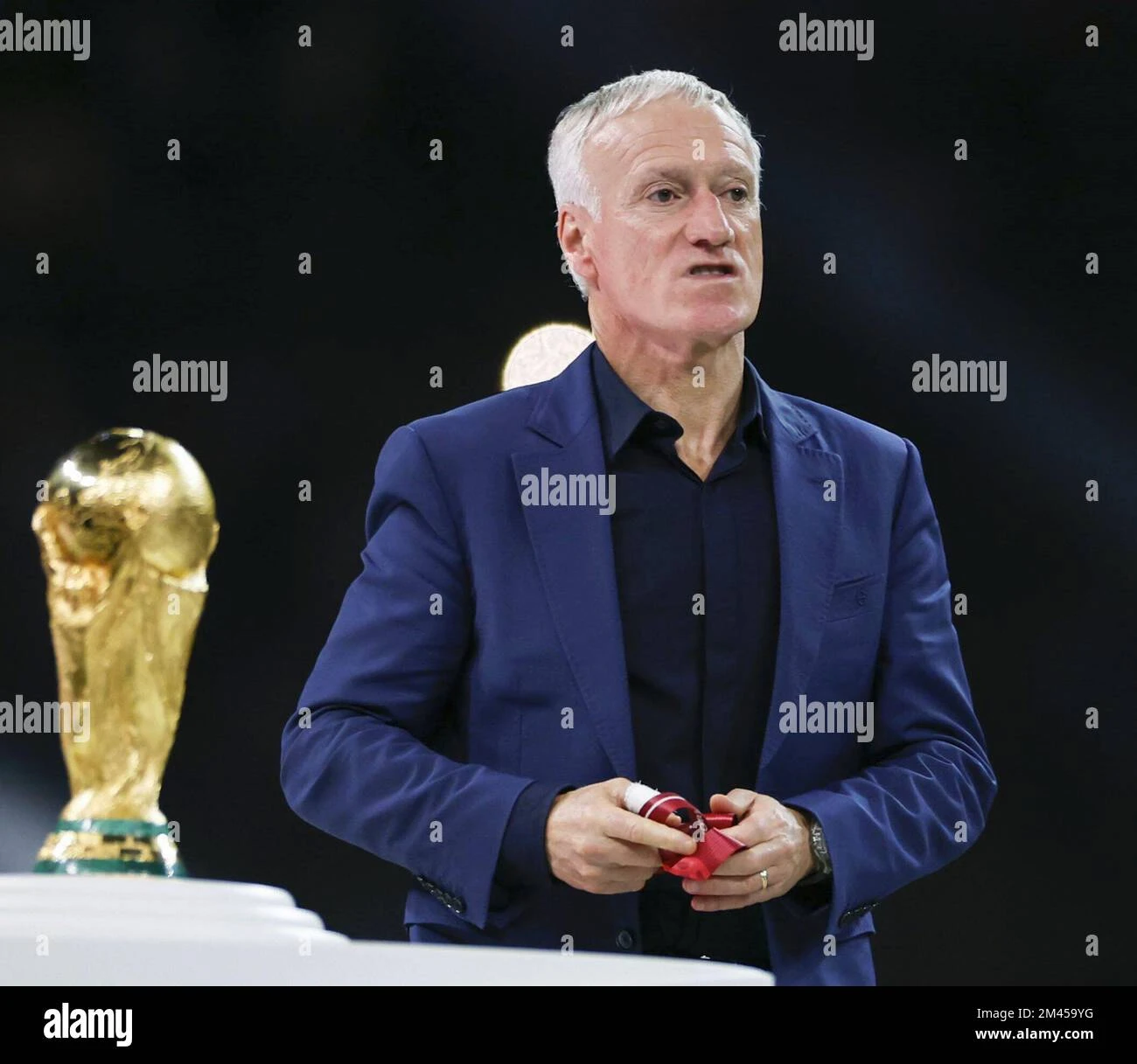
France’s flexibility mattered most when the squad was hit by a virus before the final. Dayot Upamecano, Ibrahima Konaté, Raphaël Varane, Adrien Rabiot and Kingsley Coman were all affected, and the timing threatened to unsettle the entire buildup to the decisive match. Deschamps urged the squad to adapt and stay calm, and most of the players recovered in time.
That episode sharpened the case for his approach. A rigid squad, built around fixed pairings and a narrow rotation plan, would have been far more exposed. France instead reached the final with enough depth in reserve, enough experience in the room and enough positional overlap to absorb another shock at the worst possible moment.
The final underlined both the power and the limits of the plan
France still fell short, losing to Argentina on penalties after an extraordinary 3-3 draw in the final. The result left them runners-up in Qatar and stopped them from becoming the first team since Brazil in 1962 to defend the World Cup. Yet the performance also showed why this France side remained so dangerous: even when the night tilted against them, they had the attacking force to drag the match back into contention.
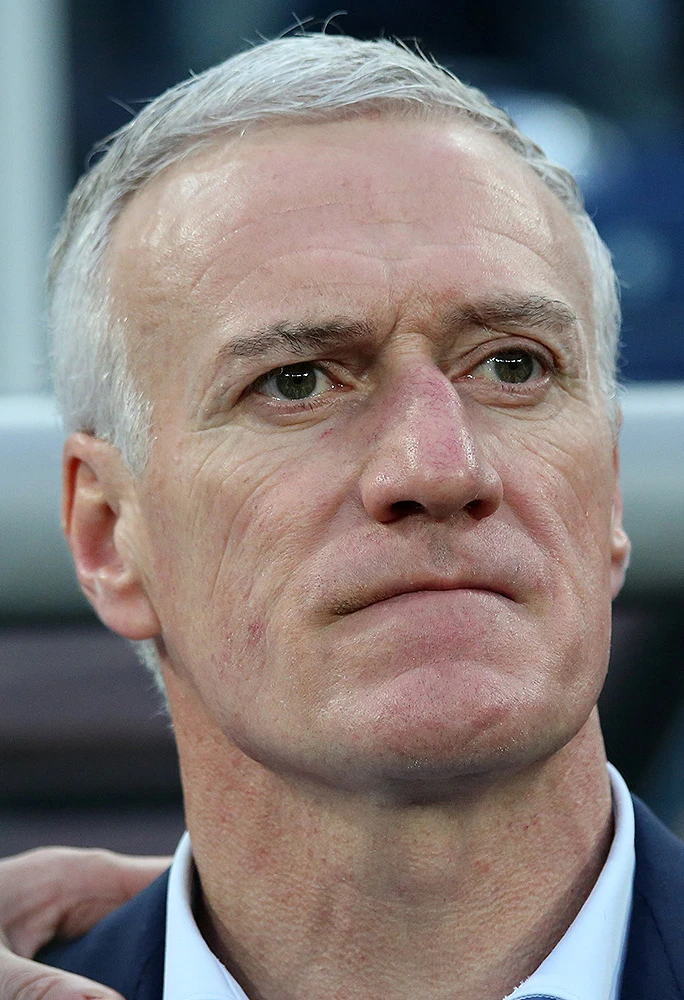
Mbappé produced the defining individual display, scoring a hat-trick in the final and finishing the tournament with eight goals. Lloris added another layer of history by becoming France’s most-capped player with 145 appearances, while Giroud ended the campaign as the national team’s all-time leading men’s goalscorer on 53. Those numbers capture the scale of the squad Deschamps managed: a team with a record-setting captain, a record-setting striker and a forward who could decide a final alone.
The homecoming reflected the scale of the effort
The disappointment in Qatar did not erase the connection France had rebuilt with its supporters. Thousands of fans gathered in Paris at Place de la Concorde to welcome the team home, and Deschamps appeared alongside Lloris on the balcony of the Hotel de Crillon. The scene said as much about the manager’s authority as any tactical board could have done: France had gone deep in the tournament because the squad stayed unified under pressure.
That cohesion is the edge Deschamps keeps manufacturing. France’s talent is obvious, but the deeper advantage is the ability to reassign roles without losing shape, status or belief. In a World Cup where injuries, illness and selection gambles all surfaced at once, that flexibility was the reason France came so close to the title again.
Sources
- [1]bbc.co.uk
- [2]france24.com
- [3]uefa.com
- [4]onmanorama.com
- [5]standard.co.uk
- [6]fifa.com