Lifestyle
Design Trends Move Fast but Cultural Memory Endures
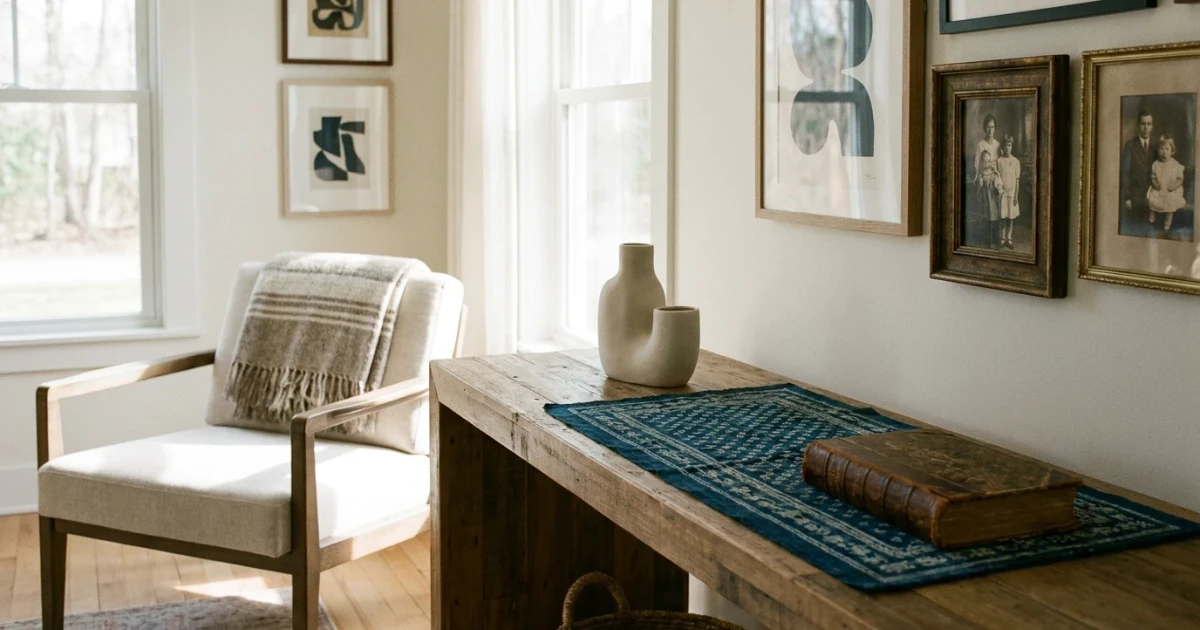
Interior design is a field defined by constant reinvention. New palettes, materials, and layouts cycle in and out of popularity within just a few years. But beneath these swiftly turning trends lies something deeper: a cultural memory that continues to influence how we shape our living spaces, even as styles change. Recent analysis from Home Accents Today highlights the tension and interplay between these two forces.
Short Design Cycles and Consumer Demand
The interior design industry is characterized by short, often seasonal design cycles. As reported by Home Accents Today, what’s in vogue today—be it minimalist decor, bold patterns, or a resurgence of mid-century modern—can be outdated within a year or two. This rapid turnover is fueled by a blend of consumer appetite for novelty, advances in manufacturing technology, and the influence of social media. According to industry statistics, the global interior design market sees billions of dollars in home accents and flooring sales each year, with trends cycling quickly to meet evolving tastes.
- Design cycles often last just 1-3 years before a new trend emerges.
- Consumer spending on home decor and accents continues to climb, driven by online inspiration and fast-moving retail models.
Cultural Memory’s Lasting Influence
While design cycles are short, Home Accents Today points out that cultural memory stretches across generations. This concept refers to the collective ways a society remembers and transmits traditions, aesthetics, and values. Even as new trends emerge, echoes of the past persist. For example, many contemporary designs borrow motifs from historical styles such as Art Deco, Victorian, or Scandinavian minimalism. The Met’s timeline of interior design history demonstrates how each era layers upon the previous, creating a visual conversation across time.
- Traditional patterns and materials often resurface, adapted for modern tastes.
- Cultural shifts—like the rise of open-plan living—reflect broader social changes in family life and work.
Similarly, research from the Pew Research Center shows how American family structures and lifestyles have changed, but homes still retain elements that speak to collective memory, such as heirloom furniture or architectural details reminiscent of past generations.
The Push and Pull of Innovation and Tradition
Industry analysts and historians agree that design cycles and cultural memory operate in a dynamic balance. Fast fashion in decor creates opportunities for experimentation, but lasting design tends to draw from deeper cultural roots. The ongoing popularity of vintage and retro-inspired pieces reflects a desire for continuity amid change. As the Library of Congress’s American Memory collection illustrates, artifacts from past eras continue to inform our design vocabulary today.
- Short-term trends may dominate store shelves, but long-term values shape the foundation of interior design.
- Designers often blend the latest colors or materials with timeless layouts or culturally meaningful objects.
Looking Forward: How Memory and Design Intersect
As the interior design industry grows, with increased business activity in design-related sectors, the interplay between fast-cycle trends and enduring cultural memory will continue to define our living spaces. For homeowners and designers alike, the challenge is to balance the excitement of the new with the resonance of the old. By understanding both the rapid pace of design cycles and the power of cultural memory, we can create homes that are both stylish and meaningful, reflecting not just what’s popular today but also the stories that connect us to our past.