World
Details Emerge on New US-Iran Deal After Trump’s Announcement
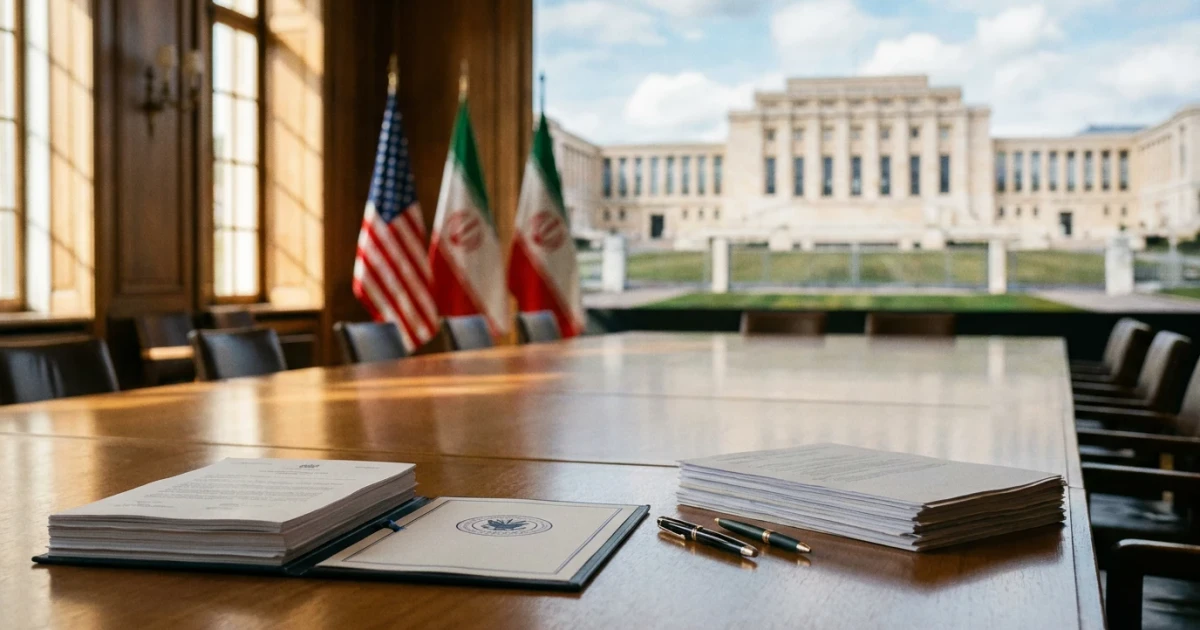
Fresh details are coming to light regarding the latest agreement between the United States and Iran, following a public announcement by former President Donald Trump indicating progress in negotiations. The deal—potentially impacting nuclear oversight, sanctions relief, and regional security—marks the most significant diplomatic development between the two nations in recent years.
Key Elements of the Emerging Agreement
According to reports from AP News and corroborating analysis from The New York Times, the preliminary terms of the deal appear to address some of the core issues that have long defined US-Iran relations. While both sides have not released a full text, officials and analysts have outlined several likely components:
- Nuclear Program Limits: Iran is expected to agree to limit uranium enrichment and allow enhanced international inspections by the International Atomic Energy Agency. This would mark a return to frameworks similar to the 2015 Iran nuclear deal.
- Sanctions Relief: The US would ease some economic sanctions imposed on Iran, particularly those targeting financial institutions and exports. However, some restrictions related to terrorism and missile development are expected to remain in place, in line with the Countering America's Adversaries Through Sanctions Act (CAATSA).
- Prisoner Exchanges: As in past partial agreements, the deal may include the release of detained dual nationals and prisoners held by both countries.
- Regional Security: While not yet finalized, the framework is expected to include language on reducing regional tensions, particularly related to maritime security in the Persian Gulf and support for proxy groups.
Background and Context
Relations between the US and Iran have been tense since the US withdrawal from the original nuclear deal in 2018. Subsequent years saw escalating sanctions, military confrontations, and a rapid expansion of Iran’s nuclear program. The current agreement, while still provisional, represents a cautious step toward de-escalation.
Trump’s announcement, made in a live televised address, was short on specifics but signaled a willingness from both sides to negotiate. According to AP News, US officials described the talks as “constructive” but stressed that several hurdles remain before a final agreement is signed.
Challenges and Differing Perspectives
Despite the apparent progress, there are notable differences in interpretation between US and Iranian officials. American sources emphasize the importance of snap-back sanctions in case of non-compliance, while Iranian media have highlighted the need for a “dignified and complete” lifting of economic restrictions.
Analysts cited by The New York Times note that while the outlines of the deal are reminiscent of past agreements, enforcement and verification mechanisms remain a sticking point. International observers, including the United Nations, have called for transparent reporting and ongoing verification to ensure compliance with the terms. For readers seeking a deeper legal background, the UN Security Council Resolution 2231 materials provide key documents relevant to the nuclear deal’s implementation.
Regional and Global Implications
Regional allies, particularly Israel and Gulf Arab states, have expressed concern about the scope and durability of the agreement. Many worry that partial sanctions relief could enable Tehran to maintain support for non-state actors in the region. Meanwhile, European countries have broadly welcomed the talks, urging both sides to reach a lasting diplomatic solution.
What Comes Next?
With negotiations ongoing, much remains uncertain. The final agreement will likely depend on technical details regarding inspections, sanctions waivers, and timelines for implementation. Both sides face domestic political pressures: US lawmakers are divided on the wisdom of renewed engagement, while Iranian leaders must balance economic relief against national pride and security concerns.
As further details emerge, the coming weeks are poised to be decisive. The international community will be watching closely for concrete steps toward implementation, verification, and lasting stability in US-Iran relations.