Entertainment
Detroit dance floors still feel free, rooted in techno legacy
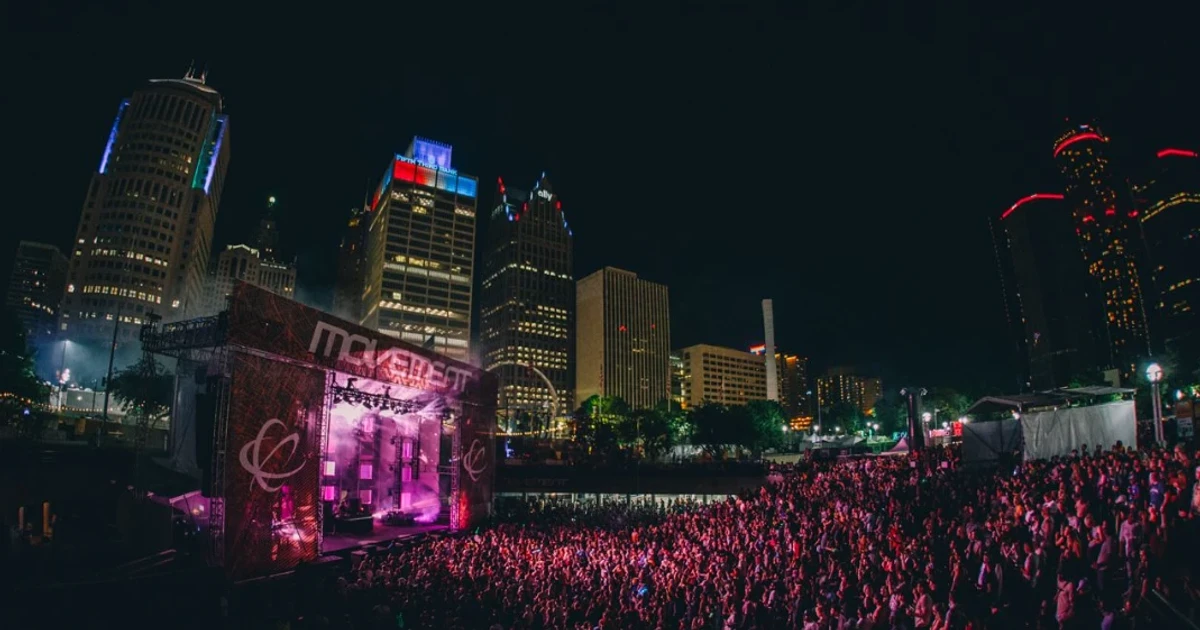
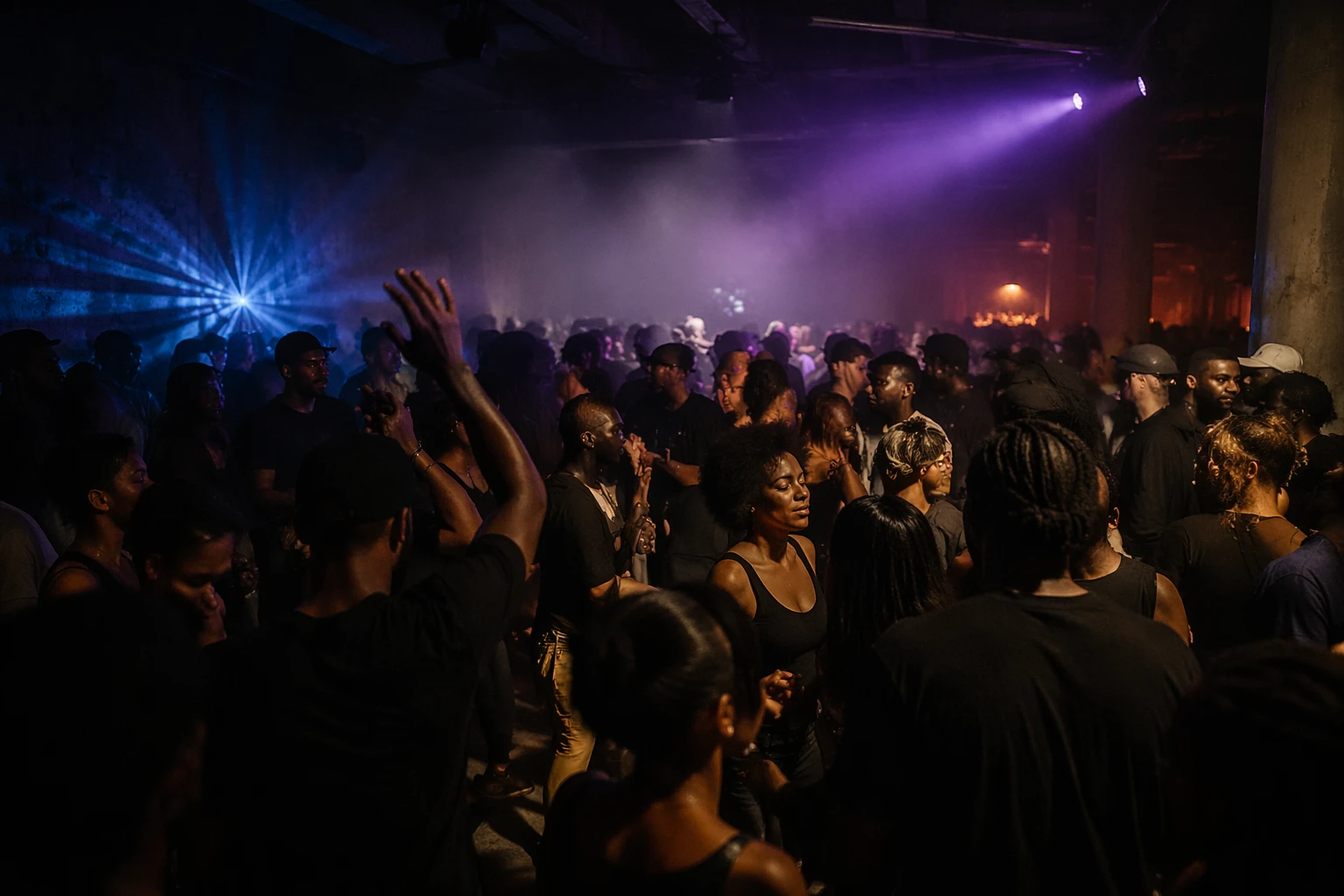
Detroit still offers a rare kind of night out: one where the point is not to perform for a phone camera, but to join a room that already knows how to move together. That feeling comes from a dance culture shaped by Black creativity, community memory, and resistance, and it helps explain why the city reads as a counterargument to algorithm-driven nightlife elsewhere.
A dance floor built on participation
Detroit’s legacy is bigger than club culture. Visit Detroit’s own dance history overview includes Motown, the Detroit Jit, ballroom, hustle, and techno, which makes the city’s movement culture feel less like a scene and more like a civic language. In a city where social dancing has long been tied to neighborhood life, the dance floor is not simply entertainment. It is a place where people participate, recognize one another, and carry history forward through rhythm and repetition.
That matters now because so much contemporary leisure has become self-conscious and image-based. Detroit’s better dance spaces still reward presence over pose, and that difference is not cosmetic. It reflects a deeper social ethic: you come to belong to the room, not to dominate it.
From Motown to techno, with a long gap in between
The city’s techno story is well known, but the period that made it possible is just as important. Motown left Detroit for Los Angeles in 1972, and later accounts describe the city’s 1973 to 1985 dance-music period as influential but under-recognized. The easy myth is that Detroit went quiet and then techno appeared as a miracle. The harder truth is that the music never vanished. It changed form, moved underground, and kept evolving in local spaces that were not built for spectacle.
That evolution is why Detroit is widely credited as the birthplace of techno. Historical accounts place the genre in basement studios and concerts held in abandoned Detroit warehouses, and the sound is commonly linked to Juan Atkins, Derrick May, and Kevin Saunderson, the Belleville Three from Belleville, Michigan. Just as important as the names is the geography: techno was developed in Detroit, not imported from Berlin or London. The city’s early-1980s club ecosystem filled the gap left after Motown’s departure, and it turned industrial vacancy into cultural invention.
The scene is still alive, not frozen in nostalgia
Detroit’s dance culture is not a museum piece. Movement Detroit remains a major techno festival in the city, and the broader ecosystem still includes venues, record shops, and local landmarks that keep electronic music rooted in place. That continuing infrastructure matters because scenes do not survive on reputation alone. They survive when people still gather, buy records, teach steps, and treat dance as an everyday practice rather than a heritage brand.
A 2024 local feature on Detroit hustle culture makes that especially clear. It documented classes and community gatherings at Detroit Blues Cafe, where dancers come together around choreography, camaraderie, and social memory. Hustle is significant here because it shows Detroit dance culture as something passed between people, not packaged for outsiders. The city’s most durable dance traditions are still taught in public, where the social value of dancing is visible in real time.
Why the city’s dance history carries social weight
Detroit’s movement culture is tied to Black creativity, but it is also tied to the city’s political history. Local arts coverage connects Detroit dance history to the Civil Rights Movement and broader civil unrest, which helps explain why dance here is often framed as more than nightlife. It can be a form of continuity after rupture, a public practice that holds beauty, history, and resistance in the same step.
That social meaning has public-health implications, too. Community dancing reduces isolation, creates low-barrier social connection, and gives people a shared structure for joy at a time when many forms of leisure are privatized or mediated by screens. In a city long shaped by disinvestment and reinvention, a strong dance culture is not trivial. It is part of the social infrastructure that helps people feel seen without having to sell themselves.
Dance as civic identity
Detroit’s public life still makes room for that ethic. Mary Sheffield, who won the mayoral election in November 2025 and became the city’s first woman mayor, was seen dancing during her post-election celebration with elderly residents. The moment was more than a viral clip. It showed that in Detroit, dance can still function as civic expression, a way of signaling connection between leadership, community, and the city’s cultural memory.
That is what sets Detroit apart. Its dance floors are not free because they are casual or trend-proof. They feel free because they were built by communities that treated movement as a shared right, a survival practice, and a form of beauty. In the age of algorithm-shaped leisure, that remains a powerful cultural counterargument.