Business
Detroit’s EV retreat risks ceding the future to foreign rivals
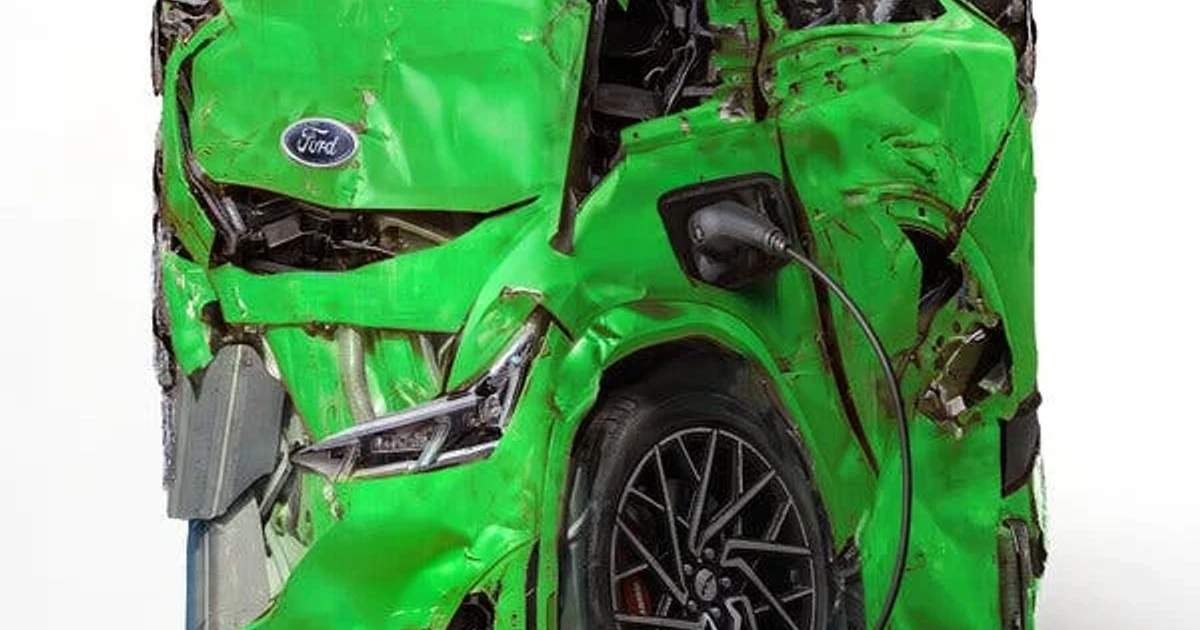
Global electric-car sales topped 20 million in 2025, and the International Energy Agency said one in four new cars sold worldwide was electric. Yet Ford, General Motors and Stellantis are pulling back from EVs in the United States, a retreat that could leave the domestic industry trailing rivals that are still scaling production, batteries and software at speed.
The U.S. market is not starting from zero. Argonne National Laboratory says more than 5.7 million EVs are already on American roads, and more than 1.5 million were sold in 2024, about 9.9% of all cars and trucks sold. Cox Automotive said 2025 was the second-best year on record for U.S. EV sales, even after market share slipped to 7.8% from 8.1% a year earlier.
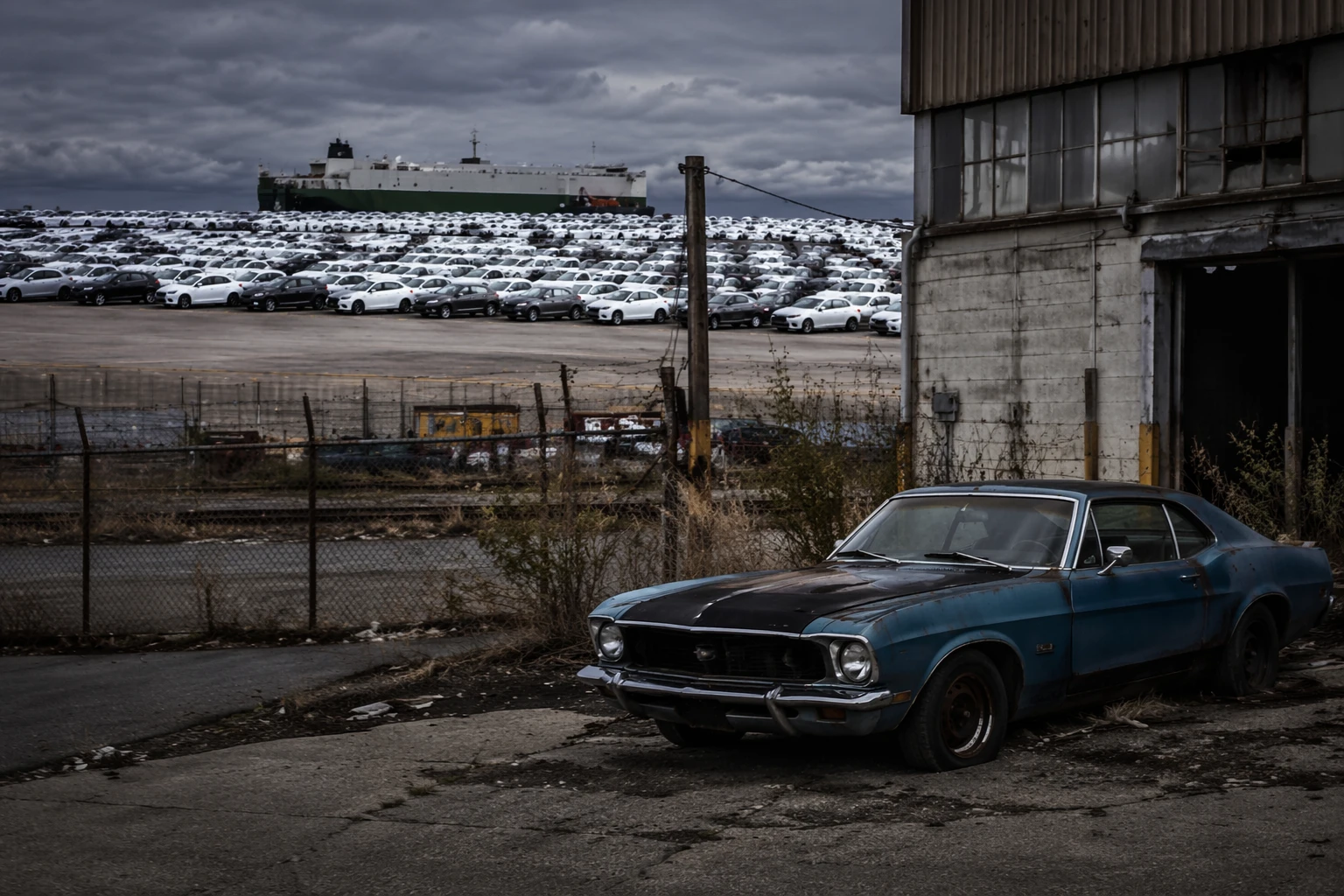
That slowdown matters because the American market is still running well below the world average. U.S. EV penetration hovers around 10%, far short of the pace in China and Europe, where demand continues to be driven by broader model availability and deeper charging networks. The International Energy Agency projected that global EV sales would reach about 23 million in 2026, equal to roughly 28% of worldwide car sales, extending the gap between the U.S. and the markets that are setting the industrial pace.
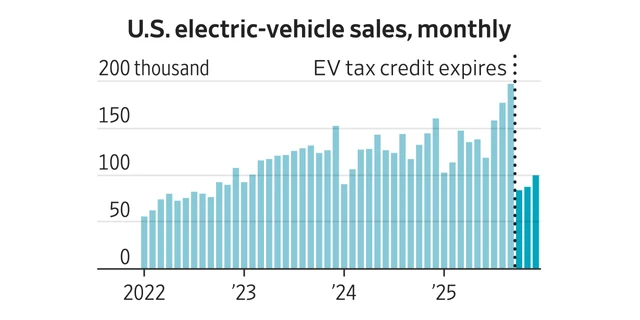
Federal incentive changes helped reshape the U.S. sales pattern in 2025, with a sharp drop in the fourth quarter after buyers rushed to qualify earlier. Even with that volatility, the basic trend remains clear: the global market is still moving toward cheaper EVs and hybrids, while battery costs continue to fall. That leaves Detroit in a difficult position, because short-term profits from gas-powered trucks and sport utility vehicles can look safer than a faster pivot into electrification.
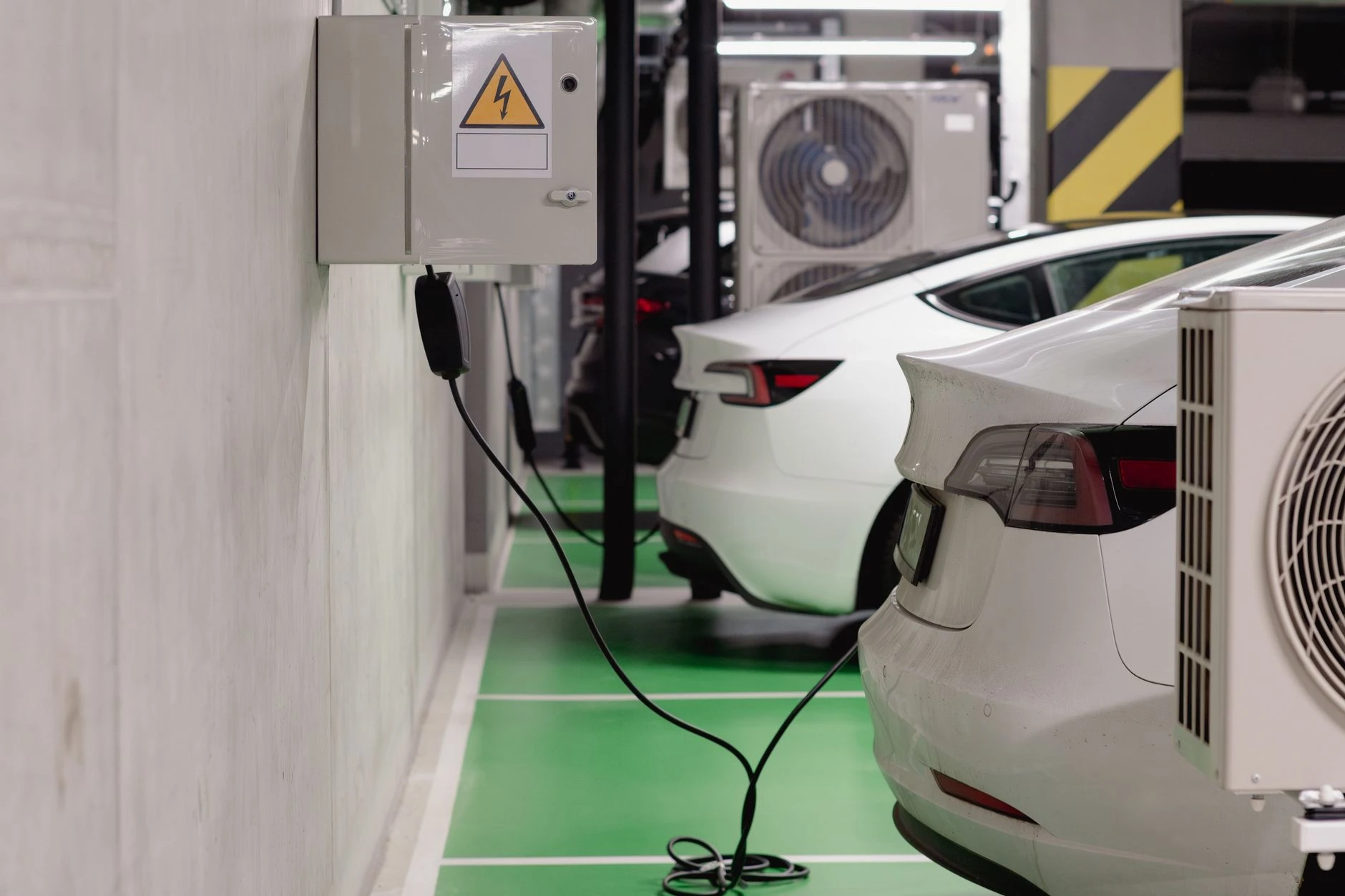
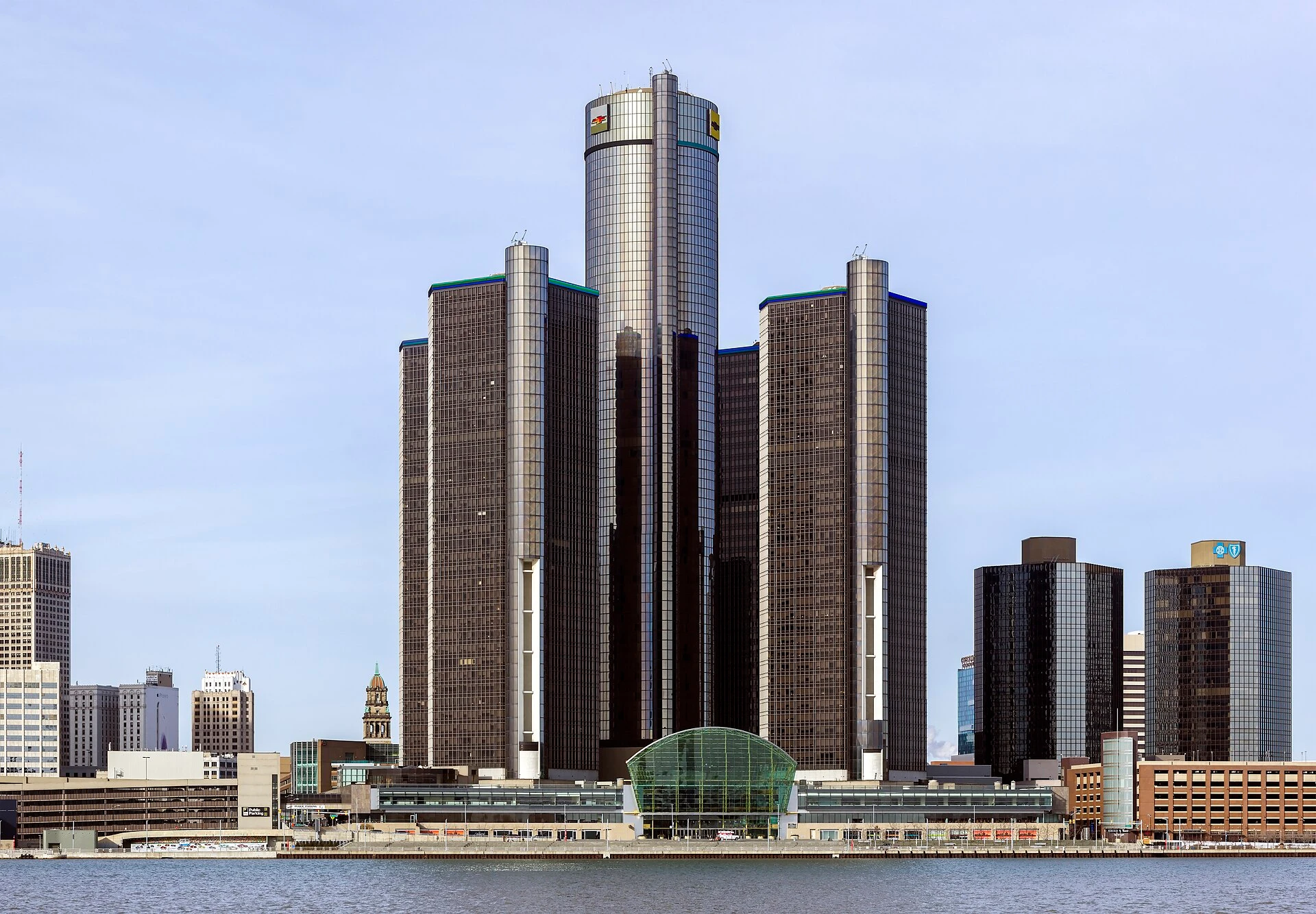
The industrial risk is bigger than a single model cycle. If Ford, GM and Stellantis slow their EV plans too far, they may preserve margins in the near term while ceding battery investment, supplier growth and manufacturing jobs to competitors already building scale. Chinese brands and European automakers are still pushing hard into electrification, and every year of hesitation gives them more time to widen the lead.
Sources
- [1]nytimes.com
- [2]anl.gov
- [3]coxautoinc.com
- [4]iea.org
- [5]wri.org
- [6]autosinnovate.org