Science
Devon farmer warns crops may have to be sacrificed as drought deepens
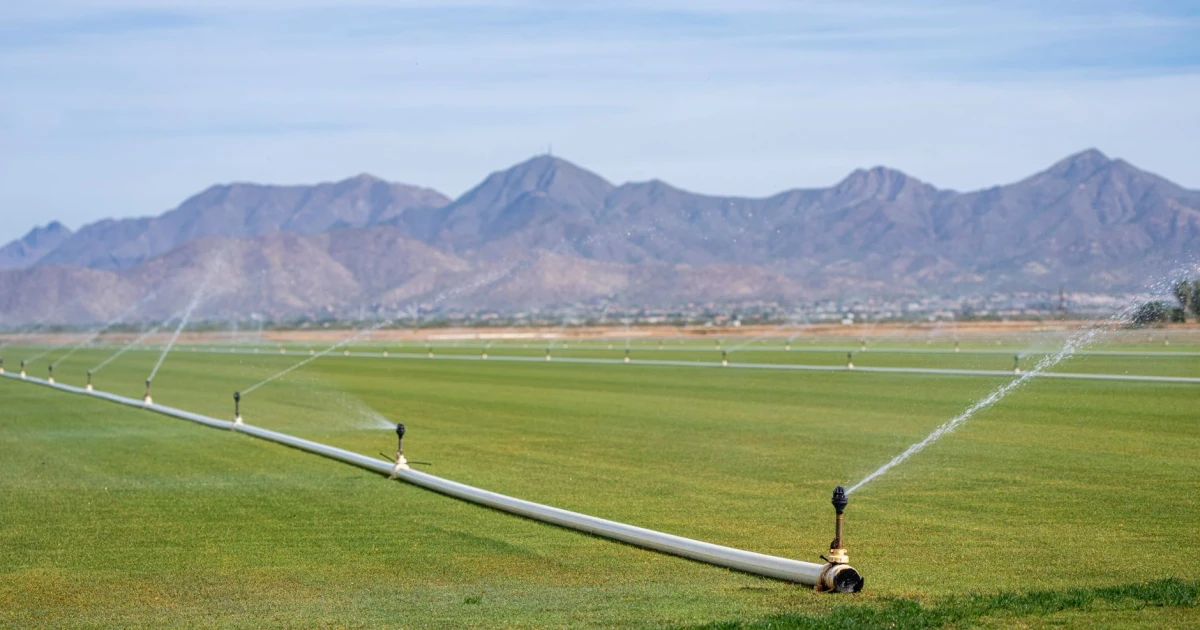
Devon, Cornwall and the Isles of Scilly were declared in drought in July 2026 after prolonged dry weather tightened water supplies across the South West. Guy Singh-Watson, who runs Riverford Organic Farmers in Buckfastleigh, Devon, warned that staff could have to choose which crops to water and which to let die "within weeks" and said it should be easier and faster to secure permissions for on-farm storage such as irrigation ponds.
The warning carried extra weight because Riverford has already been through severe water stress. In an August 2022 dry spell, Singh-Watson said the year was "the worst year in 35 years" for water levels, and Riverford's reservoirs had completely run dry. For a vegetable-box business that depends on a steady flow of produce, empty reservoirs do not just threaten one field; they threaten the supply chain that moves food from farm to customer.
The drought in Devon and Cornwall was part of a wider regional squeeze. The Environment Agency and government said more than half of England was officially in drought in the same period, while the Met Office said extreme weather was becoming the new normal for the UK. Holidaymakers in the South West were also urged to use water wisely as the dry spell continued to strain supplies.
Farmers across the region have described immediate losses. Ed Rhodes, another Devon grower, said he was losing thousands of pounds of crops in the same weather. When rainfall stays low and evaporation rises, growers face stressed plants, lower yields and higher costs, and some harvests can fail outright.
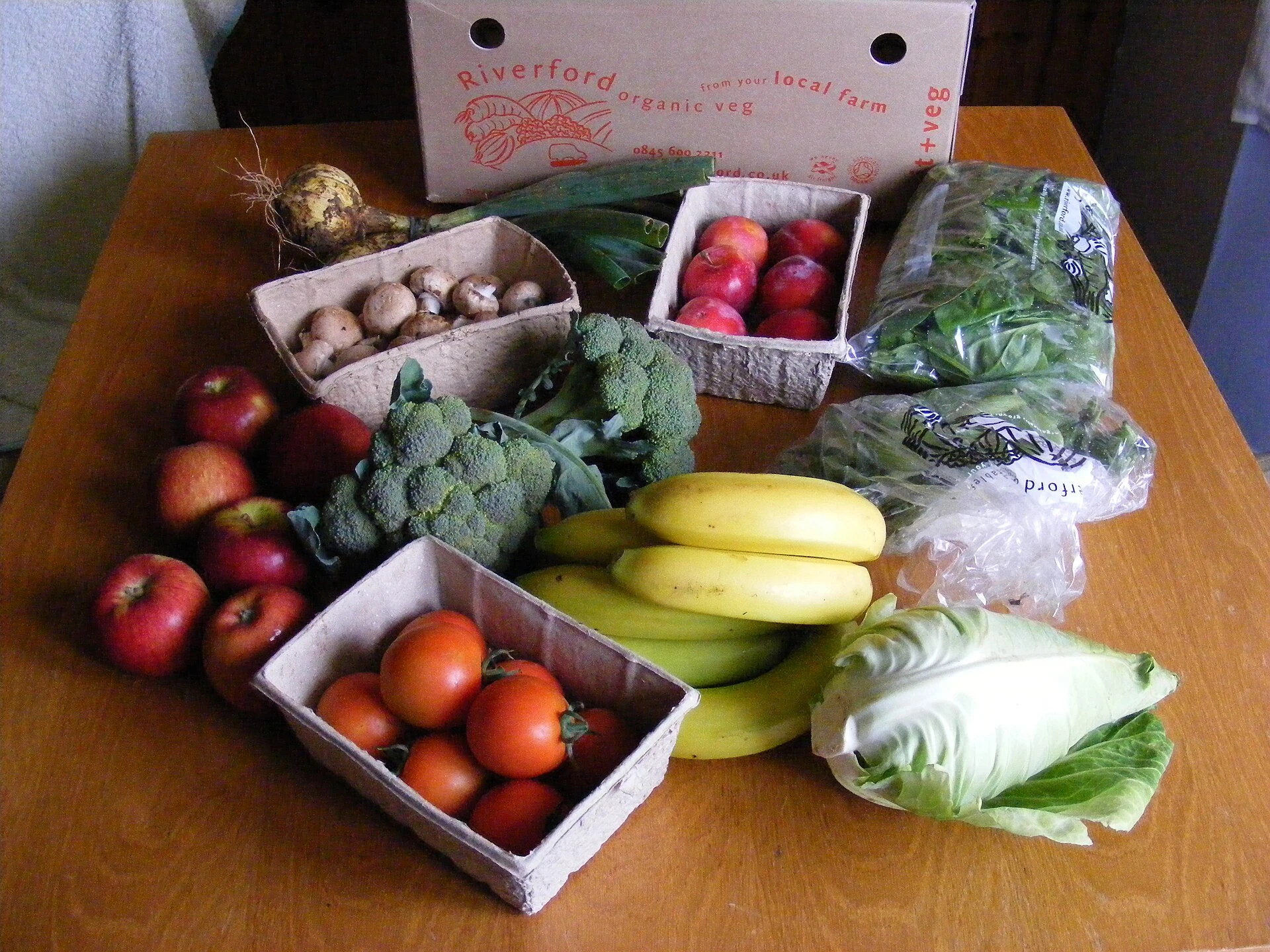
The pressure is pushing water policy to the center of farm planning. South West Water says it has a drought plan covering its supply area and Bournemouth Water, but Singh-Watson's call for faster approval of irrigation ponds points to a more basic problem: farms need storage before the dry months arrive, not after reservoirs have already run empty. If the dry conditions continue, growers will face bigger bills, less reliable harvests and harder choices over which crops survive.
Sources
- [1]bbc.com
- [2]gov.uk
- [3]southwestwater.co.uk