Politics
DHS Operations Impacted Amid Partial Government Shutdown
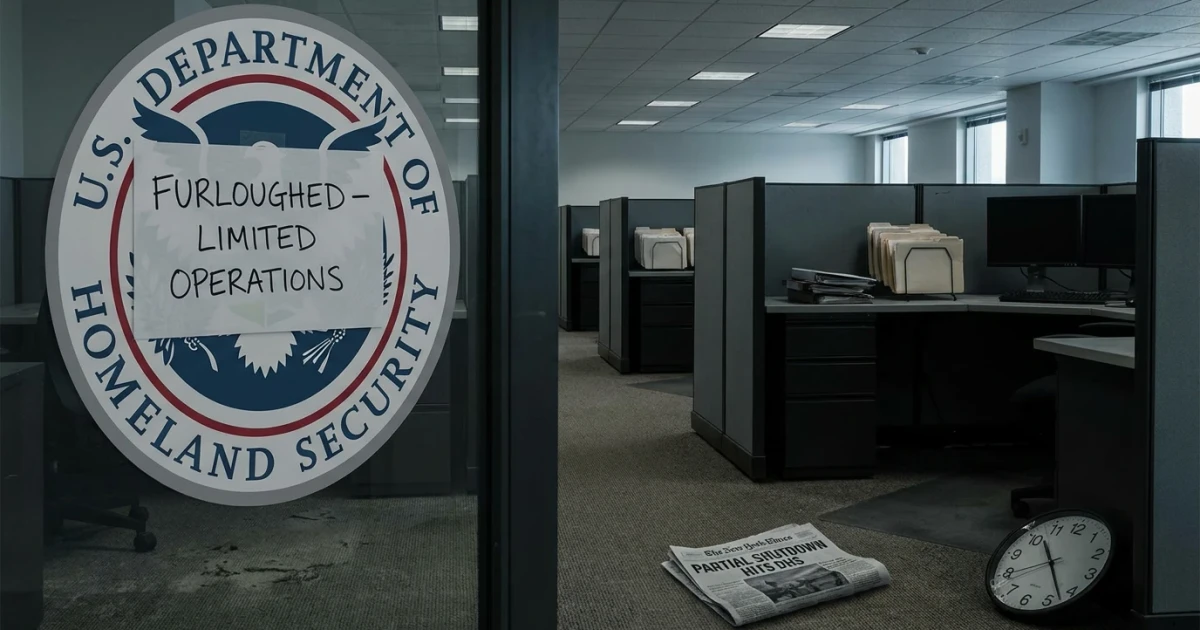
The Department of Homeland Security (DHS) is facing persistent challenges as a partial government shutdown stretches on, disrupting a range of services and raising questions about the agency’s ability to fulfill its core mission. As reported by The Providence Journal, the shutdown has led to widespread uncertainty among federal employees and the public, with key operations subject to funding gaps and operational delays.
What Is a Partial Government Shutdown?
A partial government shutdown occurs when Congress fails to pass appropriations bills that fund certain federal agencies. While some departments continue to operate, others—including DHS—are affected by a lack of funding. The Appropriations Status Table provides real-time updates on the status of appropriations bills and which agencies are currently funded or pending. According to The Providence Journal, the current shutdown is partial, meaning not all parts of the federal government are affected, but DHS is among those impacted.
How DHS Is Affected
- Essential vs. Non-Essential Staff: DHS distinguishes between essential employees who continue to work during the shutdown and non-essential staff who are furloughed. The Office of Personnel Management provides guidance on how federal furloughs are implemented, including statistics on affected employees.
- Core Services: Essential operations such as border security, airport screening by TSA, and emergency response continue, but non-essential programs and administrative tasks are paused.
- Employee Impact: Furloughed staff face uncertainty about pay and job security, with back pay typically provided once funding is restored. The Congressional Budget Office has analyzed shutdown impacts, noting the financial strain on federal workers and potential disruptions to public services.
Operational Disruptions and Public Concerns
While DHS’s essential functions remain operational, the shutdown has led to delays and reduced capacity in non-critical areas. The Providence Journal notes that:
- Processing of immigration applications and other administrative duties have slowed.
- Public-facing offices may be closed or operating with limited hours.
- Contractor projects and grant programs are on hold until funding resumes.
The DHS organizational structure includes agencies such as FEMA, TSA, and Customs and Border Protection, each of which has identified which functions are deemed essential during a shutdown.
Historical Context and Economic Impact
Partial shutdowns have occurred multiple times in U.S. history. According to the Congressional Research Service, such funding gaps can lead to significant economic consequences, including delayed government contracts and reduced consumer confidence. The Government Accountability Office provides detailed reports on costs and operational impacts, highlighting how shutdowns disrupt agency budgets and public services.
Key Statistics:
- Thousands of DHS employees are currently furloughed or working without pay.
- Essential services such as border protection and airport security remain active, but administrative backlogs are growing.
- Previous partial shutdowns have cost the federal government hundreds of millions of dollars, according to CBO data.
Looking Ahead
As negotiations continue in Congress, there is hope for a resolution to restore full operations at DHS. The ongoing funding gap underscores the delicate balance between maintaining essential services and supporting the broader workforce. Analysts warn that prolonged shutdowns could have lasting effects on morale and operational efficiency within DHS and other federal agencies.
For readers seeking more information on DHS’s status, furlough guidance, or the economic impact of shutdowns, official resources and research studies provide comprehensive context and up-to-date data.