US News
DHS orders body cameras for all ICE arrest teams after fatal shootings
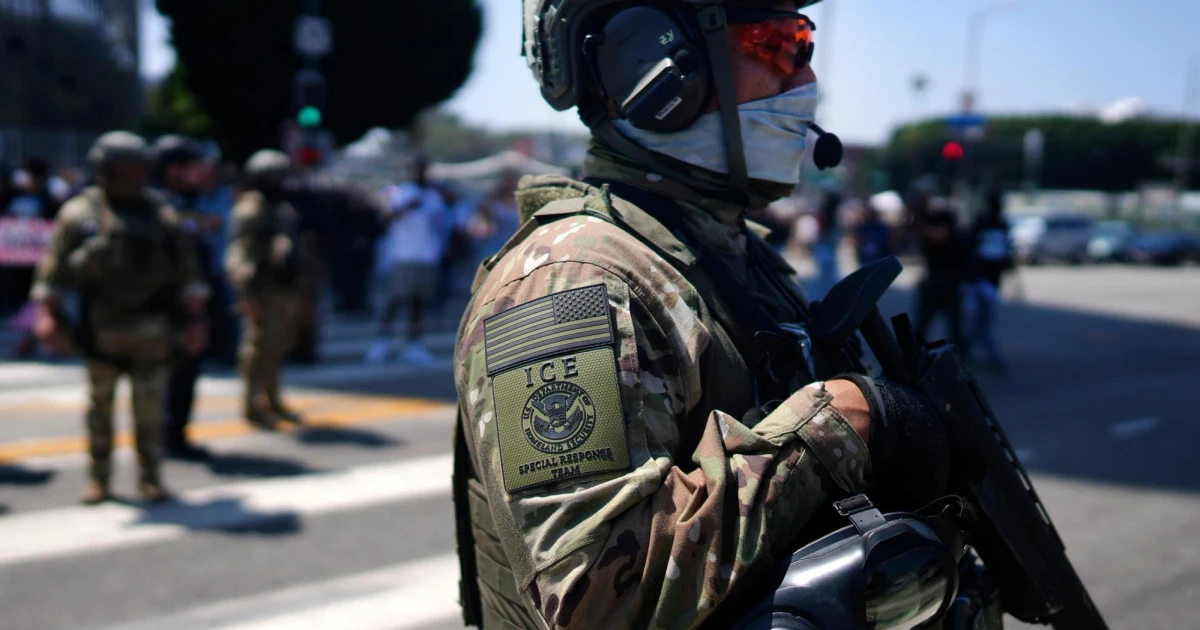
The Department of Homeland Security said Tuesday that every U.S. Immigration and Customs Enforcement arrest team will now include at least one officer wearing a body-worn camera, a move that comes after two fatal shootings by agents who were not recording their encounters. The decision turns body cameras into a test of accountability for immigration enforcement, especially as public pressure grows for a clear record of how federal arrests end in death.
DHS said the body-camera program was already operating in more than half of ICE field offices before the new order. The department has been under mounting pressure to expand the equipment nationwide after Congress approved $20 million in April 2026 for “the procurement, deployment, and operations of body-worn cameras” for officers carrying out immigration-enforcement duties. In February 2026, former Homeland Security Secretary Kristi Noem said DHS would “rapidly acquire and deploy” body cameras across the department.
The push has taken on added urgency after the Houston and Maine shootings, where officials said the people killed were not the intended targets of the enforcement operations. In the Houston case, DHS had already said officers at the local field office had not yet been issued body-worn cameras, blaming the delay on two government shutdowns, one in 2025 and another in 2026. The department said the rest of the field offices were expected to have the devices within 60 days. DHS later linked the rollout speed to those shutdowns, even as it said the program had reached more than half of ICE field offices.
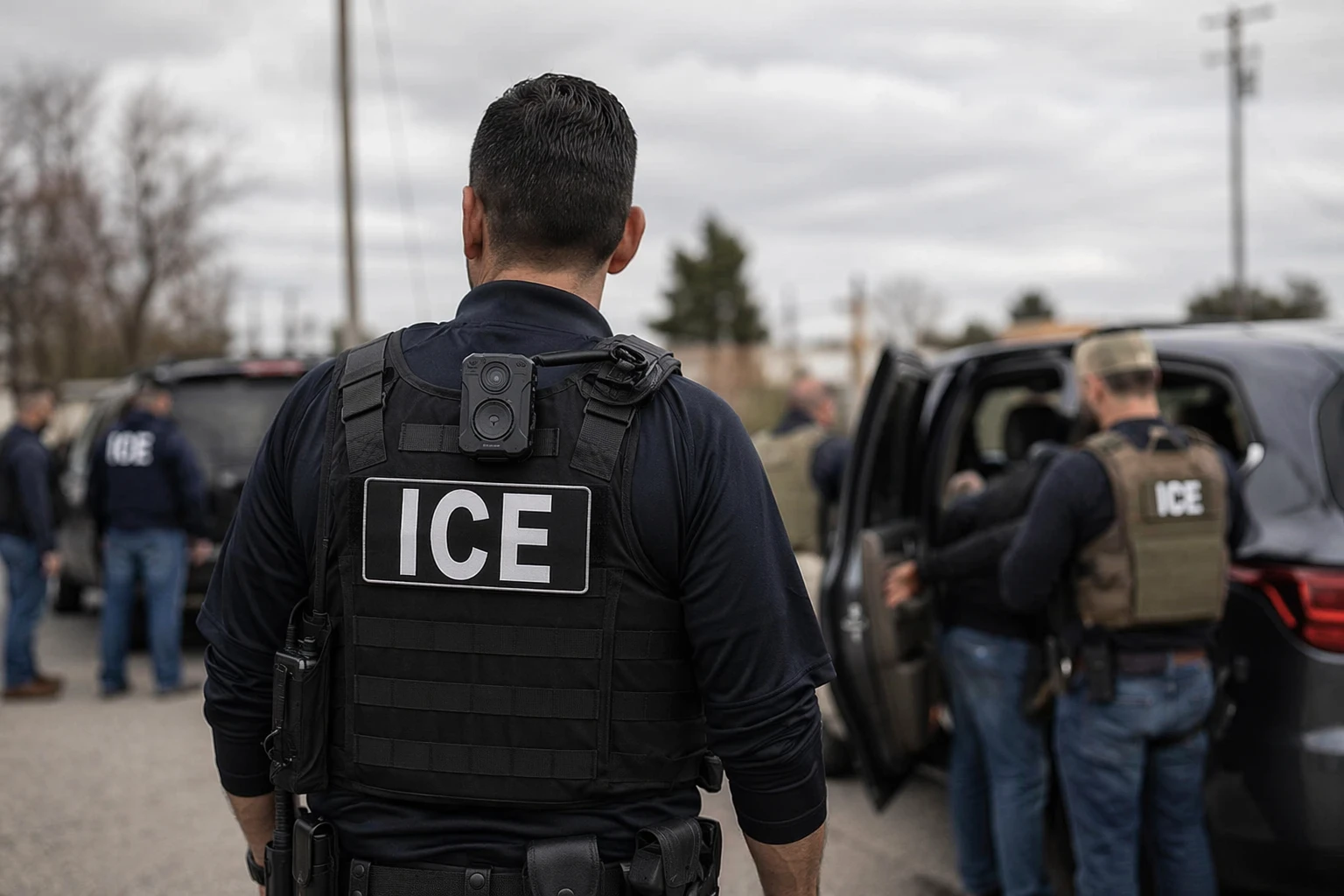
The new requirement also follows earlier expansion of body-camera use in Minneapolis, Minnesota, after deadly shootings there earlier in 2026. Federal officials have said assaults against immigration officers have risen, and DHS has cited that trend as one reason it made body cameras a top priority. The policy has drawn criticism from Rep. Sylvia Garcia, who said it was troubling that the Houston agents did not have cameras despite the new funding.
For families, advocates and nearby communities, the unanswered question is not whether cameras matter, but whether they will be on when force is used, who will control the footage, and how quickly the public will see it after another fatal encounter.
Sources
- [1]cbsnews.com
- [2]usnews.com
- [3]click2houston.com
- [4]sheffieldpress.com
- [5]usatoday.com
- [6]nbcnews.com