Politics
DHS sets foreign journalist visas at 240 days, Chinese reporters at 90 days
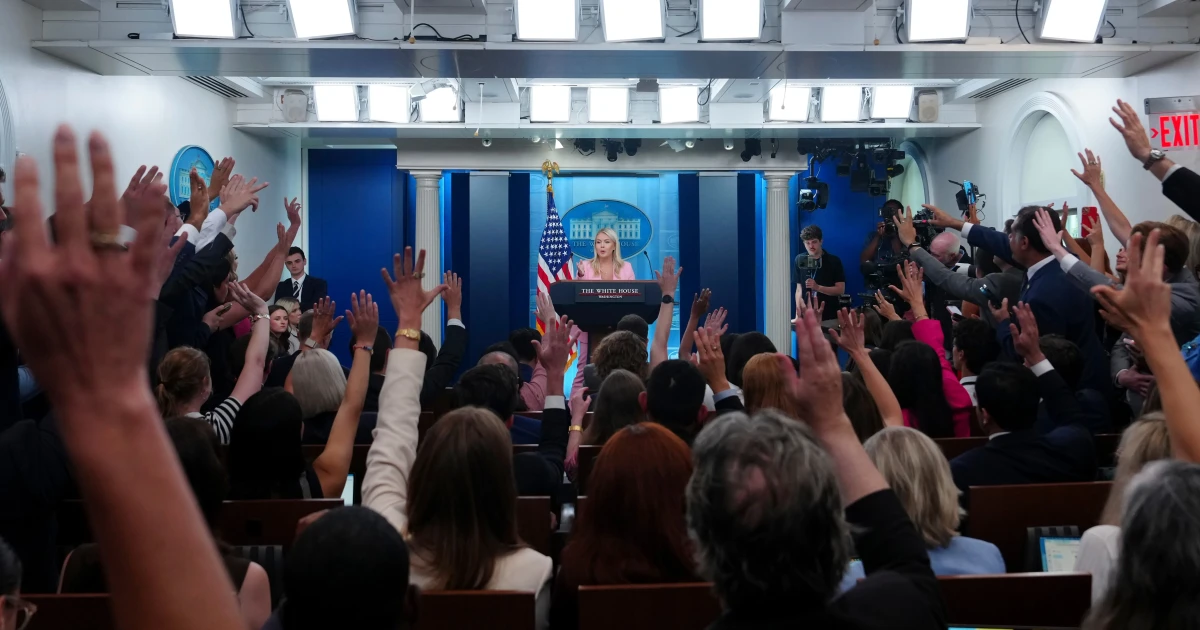
The Department of Homeland Security set foreign journalist visas at 240 days on July 16, and Chinese reporters at 90 days, cutting stays that had been measured in years. The change means foreign correspondents in the United States will have to renew their status more often, creating more administrative churn for beat reporters who rely on steady access to Congress, federal courts and campaign travel.
The new limits also put Chinese media in a separate category. A 90-day cap is far shorter than the 240-day window for other journalists, and it lands amid already strained relations between Washington and Beijing. For Chinese state media and independent reporters alike, the shorter window is likely to mean more turnover, less continuity with sources and more uncertainty about whether an assignment can be sustained long enough to produce deep coverage.
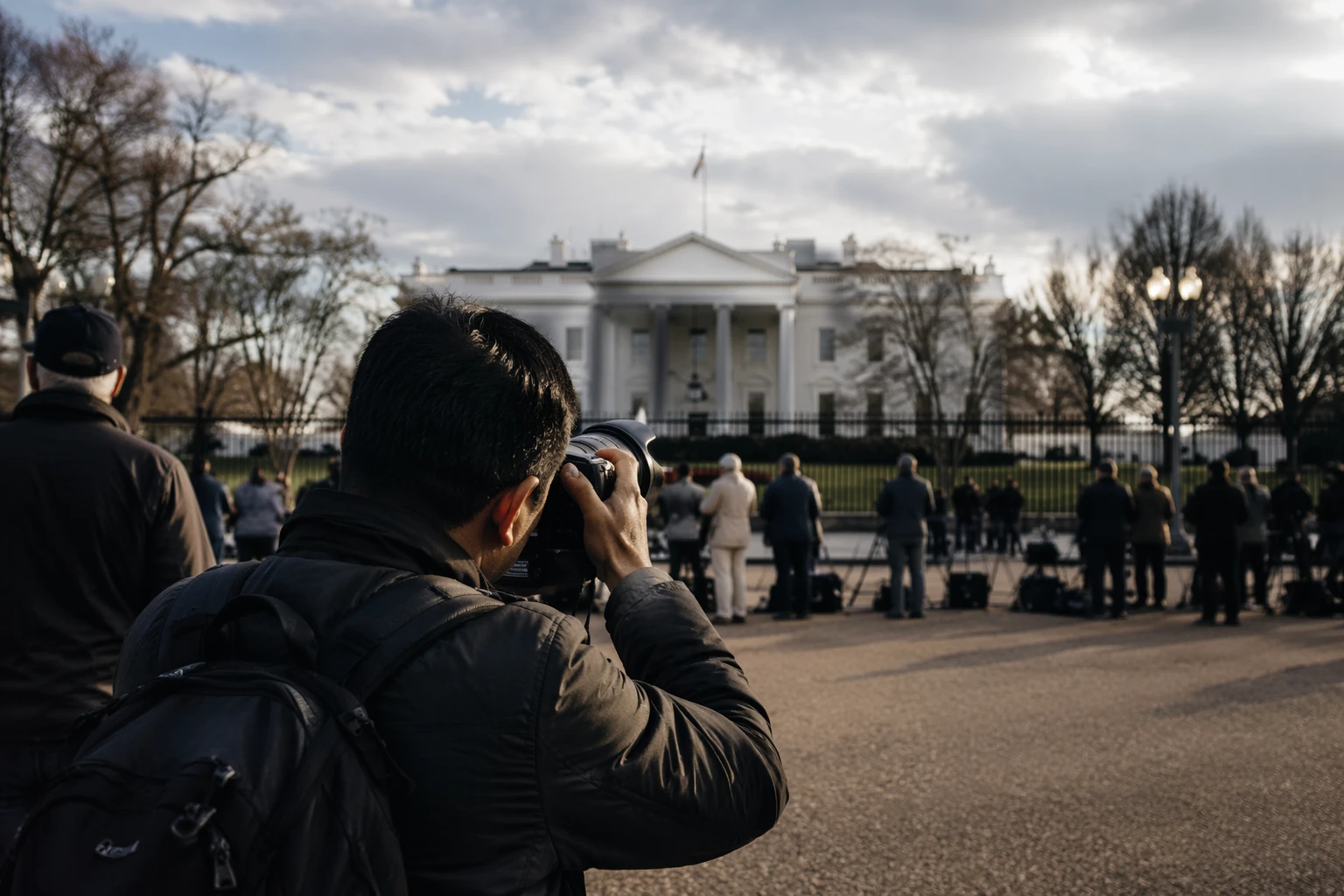
The policy also marks a shift away from the long-standing duration-of-status system. The National Press Club said the proposal would replace that system with fixed admission periods, while the new rule extends that approach to students, exchange visitors and media. That matters for press freedom because foreign correspondent visas are not just an immigration tool; they shape how much of the United States the outside world can see through long-term reporting.
Press freedom groups had warned about that effect before the rule took hold. The Committee to Protect Journalists said in September 2025 that the proposed changes would allow 240 days for reporters generally and 90 days for Chinese nationals, with possible renewals tied to the length of a journalistic assignment. CPJ urged the Trump administration to drop the proposal on September 9, 2025, and later condemned the final rule restricting international correspondents’ access to the United States.
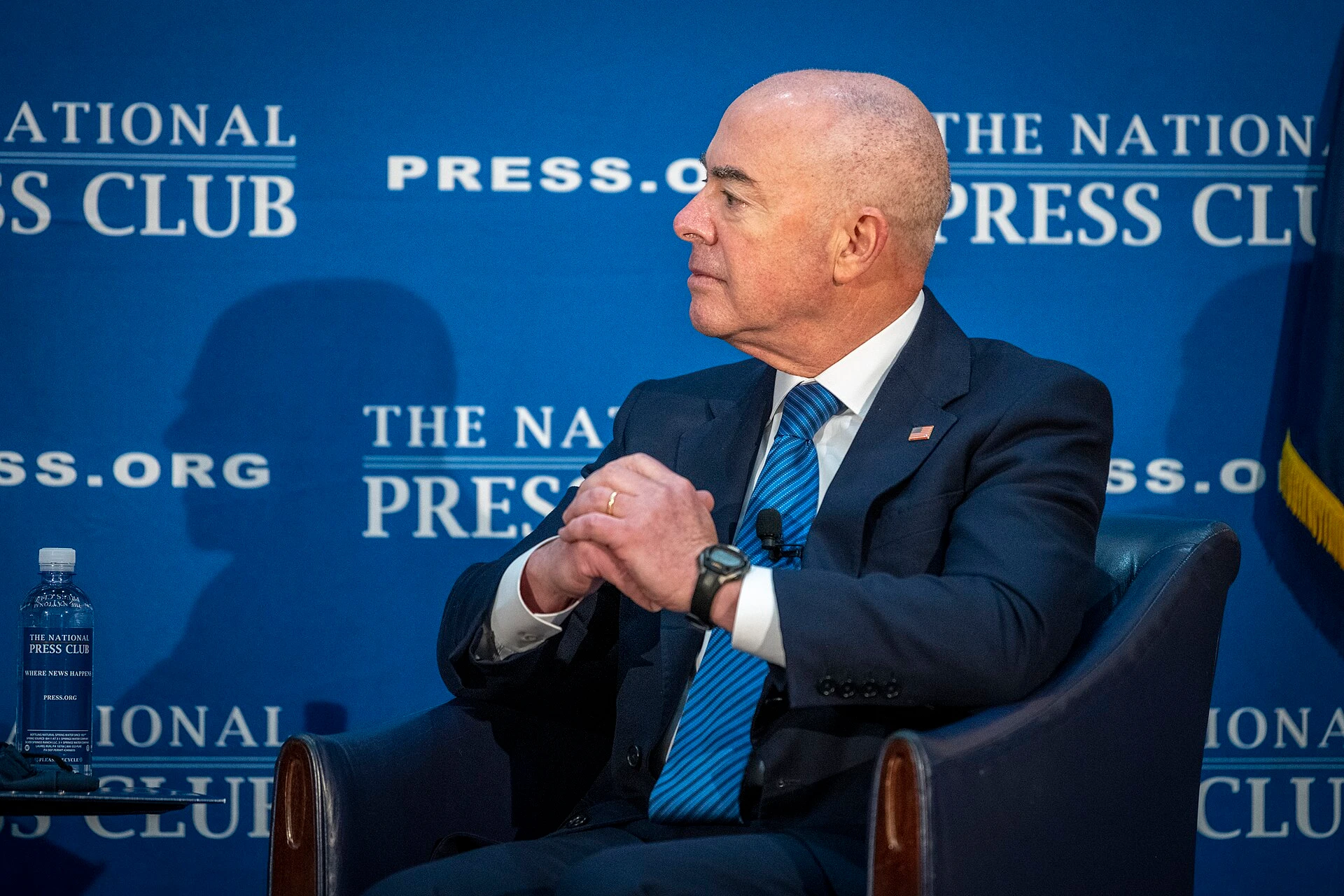
The 90-day cap raises a sharper question about reciprocity. If Washington uses immigration policy to limit foreign reporters, other governments can point to the U.S. approach when they tighten access for American journalists overseas. That risk is especially acute with China, where press access, surveillance and national security already sit at the center of the bilateral dispute. The administration may argue the disparity is justified on security grounds, but the practical effect is clear: fewer sustained foreign voices watching the United States from the inside.
Sources
- [1]apnews.com
- [2]cpj.org
- [3]usatoday.com
- [4]press.org
- [5]mainichi.jp
- [6]orlandosentinel.com
- [7]rsf.org