Politics
DHS Shutdown Looms Amid Budget Stalemate in Washington
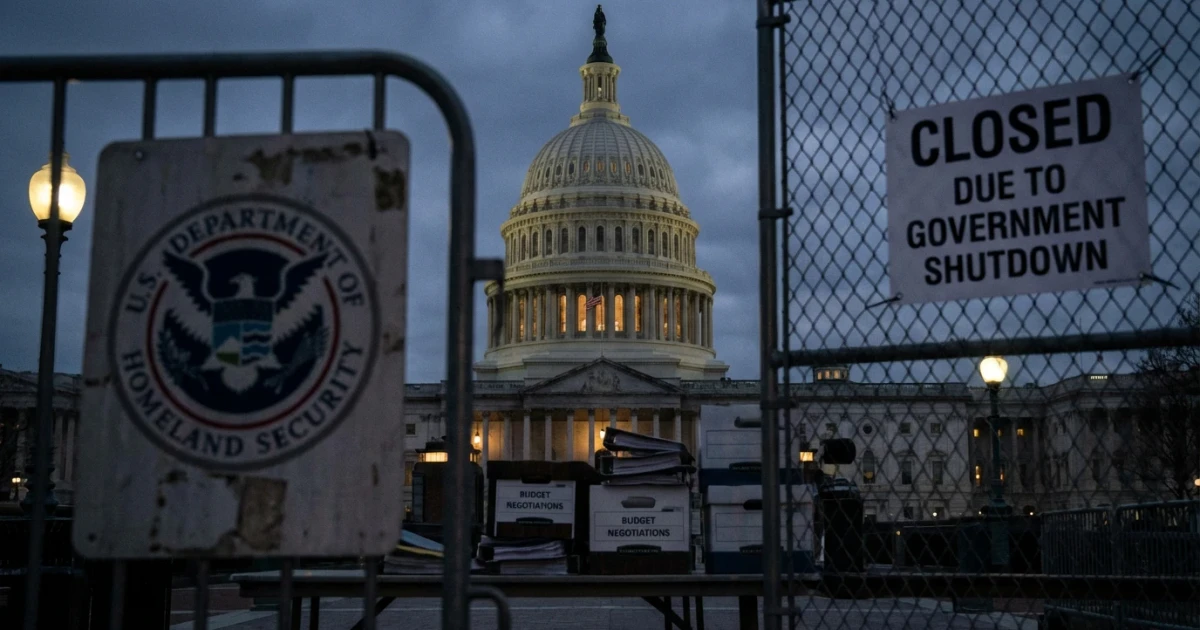
The Department of Homeland Security (DHS) faces an imminent shutdown as negotiations between congressional Democrats and the Trump White House fail to yield a compromise on funding, according to reports from CNBC. The prolonged stalemate over appropriations raises the prospect of disrupted operations for one of the federal government’s key agencies, potentially affecting millions of Americans and vital national security functions.
Impasse Over Appropriations
As the deadline for a funding agreement approaches, lawmakers have been unable to reconcile their differences on the DHS budget. CNBC reported that both sides remain entrenched, with Democrats and the Trump administration at odds over spending priorities. The Department of Homeland Security, responsible for border security, immigration enforcement, and disaster response, is particularly vulnerable to the current funding gap.
This situation is part of the broader appropriations and budget process that governs how Congress allocates funds to federal agencies. Failure to reach a deal by the deadline triggers a shutdown, halting non-essential operations and placing many federal employees on furlough.
Potential Impact on Services and Security
The effects of a federal government shutdown are far-reaching. During past shutdowns, the DHS has seen disruptions in areas such as:
- Delays in immigration case processing
- Reduced support for disaster relief operations
- Suspension of non-critical law enforcement and border activities
Essential personnel—such as TSA agents, Border Patrol officers, and cybersecurity teams—are typically required to work without pay until funding is restored, according to official shutdown furlough guidance from the U.S. Office of Personnel Management. However, many administrative and support roles are subject to furlough, hampering the department’s overall effectiveness.
Economic and Operational Consequences
Shutting down the DHS could have ripple effects throughout the economy and national security apparatus. The Congressional Budget Office has previously estimated that federal shutdowns reduce economic output and harm public confidence in government operations. According to shutdown statistics, hundreds of thousands of federal employees have historically been furloughed during such periods, with paychecks delayed until appropriations are restored.
The current standoff also raises concerns about continuity in critical missions, such as border enforcement and anti-terrorism activities. The department’s budget documents show that a significant portion of its funding supports ongoing operations deemed essential to national security.
Political Context and Next Steps
The present impasse reflects deeper divisions in Washington over budget priorities and immigration policy. CNBC emphasized that no breakthrough appeared imminent, making a partial shutdown of the DHS all but certain. Analysts note that such high-stakes standoffs have become more frequent in recent years, often resulting in short-term continuing resolutions or temporary funding patches rather than long-term solutions. For a comprehensive history of federal funding gaps, readers can consult the Congressional Research Service report detailing shutdowns since 1976.
As the deadline draws near, federal workers and the public await clarity on how long the shutdown might last and what services will be affected. Lawmakers on both sides face mounting pressure to find common ground and restore full operations at the DHS, but as of Thursday evening, prospects for a deal remain dim.
Looking Ahead
The coming days will be critical in determining the scope and duration of the DHS shutdown. While essential services are expected to remain operational, the disruptions to both agency staff and the broader public could be significant. The situation underscores the challenges of the federal budget process and the stakes involved when political negotiations break down.