US News
DHS under fire after fatal shooting and aggressive home visits

A federal immigration agent shot and killed 37-year-old Alex Pretti in Minneapolis on January 24, 2026, and the Department of Homeland Security later told the House Oversight Committee that two agents fired weapons. DHS’s account did not say Pretti drew his gun, even as the Trump administration initially alleged, without presenting evidence, that he was a domestic terrorist.
The shooting landed in a tense national climate. NBC News described the killing as the second fatal shooting by federal immigration officers that month, underscoring how quickly enforcement encounters had turned deadly. ABC News said its timeline of the incident was built from six verified videos, a record that sharpened scrutiny of the government’s version of events and raised fresh questions about how federal officials describe use-of-force cases before the facts are fully established.

The backlash did not stop in Minneapolis. TIME reported that the killing and the administration’s response fueled anger in the city and across the country, while PBS NewsHour said outrage had been growing nationwide over violent and sometimes deadly tactics used by federal immigration officers. In this case, the dispute was not just over the shooting itself but over the speed with which federal officials moved to justify it and the gap between that claim and the available video record.

A second fatal ICE case has added to the pressure on DHS. Family members of Lorenzo Salgado Araujo called for an independent inquiry, and local officials said they had received little information from federal officials about what happened. The case has become part of a wider political fight over accountability inside the department, with critics arguing that DHS and ICE have been too quick to defend officers and too slow to explain the force used in the field.
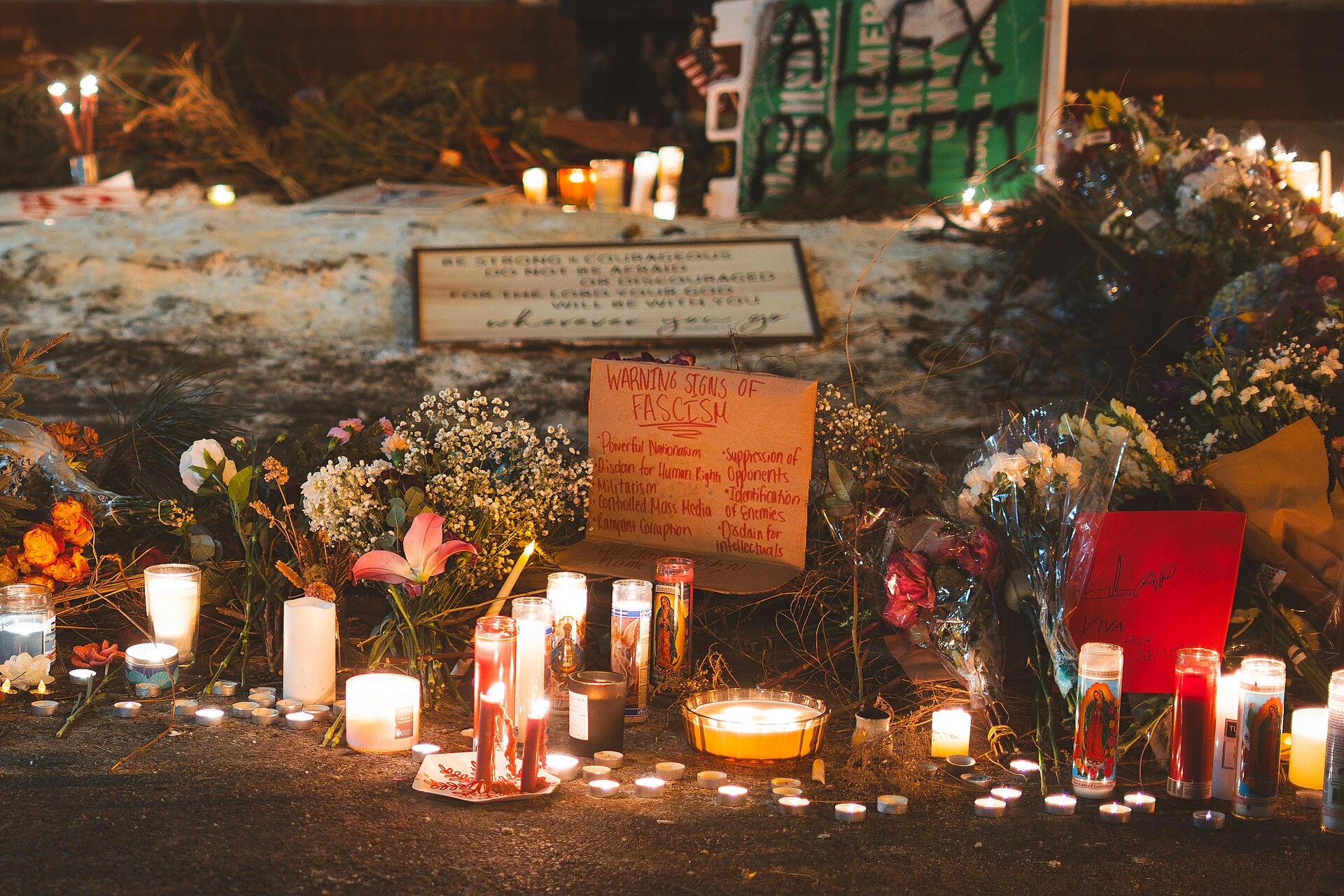
That scrutiny now extends beyond shootings to the department’s broader enforcement style, including aggressive home visits that have prompted accusations of intimidation and overreach. For DHS, the central problem is not only the number of violent encounters but the credibility gap that opens when federal agents, and the administration backing them, move faster than the evidence.
Sources
- [1]theverge.com
- [2]nbcnews.com
- [3]abcnews.com
- [4]politifact.com
- [5]nytimes.com
- [6]time.com
- [7]pbs.org