Sports
Diamondbacks’ Marte misses ABS challenge in loss to Cardinals
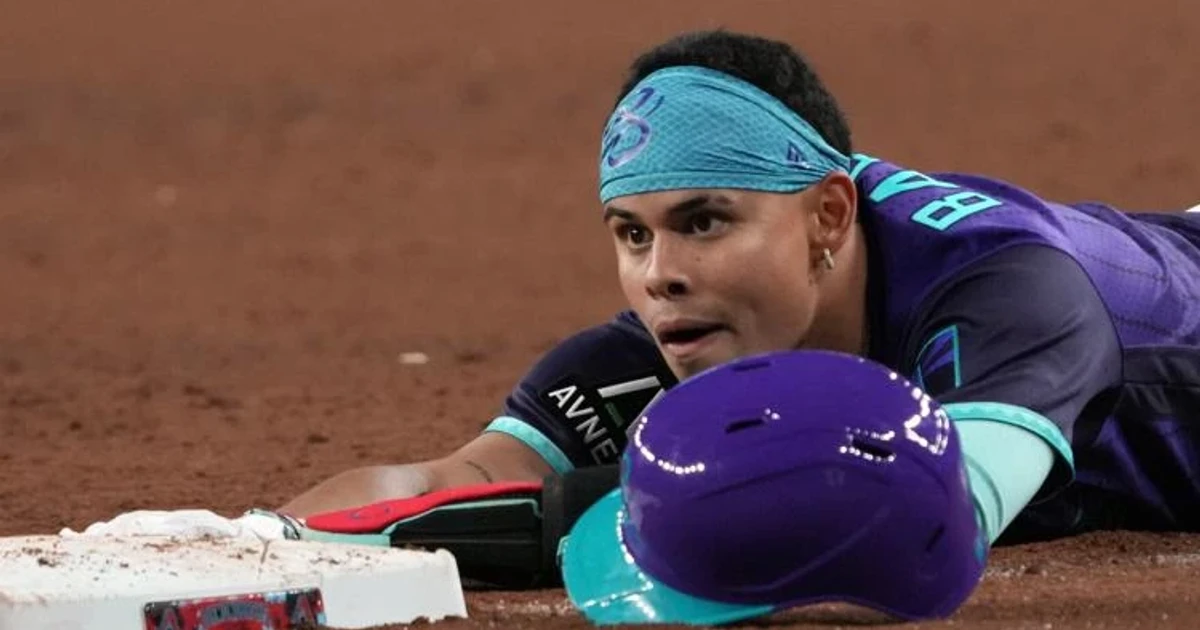
Ketel Marte did not challenge a called strike three from umpire Bill Miller, and the missed ABS opportunity ended the Diamondbacks’ 5-4 loss to the St. Louis Cardinals in Phoenix. The final out became more than a routine call, because it showed how baseball’s new automated ball-strike system now puts a split-second decision in the hands of players.
Major League Baseball introduced the Automated Ball-Strike Challenge System, powered by T-Mobile, beginning with the 2026 season after years of testing in the minor leagues and appearances in MLB Spring Training and the All-Star Game in 2025. Under the rules, only batters and pitchers or catchers can initiate a challenge. Each team starts with two, and a club loses the right to challenge after getting two wrong.
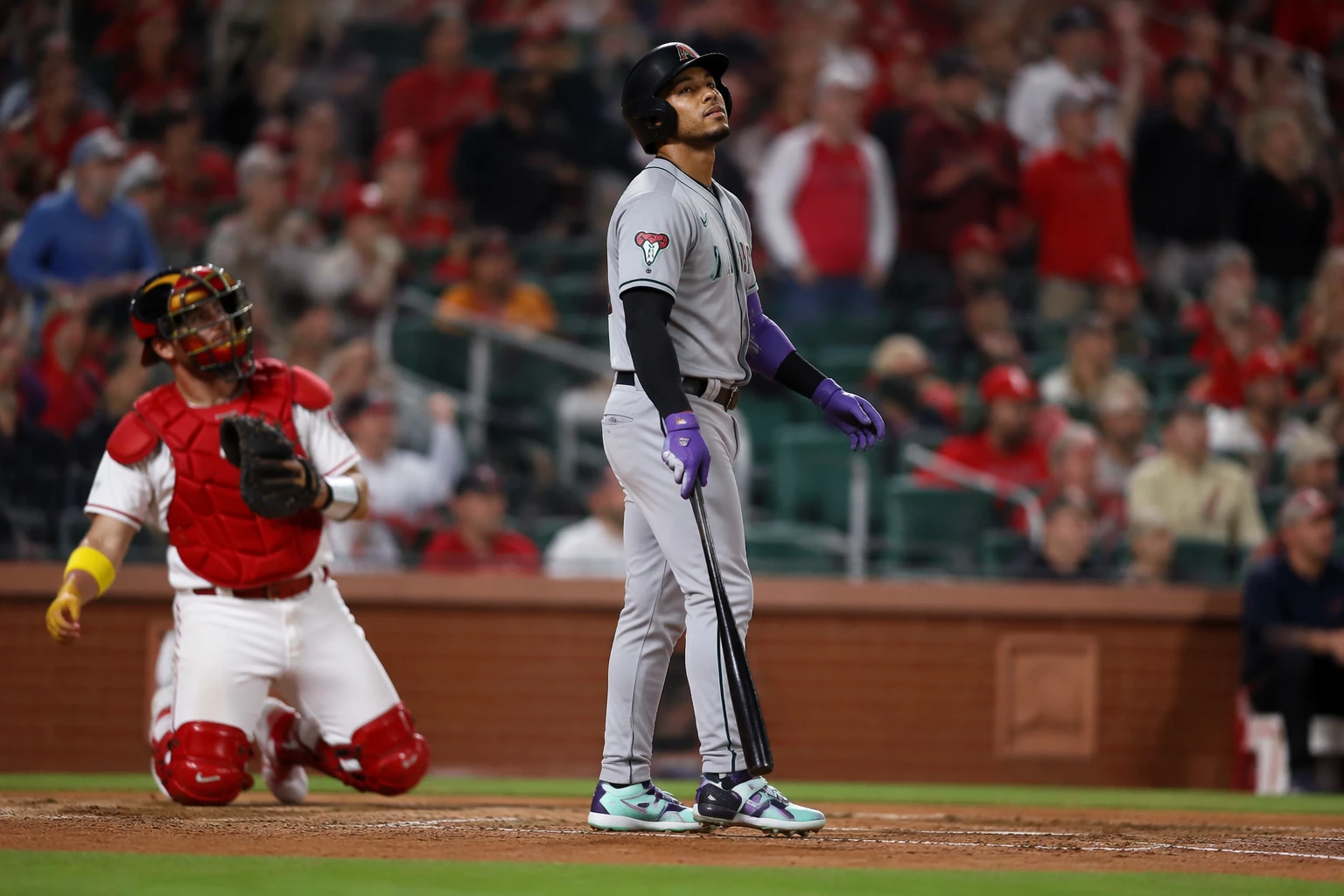
The system is meant to sit between full robot umpiring and the traditional human plate umpire, not replace the home-plate official entirely. That middle ground changes the shape of a game in a way fans do not always see from the stands. A pitcher, catcher or hitter has to recognize a questionable pitch immediately, decide whether it is worth spending one of the limited challenges, and act right after the pitch. If the moment passes, the call stands even if replay would have shown it differently.
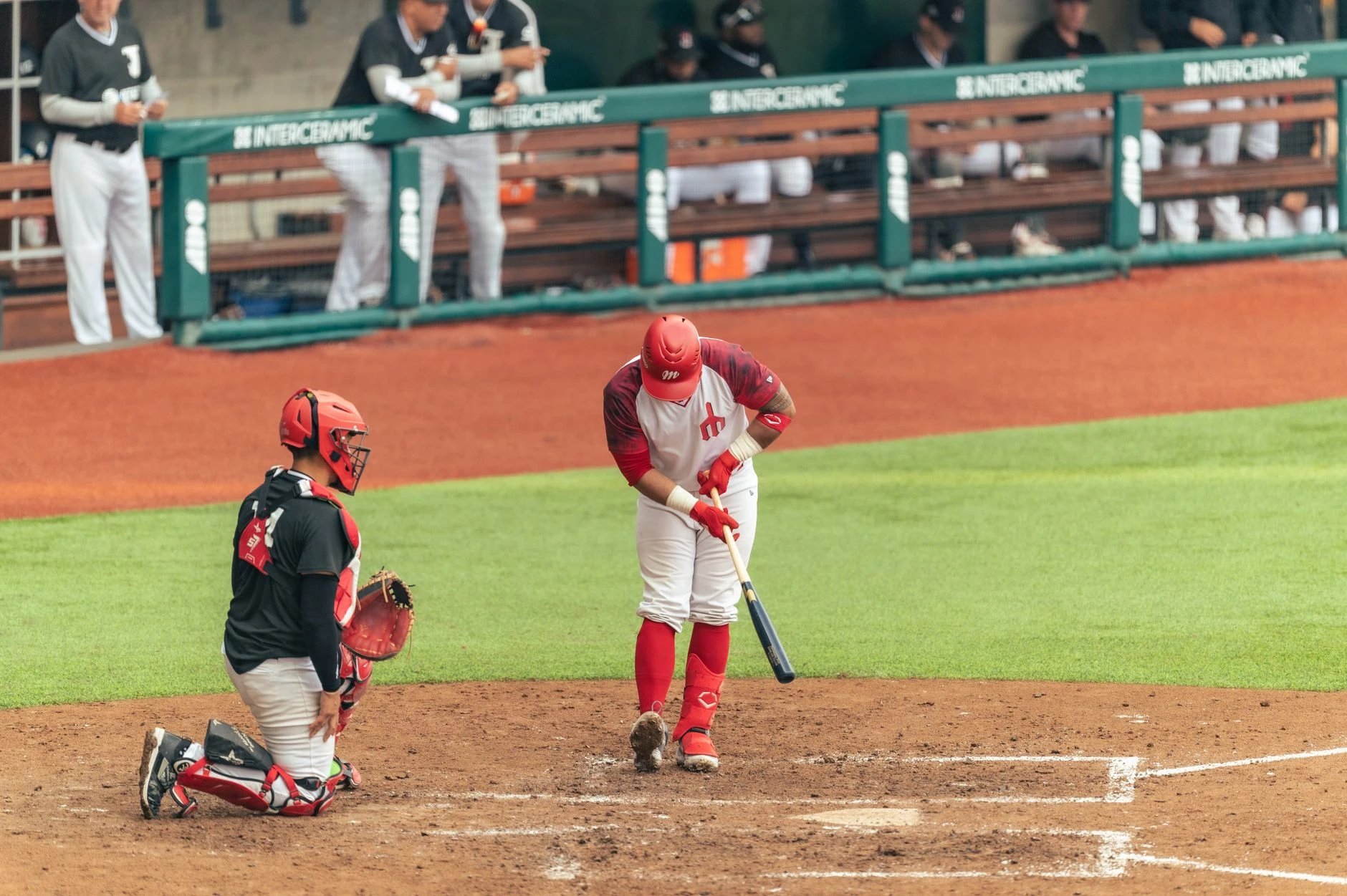
That pressure was on display in the Diamondbacks’ loss. Marte’s decision not to challenge meant the called strike three stood as the final out, and Arizona left the field with a one-run defeat in a game that turned on one pitch and one missed opportunity to use the league’s newest tool. The rule is designed to increase accuracy, but it also shifts responsibility onto players who must manage the technology in real time instead of relying on dugout debate after the fact.
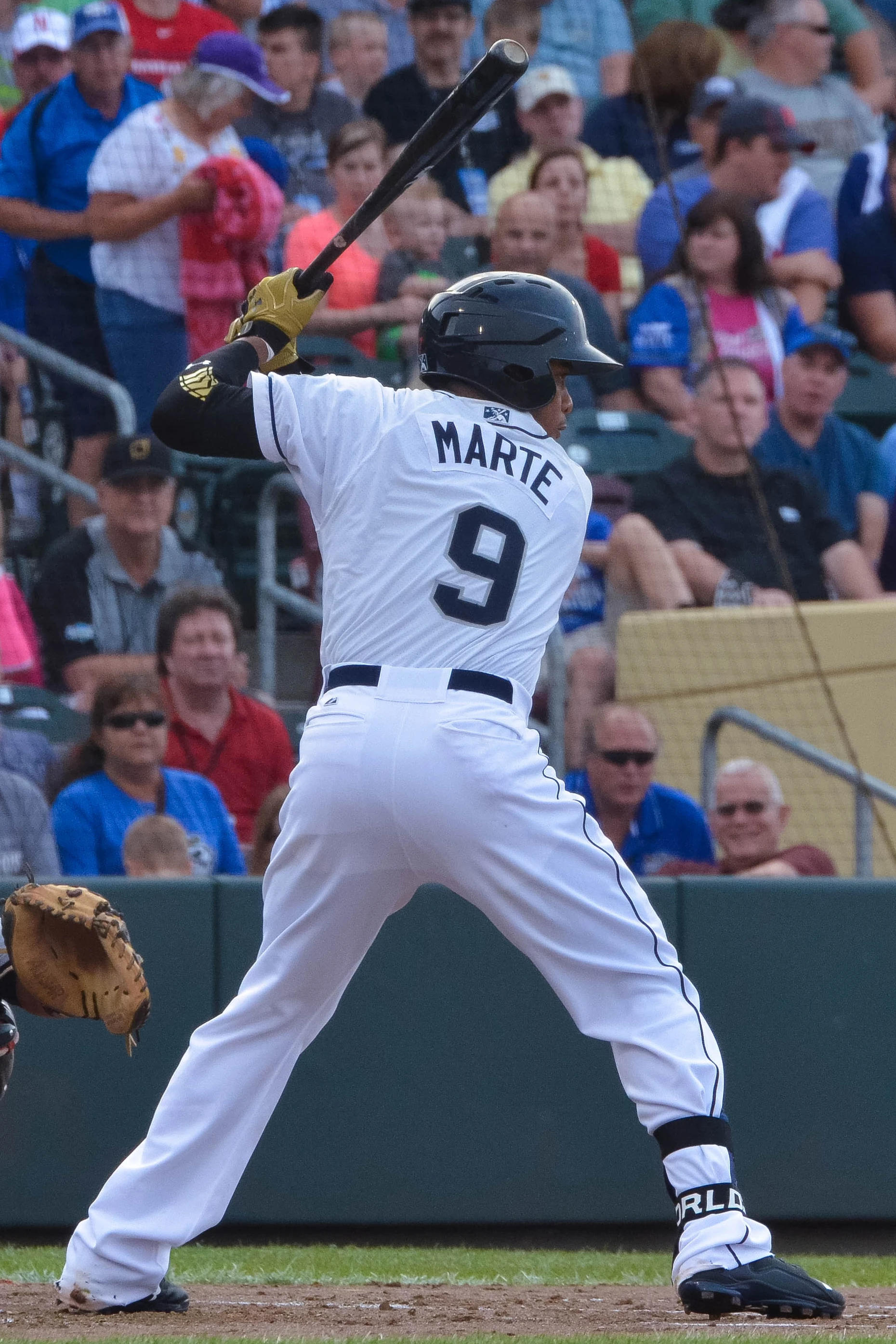
MLB’s 2026 guidance also says teams will always have at least one challenge available in extra innings, a safeguard that shows how carefully the league is still calibrating the system. For now, the ABS challenge is changing more than strike calls. It is changing how clubs weigh risk, how quickly they communicate, and how much control a player can exert in the most tense moments of a close game.
Sources
- [1]apnews.com
- [2]ca.sports.yahoo.com
- [3]mlb.com
- [4]baseballsavant.mlb.com
- [5]newsnationnow.com