Business
Diesel prices fall as hopes for lasting Iran peace grow

The U.S. diesel sales price reached $5.024 a gallon in June 2026, and the latest federal update showed prices falling week over week as traders bet that the Iran truce could hold. That matters more for trucking, shipping and farm fuel than the latest move in regular gasoline, because diesel is the fuel that moves goods from ports and warehouses to stores and powers much of the machinery that keeps the food chain running.
The Energy Information Administration’s June 30 gasoline and diesel update showed the retreat, with the next release due July 7. Diesel had been among the sharpest casualties when the conflict with Iran began, but the relief is arriving unevenly. The Federal Reserve Bank of St. Louis’ FRED series, which tracks U.S. diesel sales prices back to April 1994, put June’s average at $5.024 a gallon, underscoring how much of the wartime spike is still working through the market.

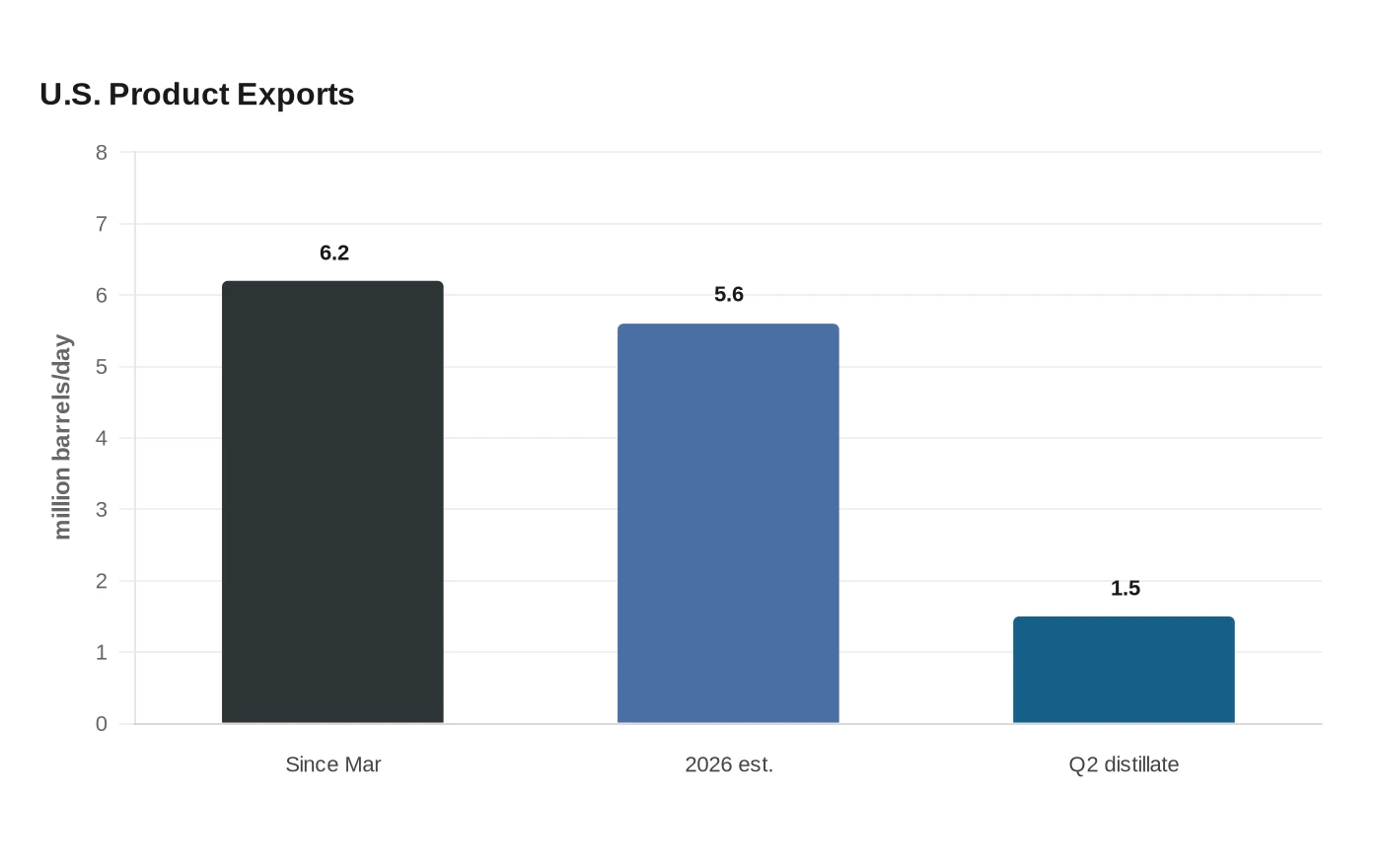
Refining economics remain tight even with hopes for lasting peace. The U.S. diesel futures crack spread hit $62.84 a barrel on June 26, the highest since June 3, showing that the fuel is still expensive for refiners to make and for distributors to buy. The Energy Information Administration said margins have risen especially for diesel and jet fuel because Europe and Asia need to replace supply that previously moved through the Strait of Hormuz. Since March, the United States has exported an average of 6.2 million barrels a day more petroleum products than it has imported, and the agency forecasts net petroleum product exports of 5.6 million barrels a day in 2026, a record, with distillate net exports at 1.5 million barrels a day in the second quarter, up 27% from a year earlier.
The broader oil market still reflects the strain. Brent crude has surged more than 55% since the war began and briefly neared $120 a barrel, while March’s 51% jump ranked among the largest monthly oil spikes on record. The International Energy Agency said on June 17 that global oil demand is now forecast to fall by 1.1 million barrels a day year over year in 2026, a 700,000-barrel-a-day downgrade from May, after second-quarter deliveries plunged by 5 million barrels a day because of higher fuel prices and product shortages. If the peace holds, diesel is the fuel most likely to pass any relief first into freight bills, farm costs and eventually store prices, but overseas demand and still-firm refining margins could keep part of that savings from reaching shoppers.
Sources
- [1]bbc.co.uk
- [2]eia.gov
- [3]fred.stlouisfed.org
- [4]money.usnews.com
- [5]iea.org
- [6]cnbc.com