World
Diplomatic Channels Strained as Xi’s Purge Raises Global Concerns
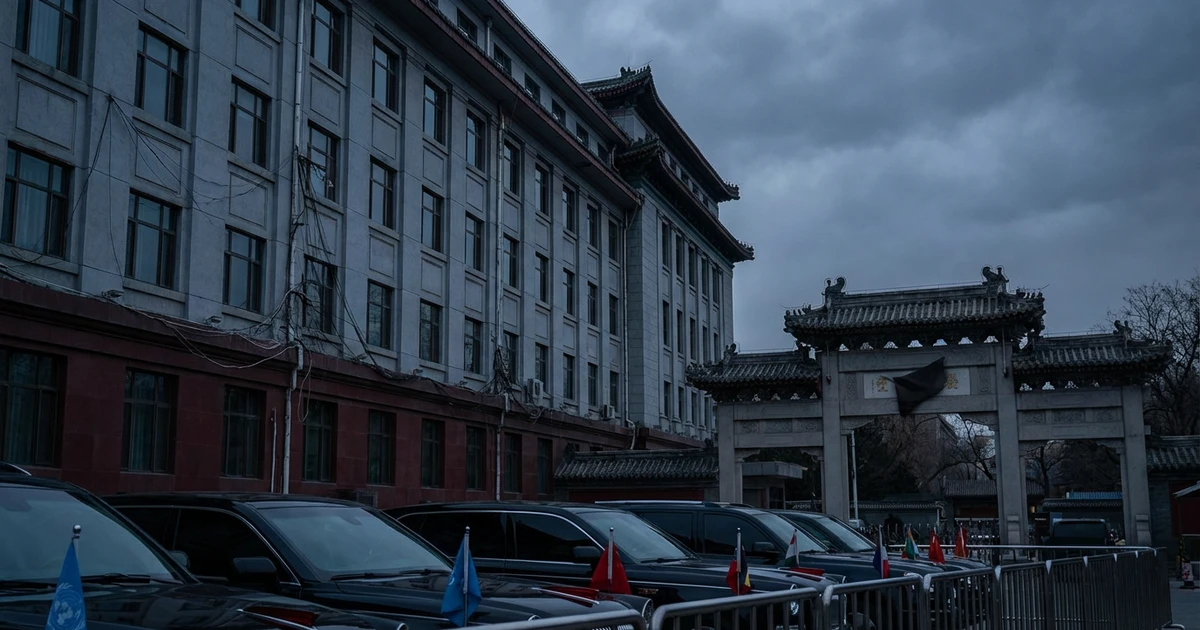
China’s diplomatic relations face new uncertainty as foreign envoys voice concerns that President Xi Jinping’s latest high-level purge could restrict vital lines of communication with Beijing. The development comes amid revelations that a top Chinese general is accused of sharing sensitive nuclear information with the United States, amplifying anxieties among global powers about transparency and crisis management with the world’s second-largest economy.
Heightened Tensions After Leadership Shake-Up
According to reports, the Chinese leadership has moved decisively to remove senior military and political figures following suspicions of espionage. While details remain closely guarded, the ousting of a top general accused of passing nuclear secrets to the U.S. has sent shockwaves through diplomatic circles. The Wall Street Journal’s exclusive coverage highlights the gravity of the allegations, which underscore the internal security challenges facing President Xi’s administration.
Foreign diplomats stationed in Beijing and analysts monitoring the situation note that such purges are not unprecedented in China’s recent history. However, the current circumstances are particularly sensitive, given the implication of nuclear security and the broader context of U.S.–China rivalry. These actions have led to speculation that Chinese authorities may further restrict access to key officials and reduce the frequency of candid information exchanges with foreign governments.
Potential Impact on Global Communication and Security
Diplomats and international observers warn that limiting channels of communication could hinder efforts to manage misunderstandings or de-escalate crises. In an era of rising geopolitical friction, transparent dialogue between China and other nations is viewed as critical to maintaining stability in the Asia-Pacific region and beyond.
- Diplomatic Access: There are growing fears that embassies and international organizations may face more obstacles when seeking meetings with Chinese officials.
- Intelligence Sharing: Allegations of espionage could prompt Beijing to tighten controls on information, potentially complicating cooperation on issues such as nuclear non-proliferation and regional security.
- Crisis Management: Diplomatic protocols, especially those designed to prevent escalation during military or political incidents, may be weakened if communication is curtailed.
Context: Xi’s Consolidation of Power
President Xi Jinping has undertaken several purges since his ascent to power, often citing the need to root out corruption and ensure loyalty among the ranks. The current episode, however, is distinguished by its international implications. Observers note that moves to centralize authority, while intended to bolster party unity and discipline, sometimes result in reduced transparency and increased caution among Chinese officials when engaging with their foreign counterparts.
The outcome could be a more insular and less communicative Chinese leadership at a time when global stakeholders seek clarity on Beijing’s intentions. The international community is left to monitor closely for further developments, as both the immediate fallout of the purge and its longer-term effects on diplomatic practice remain uncertain.
Looking Ahead
As scrutiny of China’s internal security apparatus intensifies, foreign diplomats stress the importance of maintaining open channels with Beijing. The effectiveness of international diplomacy, especially on high-stakes issues like nuclear security and crisis prevention, may depend on how Chinese authorities balance internal control with the need for ongoing engagement with the outside world.
For further reading on China’s diplomatic strategies and recent political changes, visit the official Chinese government portal or review analytical resources from leading think tanks and international affairs publications.
Sources
- [1]Bloomberg