US News
Diplomats Push for US-Iran Talks Amid Oil Blockade
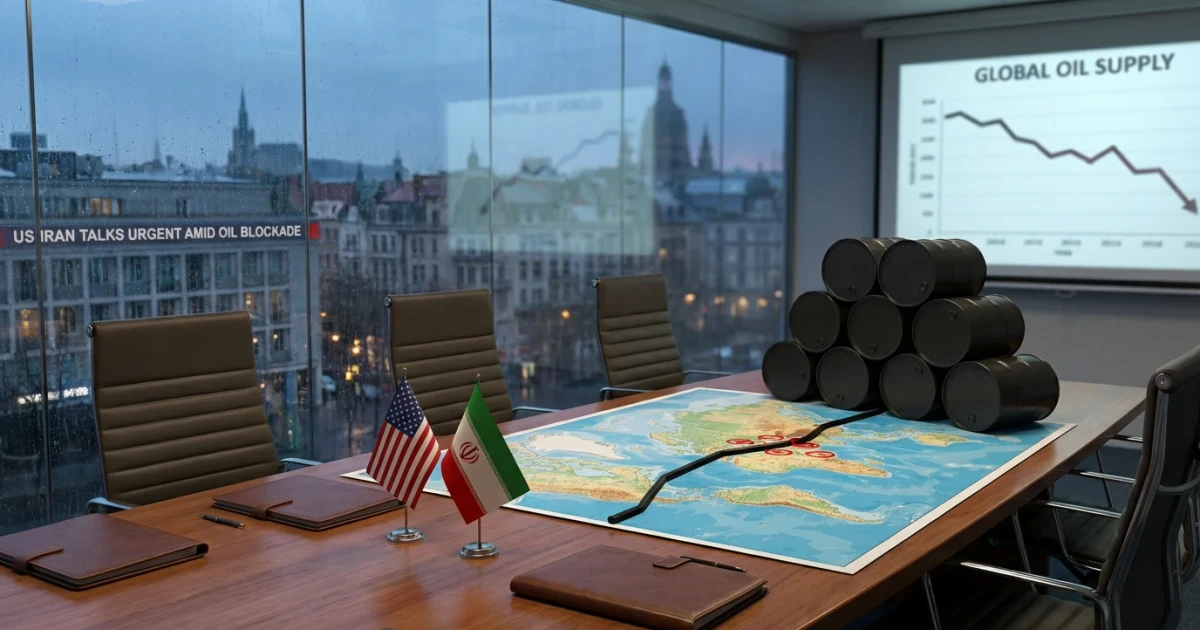
Diplomats from several countries are working to arrange a second round of negotiations between the United States and Iran, as the first full day of the American oil blockade sends ripples through global energy markets and international relations.
Blockade Aims to Pressure Iran, Shifts Oil Market Dynamics
The newly implemented oil blockade is part of a broader strategy by Washington to pressure Tehran over its nuclear ambitions and regional activities. According to coverage by AP News, the blockade is expected to significantly restrict Iranian oil exports, one of the country's main sources of revenue. The move is anticipated to have a dual effect: tightening the global oil supply and driving up energy prices worldwide.
Energy analysts predict that the American blockade will lead to a boost in U.S. crude oil exports as American supplies fill gaps left by Iranian barrels. However, this increased demand is likely to result in higher prices at the pump for U.S. consumers—a tradeoff that could have domestic political consequences in a high-inflation environment.
Diplomatic Efforts Focus on Restarting Talks
AP News reports that diplomats from Europe and other regions are engaged in urgent efforts to convene a second round of U.S.-Iran talks, hoping to use the pressure of the blockade as leverage to bring Tehran back to the negotiating table. The first day of the blockade has already seen intense backchannel communications, with mediators aiming to de-escalate tensions and avoid further disruptions to the fragile balance in the Middle East.
- Previous rounds of talks made limited progress, stalling over issues of sanctions relief and nuclear oversight.
- Current efforts are focused on finding common ground for renewed engagement, though both sides remain wary.
Global and Domestic Implications
The blockade's implementation is set against a backdrop of volatile global energy markets. As Iranian oil exits the market, major importers in Asia and Europe are scrambling to secure alternative supplies, with American exporters poised to benefit in the short term. Analysts warn, however, that sustained high prices could dampen economic growth and exacerbate cost-of-living pressures globally.
Domestically, American drivers are expected to feel the impact of the blockade at the gas pump, as U.S. refineries respond to increased export demand. Policymakers face the challenge of balancing geopolitical objectives with economic realities at home.
Sanctions and Enforcement
The U.S. blockade is enforced through rigorous monitoring of maritime oil shipments and financial transactions, building on the framework of existing sanctions lists maintained by the Treasury Department. This comprehensive approach aims to close loopholes that previously allowed Iranian oil to reach the market despite restrictions.
What Lies Ahead?
As diplomatic efforts intensify, much hangs on the willingness of both Washington and Tehran to return to direct negotiations. The coming days will be critical in determining whether the blockade leads to renewed talks or a prolonged standoff with far-reaching economic and security consequences.
For now, the world watches as the first full day of the American oil blockade sets the stage for a complex diplomatic and economic contest—one with implications for energy security, international alliances, and the future of U.S.-Iran relations.