Technology
Discord bug wrongly bans more than 8,000 accounts since May

Discord’s safety system wrongly banned more than 8,000 accounts since May after mistaking harmless grid-based images for prohibited material, and it hit about 200 more accounts over the weekend before the company reinstated them. The company said the broader bug affected roughly 8,200 accounts from May 2026 through the week before its July 7 statement.
The mistaken bans came after users on X began posting examples of what triggered enforcement: chessboards, spreadsheets, game textures and Minecraft inventories. Those images share square-grid patterns that Discord’s moderation systems appear to have matched against known harmful content, turning ordinary posts into violations.
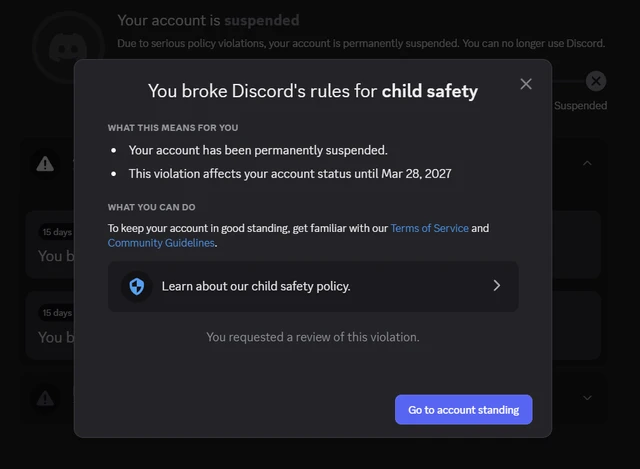
Discord said its moderation process is supposed to include human review before action is taken. In this case, the company said a bug kept some bans in place even after staff determined the content did not violate policy, leaving users locked out despite a cleared review.
That gap matters because Discord’s own warning-system documentation says users normally receive a system DM explaining what rule they violated and what action was taken. The same documentation says the platform uses warnings and temporary feature restrictions for less severe conduct, while reserving permanent suspension for the most serious harms. For users caught in the bug, the problem was not only the false trigger but also the way the enforcement system failed to unwind the penalty after review.
Discord has told affected users who are still having trouble to reply in its support thread, and said it is improving safeguards so the same error does not recur. The company’s incident history page showed no July 2026 moderation incident at the time of review, and instead listed several unrelated May and June service problems, including API errors, guild and session availability issues, and connectivity outages.
The episode is a reminder that automated moderation systems can impose real penalties long before a user understands what happened. In Discord’s case, a tool meant to catch harmful material ended up punishing benign posts, then made it harder to reverse those decisions once the mistake was found.