Entertainment
Disney Challenges ByteDance Over AI Video Tool Seedance 2.0
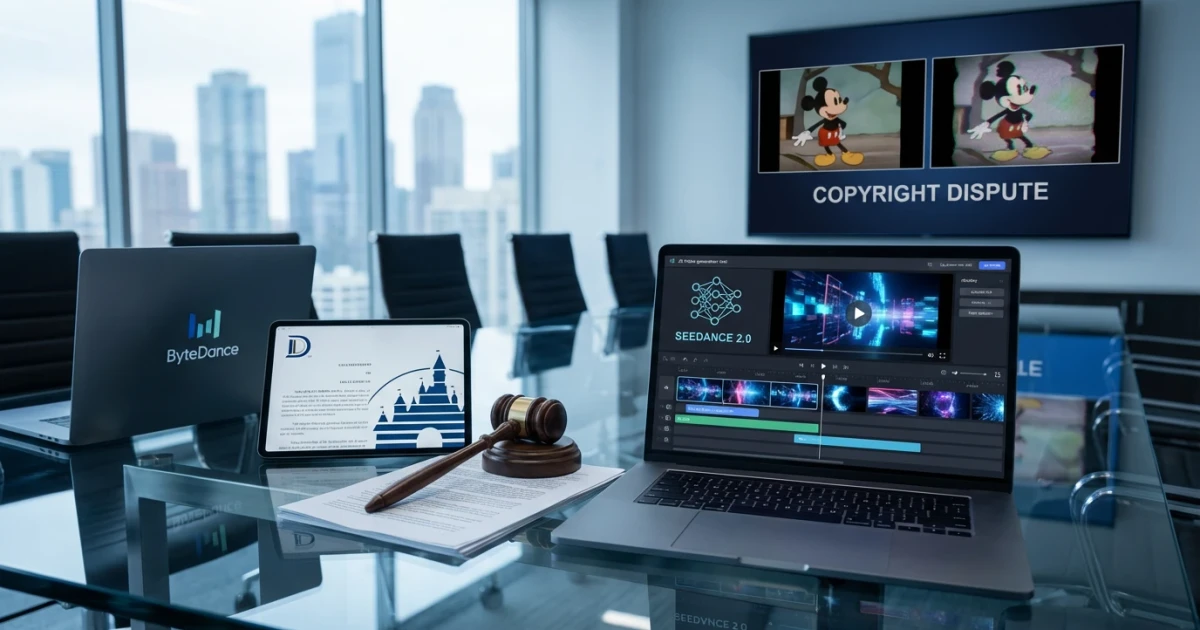
Disney has issued a cease and desist letter to ByteDance, the parent company of TikTok, over its newly-released AI video generator, Seedance 2.0, intensifying industry debate about copyright, artificial intelligence, and the future of digital content creation. The move, first reported by Axios, underscores growing tensions between entertainment giants and technology firms as AI-powered tools disrupt traditional content production in Hollywood.
Seedance 2.0 Raises Copyright Concerns
Seedance 2.0, launched by ByteDance, is an advanced AI video generator capable of creating highly realistic, customizable video content in seconds. According to Axios, the tool’s release has sent shockwaves through Hollywood, with many studios and creators voicing concerns about AI’s ability to replicate copyrighted material, recognizable characters, and signature artistic styles without explicit permission. The Guardian echoed these concerns, quoting anonymous industry insiders worried about the speed and quality of AI-driven video generation: “It’s over for us.”
Disney’s cease and desist letter specifically cites potential infringement of its intellectual property, referencing the ability of AI models like Seedance 2.0 to generate content resembling Disney’s protected characters and stories. Readers can search official trademark filings and cease and desist records to explore the legal basis of Disney’s claims.
Industry Impact and Market Growth
The rise of AI video generators has rapidly transformed the digital content landscape. According to Statista market data, the global AI video generator market is expected to reach multi-billion dollar valuations within the next few years, driven by advances in generative AI and increased adoption by both professionals and amateurs. ByteDance’s Seedance 2.0 represents one of the most sophisticated entries in this competitive space, with competing platforms from other tech giants following closely behind.
- AI video generators are projected to grow rapidly, with new tools emerging across the industry.
- Hollywood studios have raised alarms about potential loss of control over their intellectual property and the devaluation of human creativity.
- Many digital creators see AI as a democratizing force, while established studios warn of increased copyright infringement risks.
Legal and Regulatory Challenges
Disney’s legal challenge highlights the uncertain regulatory landscape surrounding AI-generated content. Existing copyright laws, originally crafted for human authors, are now being tested by AI’s ability to synthesize and remix vast datasets. The U.S. Copyright Office has yet to provide comprehensive guidance on how copyright applies to AI-generated works, and disputes like this are increasingly common as technology outpaces legislation.
Industry observers point to ongoing debates about fair use, derivative works, and the responsibility of platform operators to prevent infringement. Reports from organizations such as the Electronic Frontier Foundation and the World Intellectual Property Organization highlight the legal gray areas as courts and regulators grapple with the implications of widespread AI authorship.
Hollywood’s Response and the Road Ahead
As AI tools like Seedance 2.0 become more powerful and accessible, the entertainment industry faces a crossroads. The Guardian reported widespread anxiety in Hollywood, with some insiders expressing fear for the viability of traditional production models. Others, however, see an opportunity for collaboration between technology and creative industries, provided that clear guidelines and safeguards are established.
For now, Disney’s challenge to ByteDance signals that major studios are prepared to defend their intellectual property aggressively, setting the stage for potential legal battles that could shape the future of AI-generated content. The outcome of this dispute is likely to influence not only media conglomerates and tech companies, but also independent creators, copyright holders, and audiences worldwide.
Readers interested in the evolving legal context can explore UK Intellectual Property Office research and digital content industry reports for deeper analysis and data on the intersection of AI, copyright, and media.
Conclusion
The confrontation between Disney and ByteDance over Seedance 2.0 is emblematic of the broader challenges facing the entertainment and technology sectors as AI transforms creative production. With legal frameworks still evolving, the industry—and its audiences—will be watching closely to see how copyright, creativity, and innovation coexist in the age of artificial intelligence.