World
Djibouti’s Ismail Omar Guelleh Secures Sixth Presidential Term
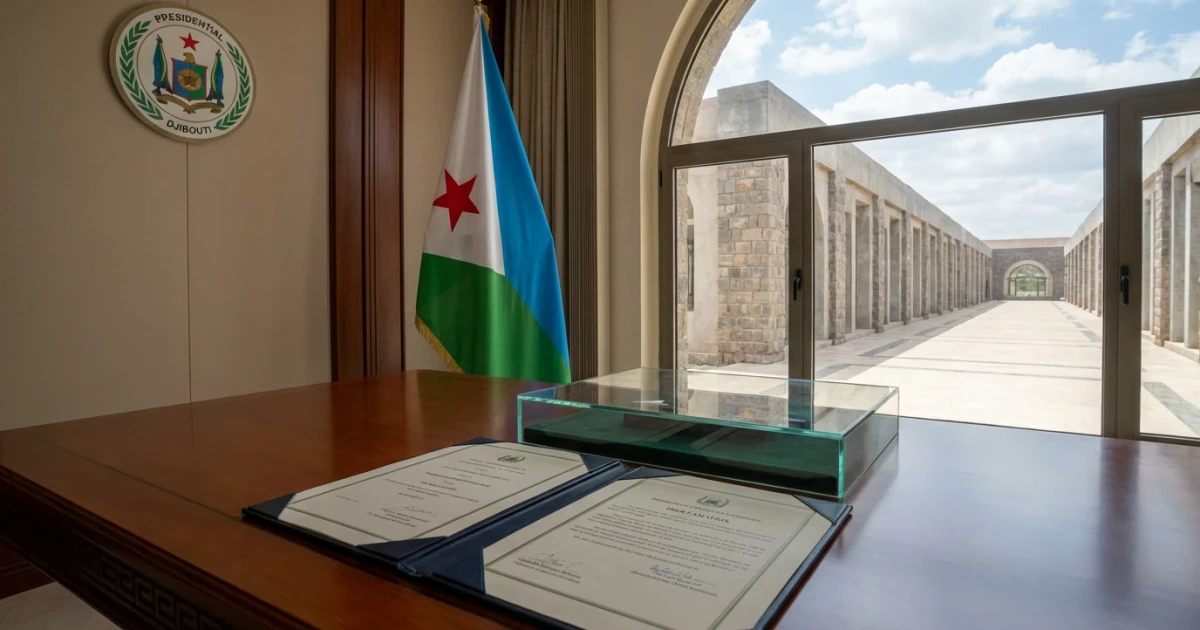
President Ismail Omar Guelleh has been re-elected for a sixth consecutive term in Djibouti’s 2026 presidential election, reinforcing his position as one of Africa’s longest-serving leaders. The announcement cements Guelleh’s hold on power and underscores the political continuity that has characterized Djibouti’s leadership for over two decades.
Election Results and Political Context
According to Al Jazeera, the presidential contest concluded with Guelleh’s decisive victory, an outcome widely anticipated as the country’s opposition parties either boycotted the vote or fielded limited candidates. Guelleh, who first assumed the presidency in 1999, has consistently maintained a strong grip on Djibouti’s political landscape, overseeing a series of elections in which his administration has claimed large majorities.
- Guelleh’s previous victories have been marked by high official vote shares, often exceeding 80%.
- Djibouti’s parliament is dominated by Guelleh’s ruling Union for the Presidential Majority (UMP) coalition.
Limited Opposition and Voter Turnout
Djibouti’s elections have historically seen opposition parties face significant challenges, including restrictions on political activity and allegations of unfair practices. Al Jazeera reported that several opposition groups opted out of the 2026 race, citing concerns over the integrity of the electoral process and the political environment.
Official voter turnout figures have not yet been released for the 2026 poll, but historical data from the International Institute for Democracy and Electoral Assistance shows turnout in Djibouti’s presidential elections has fluctuated, typically ranging between 68% and 75% in recent cycles. However, international observers have frequently questioned the competitiveness of these contests.
Constitutional Framework and Term Limits
Guelleh’s extended tenure has been facilitated by changes to Djibouti’s constitutional rules. In 2010, amendments removed presidential term limits, allowing him to seek repeated re-election. The current constitution sets the presidential term at five years, with no cap on the number of terms one can serve.
Stability and Strategic Significance
Djibouti’s stability under Guelleh contrasts with the political turbulence experienced by some of its neighbors in the Horn of Africa. The country’s strategic location along the Red Sea has attracted international military bases and investment, making it a key player in regional security and trade.
Analysis and Outlook
The outcome of the 2026 election signals ongoing political continuity in Djibouti, but also raises questions about democratic development and the space for opposition. As noted in multiple election cycles, limited competition and allegations of unfair practices remain areas of concern for international observers and local activists. Whether Guelleh’s administration will address these issues or maintain the status quo remains to be seen in the years ahead.