Politics
DMK Seeks Separate Seating in Lok Sabha After Political Shift
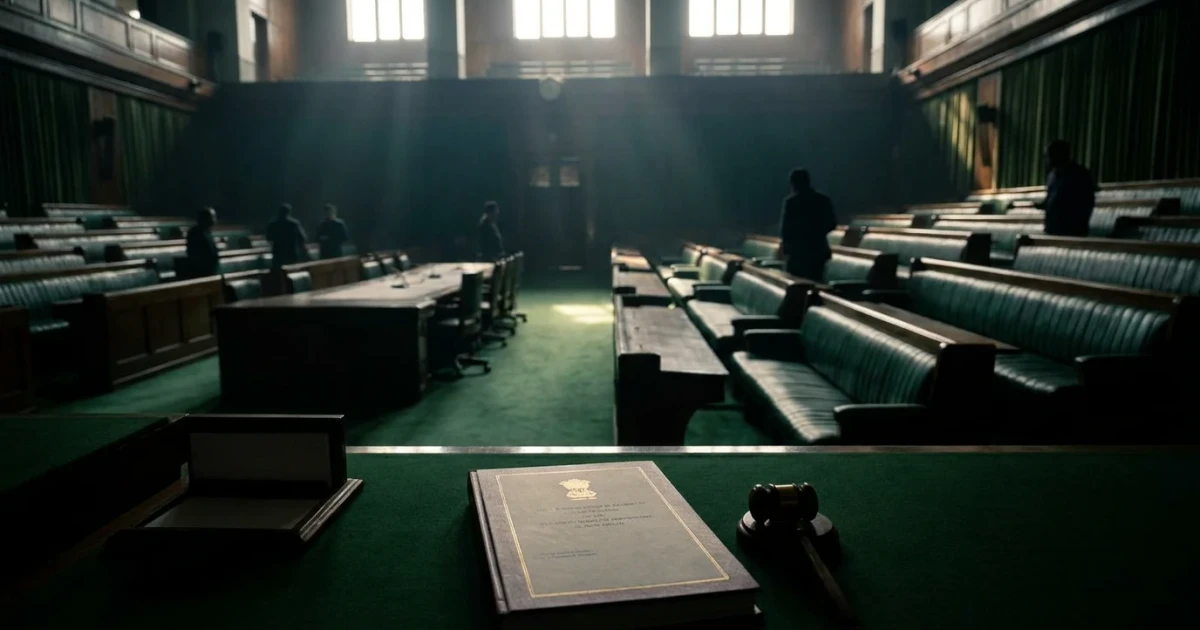
Kanimozhi, a prominent leader of the Dravida Munnetra Kazhagam (DMK), has written to the Lok Sabha Speaker requesting a separate seating arrangement for DMK members in the lower house of Parliament. The move, highlighted by The Times of India, comes amid what Kanimozhi describes as 'changed political circumstances' following the recent 2024 Lok Sabha elections.
Context Behind the Request
DMK, a key regional party from Tamil Nadu, has strengthened its presence in the Lok Sabha in recent years. After the 2024 general elections, the party's tally in Parliament has reflected its growing influence. The official party position in the Lok Sabha shows that DMK continues to be a significant opposition force, necessitating clearer distinction and representation on the parliamentary floor.
Details of the Letter and Its Implications
According to The Times of India, Kanimozhi's letter to the Speaker references the altered political environment, which includes changes in the number of DMK members and shifting alliances at the national level. The letter calls for a separate seating arrangement for DMK MPs, which is both a procedural and a symbolic step. This arrangement would allow the party to function more independently and assert its policy positions more distinctly in the Lok Sabha.
- The request follows established parliamentary norms, where parties with substantial representation can apply for dedicated seating blocks.
- DMK's demand signals its intention to emphasize its identity and legislative agenda, especially as shifts in the opposition landscape take shape.
Understanding Lok Sabha Seating Arrangements
The allocation and seating arrangement in the Lok Sabha is determined by the Speaker, based on party strength and established precedents. Parties with a significant number of seats, or those recognized as floor leaders, typically receive separate seating to facilitate coordination and visibility during debates. The Lok Sabha's official records provide details on current members and party strengths, which are key criteria for such requests.
DMK’s Role and Recent Performance
DMK’s request comes in the wake of a strong showing in Tamil Nadu, where it has maintained a leading position. Data from the Election Commission of India details the party's performance, seat count, and vote share in the 2024 elections. Historically, DMK has played a pivotal role in shaping opposition strategies and advocating for regional interests in Parliament. Analysis from PRS Legislative Research underscores DMK’s active participation and legislative contributions during the previous Lok Sabha term.
- DMK's current strength in the Lok Sabha places it among the largest non-BJP parties in the house.
- Its leaders, including Kanimozhi, have frequently spoken on issues of federalism, language rights, and state autonomy.
Looking Forward
Kanimozhi’s move is widely seen as a bid to further consolidate DMK’s parliamentary presence and assert its role as a key opposition voice. The Speaker’s response to the request is awaited, and its outcome will set a precedent for party representation and seating protocols in the 18th Lok Sabha. For readers interested in the technical details of how such decisions are made, the PRS explainer on Lok Sabha seating arrangements provides valuable background.
As the new Lok Sabha session gets underway, the way parties organize and present themselves on the floor will shape legislative debates and national policy priorities in the years ahead.