Health
Doctors Advise Patients to Reconsider These Five Common Medications
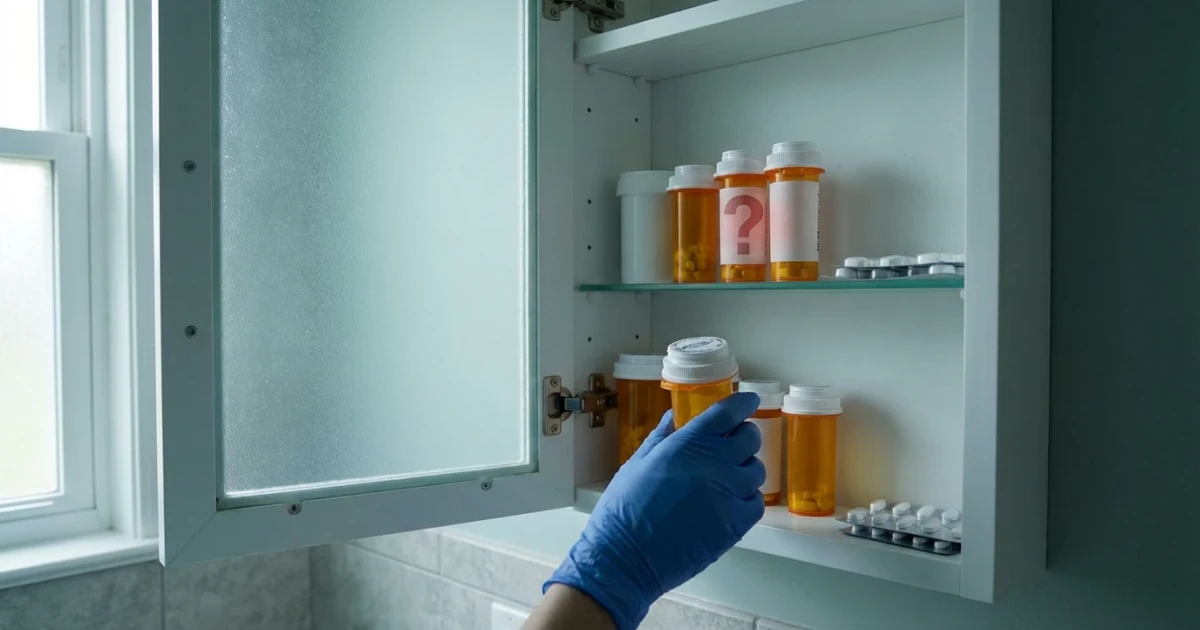
As awareness grows around medication safety, many doctors are recommending that patients take a closer look at the drugs they keep at home. A recent column in The Washington Post highlights five types of medications that physicians commonly advise patients to discard, citing concerns about safety, efficacy, and potential misuse. These recommendations align with broader public health guidance on responsible medication disposal and the importance of reviewing all prescriptions regularly.
Why Medication Reviews Matter
Keeping unnecessary, expired, or potentially harmful medications can increase the risk of adverse drug events, accidental ingestion, and even misuse. According to the Centers for Disease Control and Prevention, more than 45 percent of Americans report using at least one prescription drug in the past 30 days, with rates climbing among older adults. Regular medication reviews with a healthcare provider can help identify drugs that may no longer be needed or may interact with other prescriptions.
Five Medications Doctors Say to Remove
Drawing from The Washington Post column and corroborating public health sources, here are the five categories of medications doctors most often recommend discarding:
- Expired or Unused Opioid Painkillers: These medications pose a high risk of accidental overdose or misuse if kept in the home. The DEA National Prescription Drug Take Back Day regularly collects millions of pounds of unused opioids, reflecting the scale of the issue.
- Old Antibiotics: Taking leftover antibiotics can contribute to antibiotic resistance and may not treat new infections effectively. Experts caution against self-prescribing these drugs, as they may not be appropriate for current symptoms.
- Benzodiazepines and Sedatives (e.g., diazepam, alprazolam): These medications, prescribed for anxiety or insomnia, can lead to dependence, cognitive impairment, and falls, especially in older adults. Studies, including a systematic review on medication safety in seniors, highlight increased risks associated with prolonged use.
- Nonsteroidal Anti-Inflammatory Drugs (NSAIDs) past expiration: Medications like ibuprofen and naproxen can lose potency over time and may cause gastrointestinal or kidney side effects if used inappropriately.
- Proton Pump Inhibitors (PPIs) for heartburn or reflux used long-term without reassessment: Chronic use can lead to nutrient deficiencies and increased risk of infections. Doctors recommend periodic review of the need for PPIs, as many patients may be able to taper or discontinue these with lifestyle changes.
Safe Disposal and Responsible Use
Properly discarding unused medications is essential for both safety and environmental reasons. The FDA and BeMedWise provide detailed guidance on how to dispose of medicines safely, recommending take-back programs or following specific disposal instructions to avoid contaminating water supplies. The DEA’s biannual take-back events have successfully collected and destroyed hundreds of tons of medications each year, reducing the risk of accidental poisoning or theft.
Key Steps for Patients
- Regularly review all medications with a healthcare provider.
- Safely dispose of expired, unused, or unneeded drugs using authorized programs.
- Never share prescription medications with others.
- Store necessary medicines securely, away from children or anyone at risk of misuse.
Looking Ahead
As the landscape of prescription drug use evolves, both patients and healthcare providers play a crucial role in minimizing risks. With nearly half of the U.S. population taking at least one medication regularly, ongoing education about safe medication practices remains essential. Taking inventory of your medicine cabinet—and having an honest conversation with your doctor—can make a significant difference in long-term health and safety.